Table of Contents
While the men's World Cup final approaches on Sunday, Africa's own major football tournament has begun on home soil. The 2026 Women's Africa Cup of Nations opened today in Morocco, with twelve nations competing across three weeks for the continent's most prestigious prize in women's football. The tournament runs until August 5. Morocco are the hosts. Nigeria are the record holders with eleven titles. South Africa are the defending champions, having won WAFCON 2022 on their home soil in a tournament that announced Banyana Banyana's arrival as the continent's dominant women's football force.
Africa's premier women's football tournament heats up with a final-worthy berth between Nigeria and Zambia, the knockout phase debut of Algeria, and other contenders looking to advance, as OkayAfrica confirmed. Malawi Scorchers arrive in Morocco ahead of WAFCON debut, as Africa Top Sports confirmed. Malawi's presence in Morocco represents a historic first appearance at the tournament for the Scorchers, a qualification achievement that reflects the growing depth of women's football development across Southern and Central Africa.
The Title Race
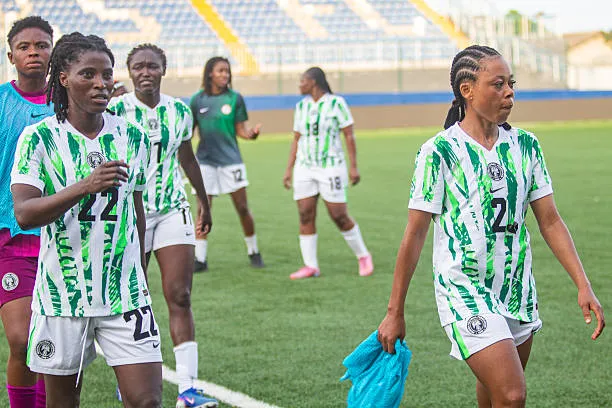
Nigeria's Super Falcons hold the all-time record with eleven WAFCON titles, the most of any nation in the competition's history. Their last title came in 2018, eight years ago. Three consecutive tournaments since then have ended without the trophy: a 2022 final defeat to South Africa on penalties, a semi-final exit in 2024 against the same opponents. The specific weight of the South Africa rivalry, which has defined WAFCON's recent history, frames Nigeria's entire campaign in Morocco. A twelfth title would be their first since the Desiree Ellis-era Banyana began consistently challenging for the trophy.
South Africa arrive as defending champions with the confidence of a programme that has been built systematically rather than assembled around individual talent. Their 2022 WAFCON victory on home soil, which included beating Nigeria on penalties in the final, was the product of a decade of SAFA investment in women's football infrastructure. The generation that won that title, Thembi Kgatlana, Hildah Magaia, and goalkeeper Andile Dlamini among the key figures, remains largely intact. Defending a WAFCON title is a different challenge from winning one: every opponent prepares for you differently, every match carries a target on the defending champion's back. Whether South Africa can navigate that additional pressure across three weeks in Morocco is the central question of the tournament.
The Hosts and the Dark Horses
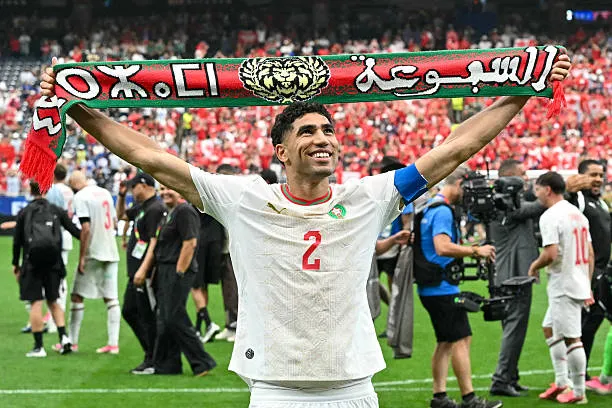
Morocco, as hosts, carry the specific pressure and advantage of playing in front of their own supporters across every group match and, if they progress, across the knockout rounds. Their programme has developed significantly since their 2022 WAFCON hosting of the men's tournament, with the investment in women's football infrastructure that accompanied the broader development of Moroccan football as a continental power. As hosts they are automatically qualified and have been preparing in conditions unavailable to their opponents. Whether that home advantage translates into a deep tournament run will be one of the storylines of the opening week.
Zambia, whose women's programme has produced one of Africa's more remarkable recent development stories, are identified by OkayAfrica as a potential semi-final opponent for Nigeria in the knockout rounds. Their qualification and performances in recent WAFCON editions have confirmed them as a side that can compete with the continent's established names. Algeria's knockout-phase debut signals the growing geographic spread of competitive women's football across North Africa. The tournament runs across three weeks to August 5 and Sport Blot will cover the key results and stories as they emerge.