Table of Contents
Four days from now the Moulay El Hassan Stadium in Rabat will host the opening match of WAFCON 2026. Morocco against Kenya, 9pm local time, under lights, in front of a home crowd that has been waiting three consecutive tournaments for the title their team has never won on Moroccan soil. Before that, at the same venue's neighbour, the Olympic Stadium, Algeria and Senegal meet at 6pm in the kind of opener that will immediately tell you how difficult this group actually is.
Group A is not a formality. Morocco are the favourites within it, and the home crowd and the infrastructure of their programme make that favouritism rational. But Senegal are the 2025 AFCON champions, having beaten Morocco 1-0 in extra time in the continental final less than twelve months ago. That result is not history. It is recent memory, and it lives in both camps.
Morocco: The Host's Weight
Jorge Vilda's squad carries experience, funding, and the psychological load of three consecutive home tournaments without a trophy. The Atlas Lionesses led Nigeria 2-0 at half time in the 2024 WAFCON final in this same city and lost 3-2. The wound is specific and documented. What Vilda has built in Morocco remains the most invested programme on the continent, and the talent pool — developed through the Mohammed VI Football Complex and academy structures that have grown through the men's success — is genuine. The question is not whether Morocco can compete. It is whether they can close.
Their opening match against Kenya is the kind of fixture where a home crowd expects a statement. Kenya's Harambee Starlets are making their WAFCON debut as competitors who qualified on merit, not as passengers. But a comfortable Morocco win on Sunday night would set the right tempo. A difficult night, or worse, would send a very different signal into the rest of the group — and Senegal, watching from the other half of the Sunday schedule, would take note immediately.
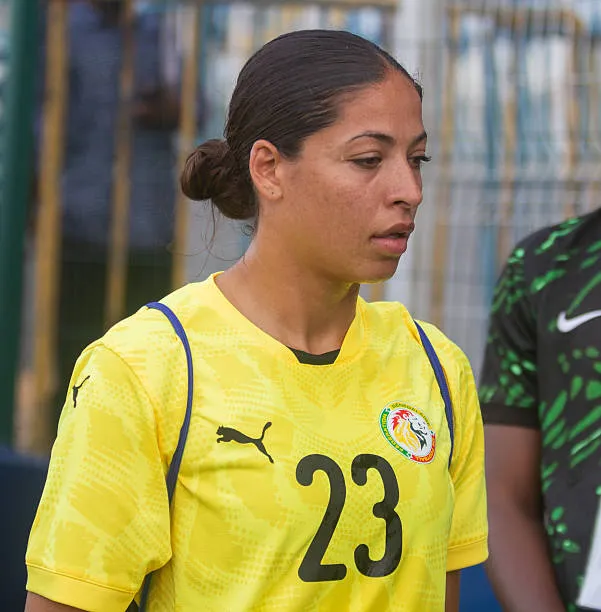
Senegal: The Champions Next Door
The Teranga Lionesses arrive at WAFCON 2026 as the form team in African women's football over the past twelve months. Aliou Cissé's women's programme has drawn on the same organisational seriousness that characterised the men's 2022 World Cup run, and the AFCON 2025 title confirmed that the investment is producing results. They open against Algeria, a side that reached this tournament but enters it as the group's fourth-ranked team by recent form. Senegal should win that match. The fixture that will define Group A is Senegal versus Morocco on August 3 — a rematch of the AFCON final, in Rabat, with a quarter-final place on the line.
Kenya and the East African Stake
For Sport Blot's East African readers, Sunday's opening fixture carries a weight that goes beyond the result. Kenya are making their WAFCON debut as a full participating nation — not a co-host, not a wildcard, but a qualified team that earned their place. The Harambee Starlets face Morocco in the opening match of the tournament, in front of a sold-out Moulay El Hassan crowd, with the full attention of African women's football on the fixture. Losing is the expected outcome. How they lose, and what they show while doing so, is the opening chapter of an East African women's football story that AFCON 2027 will continue to write. Tanzania are also in this tournament, in Group B. The region has representation. Sunday is where that representation begins in earnest.
Sport Blot will carry the full group-by-group breakdown for Groups B, C and D before the first ball is kicked on Sunday. The WAFCON 2026 schedule runs to August 16 and the final four qualify automatically for the 2027 Women's World Cup in Brazil. Every match is a qualifier. Starting Sunday.