Table of Contents
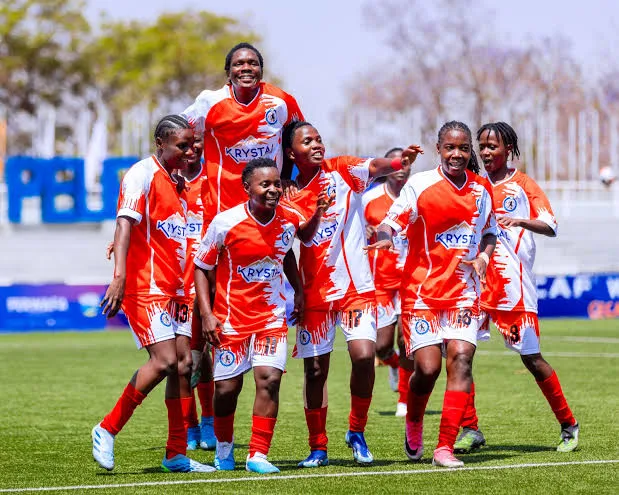
The 2026 World Cup ended on Sunday. WAFCON 2026 begins on Saturday. There is no pause, no quiet week, no reset. The football keeps going, and this time the continent is not a supporting actor in someone else's story. Morocco hosts. Nigeria defends. Sixteen teams compete in the biggest edition of the women's championship in the competition's history. The attention is overdue.
The timing matters for a reason beyond scheduling. African sides spent the last five weeks at the World Cup demonstrating that the gap to football's traditional powers has never been smaller. Cape Verde, Egypt, Morocco, DR Congo — each wrote a chapter the sport will not quickly forget. Now the women carry the baton. The top four at WAFCON 2026 earn automatic qualification for the 2027 Women's World Cup in Brazil. Every knockout match doubles as a World Cup qualifier. The stakes are not symbolic. They are structural.
Nigeria: The Machine That Does Not Stop
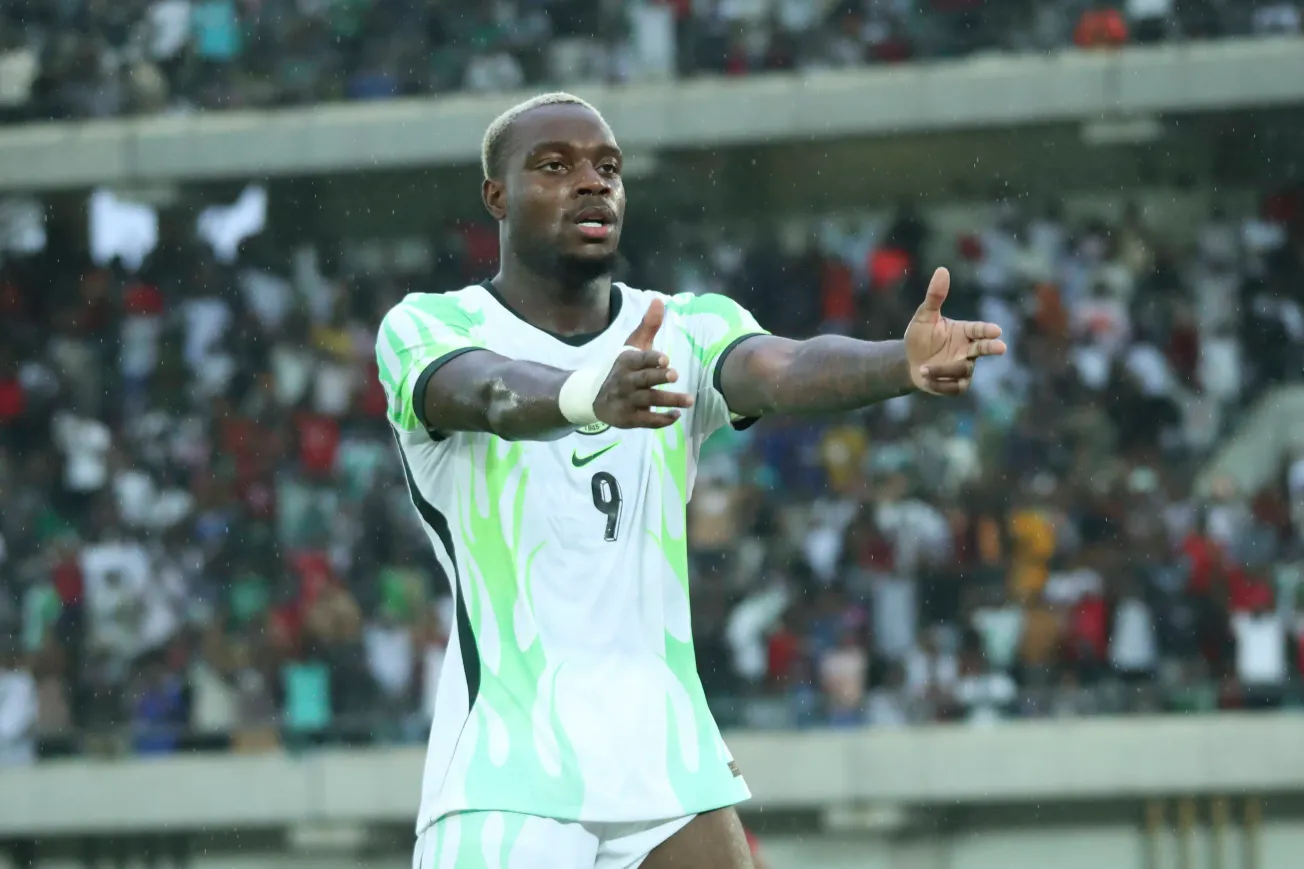
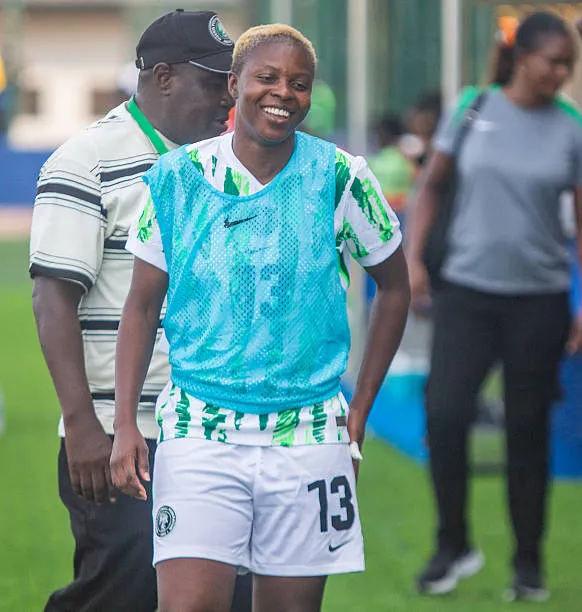
The Super Falcons are already in Morocco. Head coach Justine Madugu has named his 25-player squad, and the composition tells the story of a programme that does not rebuild — it reloads. Captain Rasheedat Ajibade leads. Chiamaka Nnadozie, the African Goalkeeper of the Year, starts between the posts. Asisat Oshoala, six-time African Women's Player of the Year, provides the attacking weight alongside Gift Monday and Uchenna Kanu, both recalled after missing the previous edition.
Nigeria are in Group C alongside Egypt, Zambia and tournament debutants Malawi. They open on Tuesday July 28 against Malawi at the Al Madina Stadium in Rabat — the first senior competitive meeting between the two nations. The group has edge beyond the opener. Zambia beat Nigeria in the third-place playoff at the last WAFCON, and Egypt arrive with the growing ambition of a programme that has watched the men's side compete deep into a World Cup. An eleventh title is the mission. This group will not gift it.
Morocco: The Wound and the Home Crowd
The Atlas Lionesses have not won the tournament they have now hosted three consecutive times. The 2024 final remains the defining scar. Morocco led Nigeria 2-0 at half time on home soil and lost 3-2. Jorge Vilda's squad for this edition carries the core of that defeated group, reinforced by the infrastructure investment that has made Morocco the most funded women's programme on the continent.
They open Saturday July 26 against Kenya at the Moulay El Hassan Stadium in Rabat — the same city where Nigeria will play their group games. A draw pairing Morocco and the Super Falcons before the final is entirely possible, and the home crowd will be watching that half of the bracket from the moment the groups are navigated. A third consecutive tournament without a title, in front of Moroccan fans, would be the harshest verdict yet on a programme that has every resource except the trophy.
The Wider Field
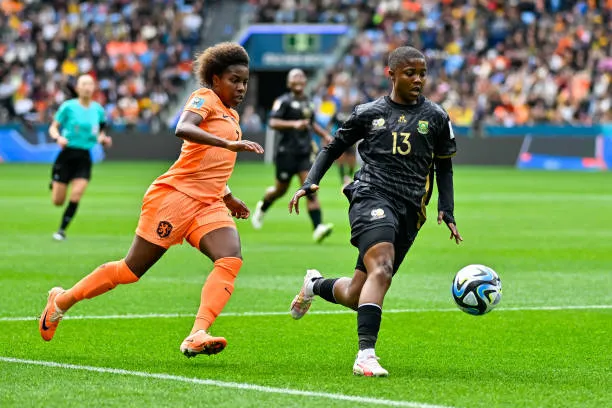
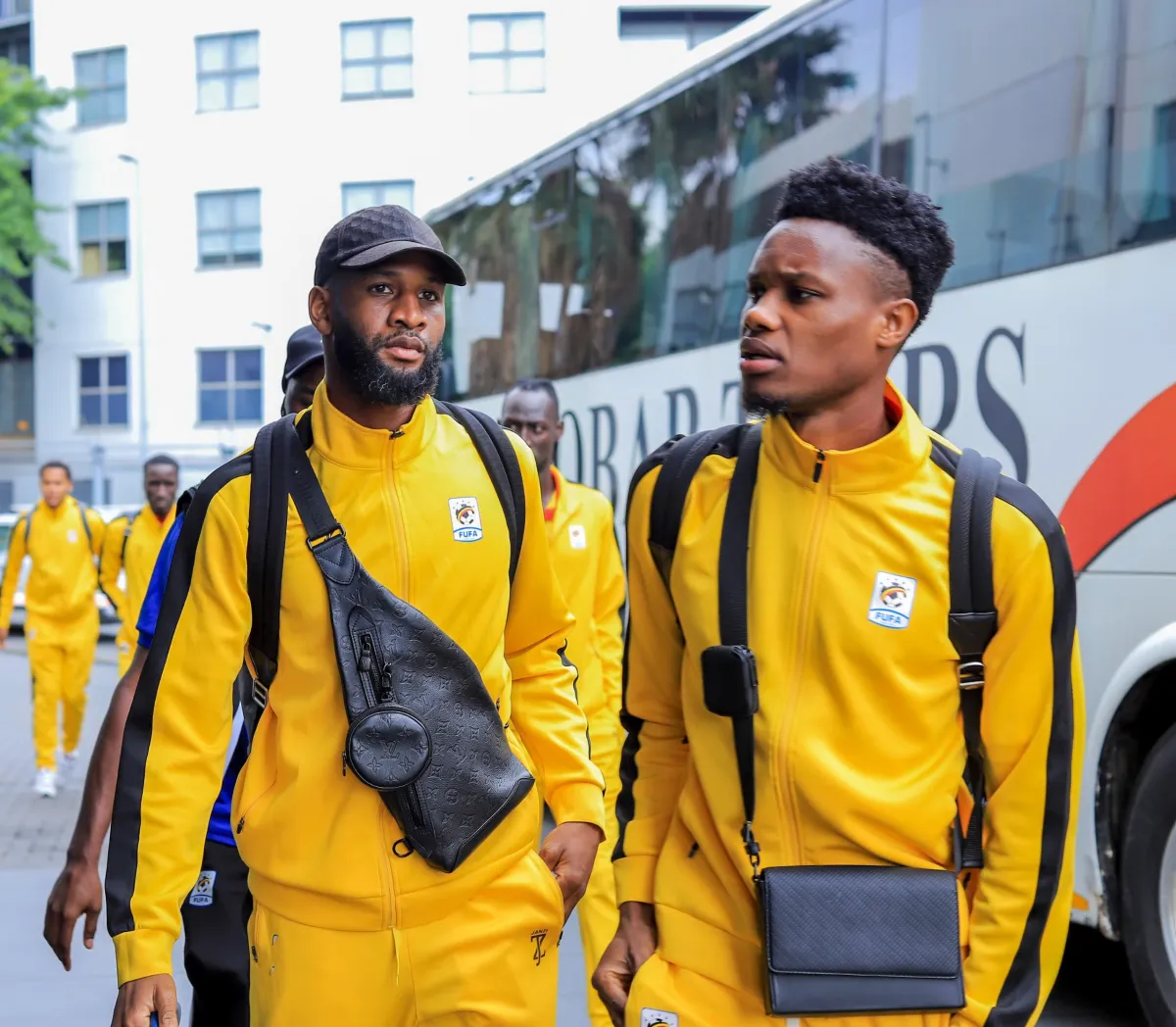
Malawi make their first-ever WAFCON appearance. The Scorchers have arrived in Mohammedia and begin against Nigeria on July 28 — a fixture designed to test resolve more than deliver points. But their presence is the point. The expansion to 16 teams brought four first-time qualifiers to Morocco. South Africa, Zambia, Cameroon and Senegal each carry genuine knockout ambitions. Tanzania are in the field too, part of a growing East African contingent for whom every continental appearance feeds the co-hosting momentum building toward AFCON 2027 in Kenya, Tanzania and Uganda.
The expanded bracket demands one more survival act from every contender than previous editions required. The quarter-final stage is new territory for teams that previously peaked in the last eight of a twelve-team field. Sport Blot will carry the full group-by-group breakdown before Saturday's opening whistle in Rabat.