Table of Contents
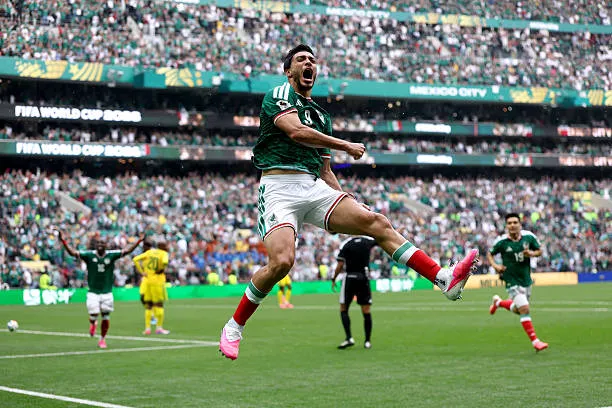
When Themba Zwane received his red card in the 84th minute of South Africa's 2-0 loss to Mexico on Thursday, the reaction across West African social media was not sympathy. GhanaSoccernet captured the sentiment directly in a headline published hours after the final whistle: "Why West Africa Rejoiced Over South Africa's Meltdown in Mexico." The article was shared widely. The comments beneath it were not gentle.
This publication wrote yesterday about why much of the African continent was not behind Bafana Bafana heading into the World Cup. The xenophobic violence against West and East African nationals in South Africa in the months before the tournament, the evacuations by Ghana, Nigeria, Mozambique, and others, the long pattern of anti-migrant hostility that predates 2026 by nearly two decades. What happened on social media after Thursday's match was not spontaneous. It was the expression of an accumulated grievance that football has not healed and that a single tournament cannot resolve.
What "Rejoicing" Actually Looked Like
The social media reaction from West Africa after the Mexico match was specific rather than generalised. Ghanaian and Senegalese accounts posted edits of the red card moments set to music. Nigerian Twitter, which has had its own fraught relationship with South Africa following the 2019 xenophobic attacks that prompted Nigerians to boycott South African businesses and the government to issue formal protests, produced memes that circulated for hours. The tone was less triumphalist than pointed. The message, running beneath the jokes, was consistent: you opened the World Cup and embarrassed yourselves, and we watched and felt nothing for you.
That sentiment is uncomfortable to write about in a football publication because football is supposed to transcend these divisions. The idea of the Africa Cup of Nations, the continental solidarity that produces scenes of Moroccan, Senegalese, and Algerian fans supporting each other in the stands at AFCON, the pride that swept the continent when Morocco reached the World Cup semi-final in 2022 — all of that is real. But it has limits. And the limit, for many West Africans, is South Africa.
The 17-Year-Old Who Scored for Mexico
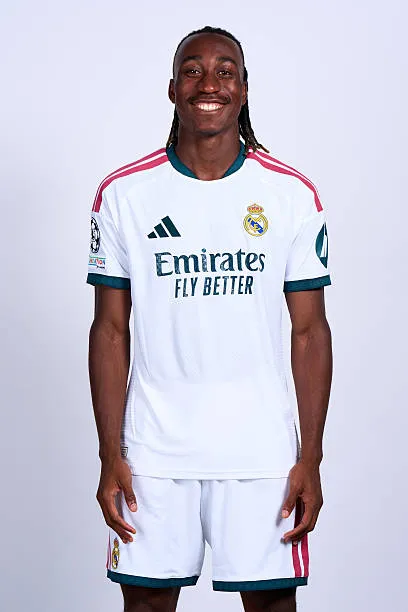
One detail from Thursday's match added a specific layer to the West African reaction that went beyond the xenophobia narrative. The second Mexican goal came from a substitute named Gilberto Mora, 17 years old, who became the youngest goalscorer in the history of a World Cup opening match. GhanaSoccernet's headline noted this explicitly: "17-year-old Gilberto Mora makes history as Mexico beat South Africa." The implication, unstated but widely understood, was that South Africa's defence had been carved open by a teenager in the most watched football match of the year. The combination of the scoreline, the red cards, and the manner of the second goal gave West African supporters an entirely complete narrative to enjoy.
Hugo Broos responded in the post-match press conference with the same steadiness he has maintained throughout the campaign. He told reporters his team played well despite the defeat and that the squad would recover and compete in the remaining group matches. He was not wrong about the performance before the red cards. The team was organised and creditable until the disciplinary collapse in the final twenty minutes. None of that changed the scoreline. None of it changed what was happening on social media in Lagos and Accra and Dakar while the Mexican players were celebrating on the Azteca turf.
What This Tells African Football
The reaction to South Africa's opening match defeat is not primarily a football story. It is a story about what happens when a nation's domestic politics poisons its relationship with its neighbours for long enough. South African football is not responsible for Operation Dudula. The Bafana players did not attack anyone in Johannesburg. But institutions, like nations, carry the weight of their wider contexts whether or not the individuals within them deserve to carry it.
The African Union Commission chair wished all ten African nations success at this World Cup in a statement on June 10. That institutional solidarity exists. The players from the other nine nations will not play against South Africa in this tournament, and if any of them are asked about xenophobia in a press conference, they will likely give diplomatic non-answers. But the reaction on Thursday night told you what the relationship actually is when no one is being diplomatic. South Africa have two group matches left. They need results. Whether the rest of Africa is watching them is no longer the question. The question is whether the rest of Africa is watching for them.