Table of Contents
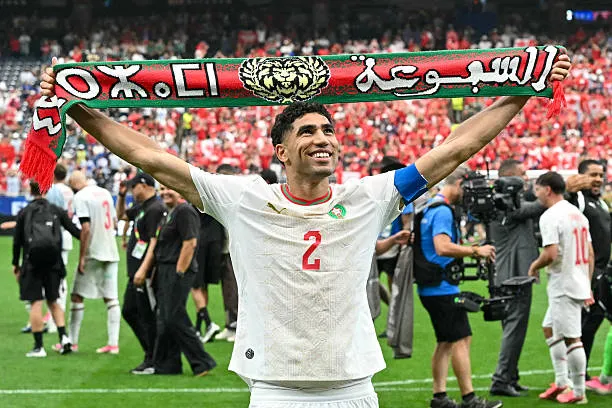
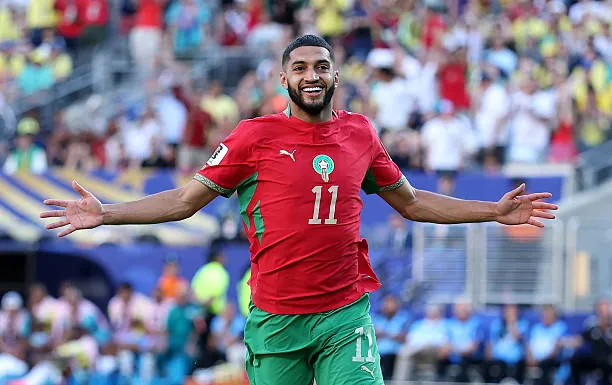
Morocco face Scotland in Boston today carrying the weight of being the African nation with the clearest pathway to the knockout stage after the opening round of group matches. Their 1-1 draw with Brazil at the MetLife Stadium last week, secured through Hakimi's second-half penalty and four crucial saves from Yassine Bono, left them top of Group C on goal difference. A win against Scotland today would put them on four points with one match remaining, needing only a point against Haiti to guarantee their place in the round of 32.
The broader context of this fixture sits within a longer story of African football's gradual advance at the World Cup. Egypt made the continent's first appearance in 1934. Tunisia won the first African match in 1978. Cameroon opened the quarter-final door in 1990. Senegal reached the last eight in 2002. Morocco reached the semi-finals in 2022. Each generation has pushed the ceiling one stage further. Ouahbi's squad, inheriting that history with three months' notice after Walid Regragui's resignation following the AFCON 2025 final controversy, has stated its ambition without ambiguity: go further than 2022 means reaching at least the final.
Why This Match Matters Beyond Morocco
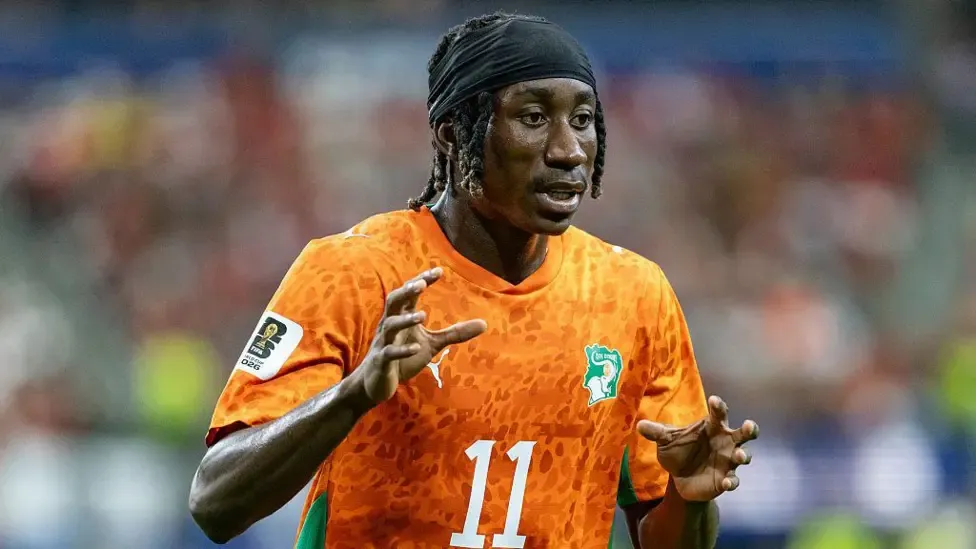
A positive result for Morocco today does more than advance their own campaign. It sets a marker for the rest of the African contingent navigating their second group matches this week. Senegal face Iraq, ranked 58th in the world, in a fixture that represents their clearest opportunity to recover from the opening defeat to France. Ivory Coast face Germany, who scored seven goals in their own opening match, in a fixture that will announce this generation of the Elephants in a way no previous Ivorian side has managed if they can produce a positive result. Morocco going first, and going well, establishes the tone for what African football is capable of in this round of fixtures.
Ouahbi's achievement in simply reaching this point deserves recognition on its own terms. Appointed with three months to prepare a World Cup campaign after leading Morocco's under-20 side to the U-20 World Cup title in Chile in October 2025, he guided the senior squad to eight wins from eight qualifying matches before opening this tournament with a result against Brazil that exceeded most external expectations. The squad continuity from 2022, Hakimi, Bono, Amrabat, Diaz, Saibari, gives him a foundation that a less experienced group would not provide. The tactical adjustments are his own. The result so far validates them.
What Scotland Bring
Scotland arrive at this match having beaten Haiti 1-0 in their opening fixture, a result that puts them level with Morocco and Brazil at the top of Group C after one round. Their return to the World Cup after nearly three decades away has been one of the genuine feel-good stories of the tournament's opening week, with their travelling support, the Tartan Army, having brought the kind of colour and noise to Boston that has been widely covered across American sports media. Steve Clarke's side are well organised defensively and will not be an easy opponent for Morocco to break down, even with the talent advantage Ouahbi's squad carries into the match.
Morocco without Aguerd and Ezzalzouli, both ruled out before the tournament with injuries, have shown across the Brazil match that their depth can compensate for individual absences. Issa Diop and Chadi Riad organised the defensive line competently against Vinicius Junior and Brazil's attacking talent. Whether that holds against a Scotland side built on different principles, more direct, more physical, less reliant on individual technical quality, is the tactical question this match poses. Kickoff is at Gillette Stadium today. A positive result moves Morocco to the brink of the knockout stage and gives African football its clearest statement yet that 2022 was the beginning of something rather than a single extraordinary tournament.