Table of Contents
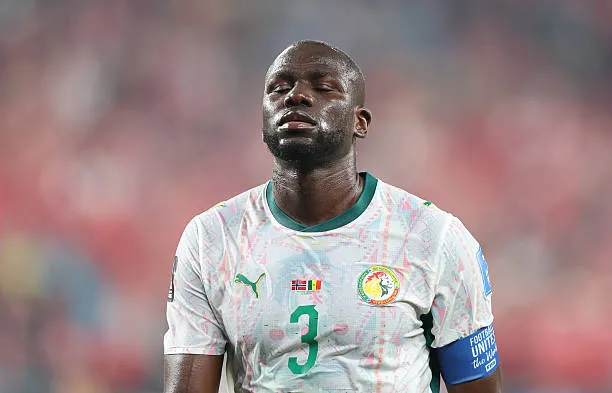
Kalidou Koulibaly has said this is his last World Cup. He said it before the tournament began, when the squad assembled in Dakar and the AFCON dispute was still raw in the background. He said it again during the group stage, when Senegal competed with France and Norway across two matches and came away with nothing despite being the better side for long stretches of both. He is 35 years old. This afternoon at Lumen Field in Seattle, against a Belgium side that has more than enough to eliminate them, is potentially his last appearance in a World Cup knockout match.
Senegal qualified for today's fixture as one of the best third-placed teams after their 5-0 win over Iraq in the final group match restored their goal difference and earned them passage. The path to this match was more painful than the final group-stage result suggested: Ismaila Sarr's open goal miss against France, the post that Jackson hit against Norway before Haaland produced his first winner, two winnable matches dropped because of finishing failures rather than defensive weakness or tactical deficiencies. The pattern has been consistent across this tournament. Senegal create. Senegal do not convert. Today, in a knockout match, conversion is the only measure that matters.
What Belgium Bring
Belgium are a well-structured side under Domenico Tedesco, built around Kevin De Bruyne's ability to unlock defences from deep and Romelu Lukaku's specific threat in and around the penalty area. Lukaku has started all three of Belgium's group matches and has been involved in several of their decisive moments, a contrast with the 2018 and 2022 tournaments where his role was more limited. He is 33, physically imposing, and against a Senegalese defensive line organised around Koulibaly and Saliou Ciss, represents a direct aerial and physical challenge that requires constant attention.
De Bruyne, who turns 35 next month, is likely playing his own final World Cup and will know it. The specific threat he creates through his range of passing, particularly finding runs in behind from deep free-kick and corner positions, gave Senegal's group-stage opponents genuine trouble whenever they attempted a similar style. Senegal's midfield, with Pape Gueye and Idrissa Gana Gueye providing cover and Cheikhou Kouyate marshalling in the deeper zones, has been functional without being dominant. Against De Bruyne, functional is probably not sufficient.
Why Senegal Can Win
The case for Senegal, beyond the general quality this squad has demonstrated across two competitive performances in the group stage, is specific. Their conversion rate against Iraq in the 5-0 win, when every player who created a chance finished it, showed that the clinical edge is present and available. The question is whether the psychological pressure of a knockout match against European opposition reproduces the Iraq performance or the France and Norway performances, where the same squad in the same two weeks could not put the ball in the net when it most needed to go in.
Sarr, who scored twice against Norway and missed the open goal against France, is the player whose form most directly determines the result. If he arrives at today's match with the confidence of the Norway double rather than the weight of the French miss, Senegal have a forward capable of hurting Belgium. Jackson's pace and movement in behind Belgium's defensive line gives Pape Thiaw's side a counter-attacking option that De Bruyne's high positioning does not naturally defend against. Mane, at 34, provides the tournament experience that Belgium cannot easily account for.
Koulibaly leads this group. He has marshalled every defensive moment across this tournament with the authority that has defined a career built at Napoli and Chelsea. Whether today is his final World Cup match or the beginning of a knockout run that extends his farewell beyond Lumen Field, Seattle will decide. Kickoff at 16h00 ET, 22h00 South Africa time.