Table of Contents
Algeria last appeared at a World Cup in 2014 in Brazil, where they reached the round of 16 before losing 2-1 to Germany in extra time in Porto Alegre. That remains the high point of Algerian football at the global level. Twelve years later, under Swiss coach Vladimir Petkovic, they return to a tournament that has expanded enough to allow them entry and a group that gives them a genuine chance to reach the knockout stage for the second time in their history. Whether they do it depends on a tactical approach that Petkovic has spent 18 months building and that Foot Africa's exclusive access to their first training session this week revealed in specific detail.
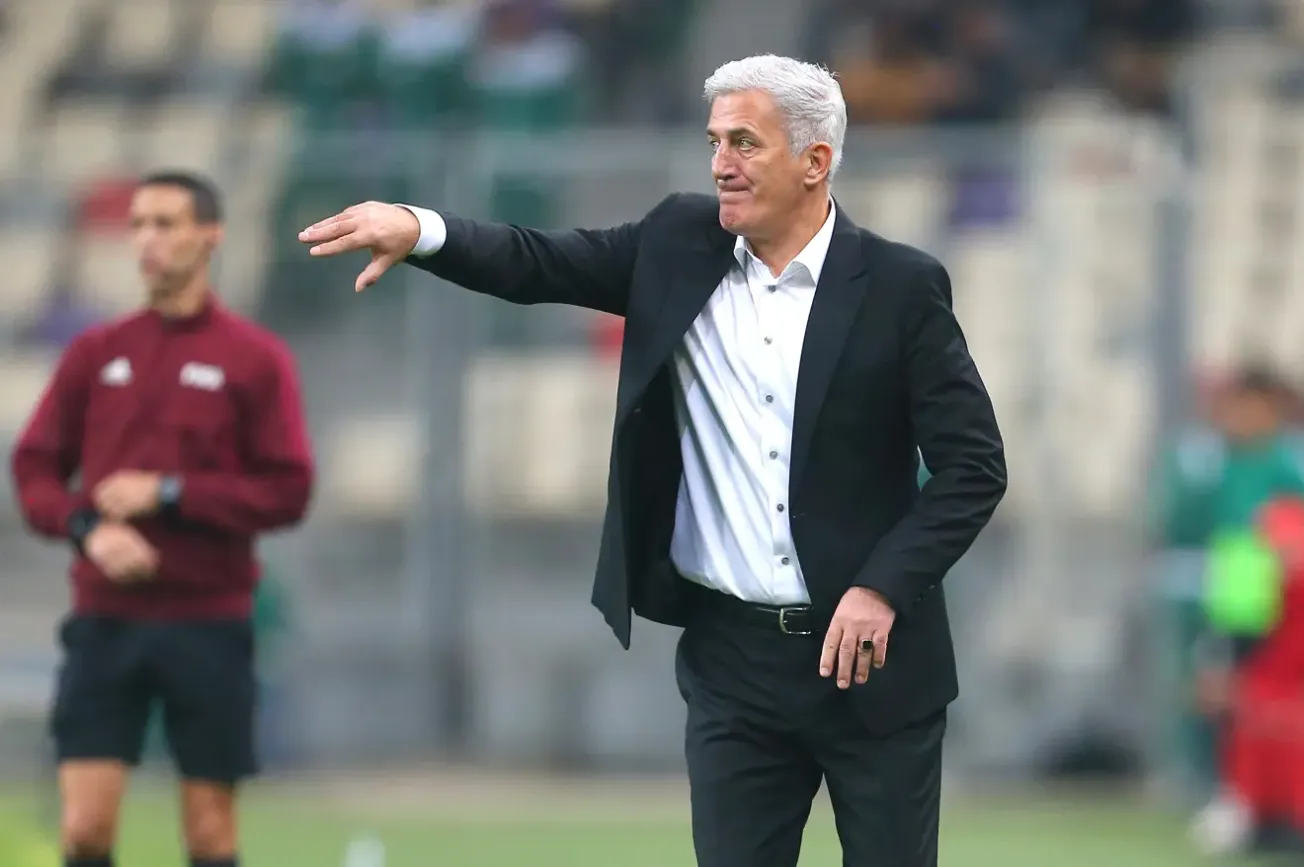
Petkovic, who led Switzerland to the 2018 World Cup and spent seven years with the national side, has brought a possession-based philosophy to Algeria that represents a departure from Djamel Belmadi's more direct approach. As Goal.com confirmed in their squad analysis, Petkovic's system is built on technical proficiency and ball control, recognising the qualities of players like Amine Gouiri, Rayan Ait-Nouri, and Fares Chaib as the primary assets to exploit. The idea is to starve the opposition of the ball, control the tempo, and create from sustained pressure rather than from transitions.
The Key Players and Their Status
Two significant fitness concerns were resolved at this week's training session. Luca Zidane, the goalkeeper who plays for Granada in Spain's second division, returned to camp after missing Granada's final match of the season on April 26. Ramy Bensebaini, the Borussia Dortmund left-back who is one of the most important players in Petkovic's system, missed the club's last three fixtures with an ankle injury. Both were back in training in Rabat this week, as confirmed by Foot Africa's inside access, providing significant relief to the coaching staff ahead of the June 17 opener against Jordan.
Bensebaini is central to how Algeria play. His ability to carry the ball from deep, combine with Ait-Nouri in wide areas, and provide an attacking dimension from left-back gives Petkovic's possession system its forward momentum. Without him, Algeria are a more predictable side. His return to fitness is the single most important piece of news from this week's camp. Mohamed Amine Boudaoui, who has 32 caps and three assists for Algeria, provides the defensive engine in midfield that allows the more technical players to operate freely.
Group J: The Path and the Problem
Algeria's group places them alongside Argentina, Austria, and Jordan. The path is clear: beat Jordan in the opener, take points from Austria, and survive the Argentina match without a heavy defeat. Jordan are ranked significantly below Algeria and represent the three points that would effectively secure progression. Austria, under their current setup, are organised and hard to break down but not beyond Algeria's capabilities at their best. Argentina, with or without Lionel Messi, are the tournament's defending champions and a different category of opponent.
Algeria have reached the knockout stage in just one of their five previous World Cup appearances, in 2014. Their three other appearances, in 1982, 1986, and 2010, all produced group-stage exits. The 1982 exit was particularly controversial, decided by an infamous match between West Germany and Austria that has since led FIFA to introduce simultaneous final group-stage matches. The historical record is the background to a team that carries genuine talent and a system built for sustained pressure. Whether Petkovic's possession approach translates to decisive attacking penetration against World Cup-level defences is the question that matters most. Algeria have the tools to answer it. Group J will determine whether they do.