Table of Contents
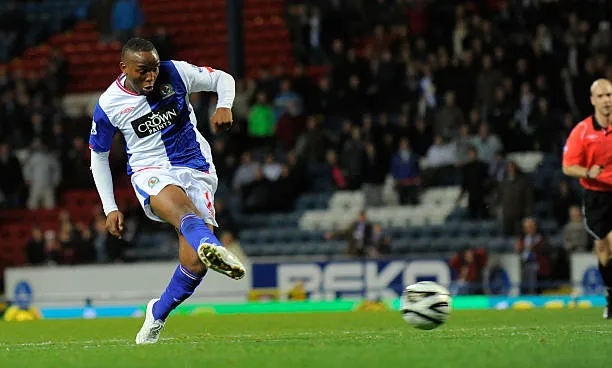
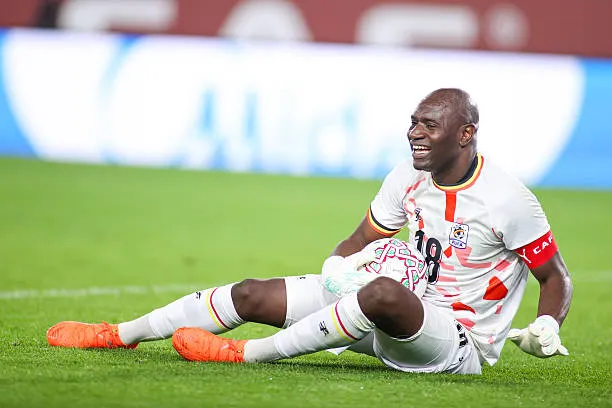
Denis Masinde Onyango signed for Mamelodi Sundowns in July 2011 for a reported fee of 225,000 euros, arriving from Mpumalanga Black Aces as a 26-year-old who had spent four years at SuperSport United in the PSL and one difficult season at Black Aces following their relegation. He was not a headline signing. He was a capable goalkeeper with a solid record in South African football who needed a stable club environment to find out how good he could actually become. Sundowns gave him that environment. Fifteen years later, at 41 years old, he is still there. He has won twelve PSL titles, the CAF Champions League, the CAF Super Cup, the African Football League, three Nedbank Cups and the MTN8. He has been ranked the tenth best goalkeeper in the world. He has set the PSL clean sheet record for a single season. He is the most decorated footballer in the history of Ugandan sport. He arrived for 225,000 euros. No valuation could capture what he became.
Kampala and the Road to South Africa
Onyango was born on May 15, 1985, in Kampala. He came through the youth structures of Sharing Nsambya before joining SC Villa, Uganda's most historically successful club, where he made his senior debut in 2004 and helped them win the Ugandan Premier League. The league title was enough to attract the attention of Saint George SC in Ethiopia, where he spent one season in 2005-06 and won the Ethiopian Premier League. The Ethiopian move was unusual for a young Ugandan goalkeeper, and the willingness to leave a familiar environment for an unfamiliar continental market at 20 years old is the first clear signal of the professional ambition that would define the rest of his career.
SuperSport United in South Africa signed him in 2006. He spent four years at Pretoria making his name in one of African football's most competitive domestic leagues. Three PSL titles at SuperSport established his reputation as a goalkeeper of genuine top-division quality. When Mpumalanga Black Aces were relegated and the stability he needed was gone, Sundowns moved. The 225,000 euro fee was modest. The decision was transformative for both player and club. Sundowns in 2011 were building something under a new technical direction that would eventually produce the most dominant domestic run in South African football history. Onyango arrived at exactly the right moment. He would go on to define a significant portion of what that dominance looked like between the posts.
Sundowns, Mosimane and the Champions League Year
The period under Pitso Mosimane, from 2012 onwards, is where Onyango's legacy was constructed in its most permanent form. Mosimane built Sundowns into a continental force through tactical organisation, relentless professionalism and the kind of collective identity that turned individually talented players into a genuinely great team. Onyango was central to that identity. His distribution, communication, aerial authority and the calm he transmitted to defenders under pressure were not qualities coaches could manufacture. They were qualities Onyango had developed across ten years of professional football and that Sundowns used as the platform on which their defensive structures were built.
The 2016 CAF Champions League campaign was the culmination of that construction. Sundowns beat Zamalek 3-1 on aggregate across two legs to win the title, the first and only time a South African club had won the competition since Orlando Pirates in 1995. The first leg, at the Lucas Moripe Stadium in Pretoria, finished 3-0. Onyango was commanding throughout, his distribution initiating several of the attacking sequences that produced the goals. In the second leg in Alexandria, he left the field injured in the 28th minute, replaced by Wayne Sandilands, but Sundowns held on through the second half to win 3-1 on aggregate. The trophy was theirs. As CAF Champions, Sundowns represented Africa at the 2016 FIFA Club World Cup in Japan, where they faced Real Madrid in the semi-final. Onyango was in goal at Toyota Stadium in Nagoya. That match, and that occasion, remains the furthest any Ugandan footballer has ever gone in a senior club competition.
The Individual Honour and the World Ranking
In 2016, Onyango was named the CAF African-based Player of the Year, the award given to the best performer among players competing in African leagues rather than in Europe. The significance of a goalkeeper winning that award, in a continent where forward players and creative midfielders typically dominate individual recognition, reflected the scale of what he had produced across the Champions League campaign and the domestic season. In the same year, the International Federation of Football History and Statistics ranked him the tenth best goalkeeper in the world. The list placed him in the company of Manuel Neuer, Jan Oblak, Gianluigi Buffon and Hugo Lloris. The goalkeeper who had arrived at Sundowns for 225,000 euros was being assessed against the best in the world and placed inside the top ten.
The PSL records that followed confirmed the sustained excellence. In the 2020-21 DStv Premiership season, Onyango set the league record with 17 clean sheets. He became the first player to lift the PSL title on nine separate occasions when Sundowns won in the 2021-22 season, breaking the record held by his former teammate Hlompho Kekana. He has extended that record to twelve titles across his time in South African football, three at SuperSport and nine at Sundowns. No player in PSL history has won more.
Uganda, Retirement and the Return
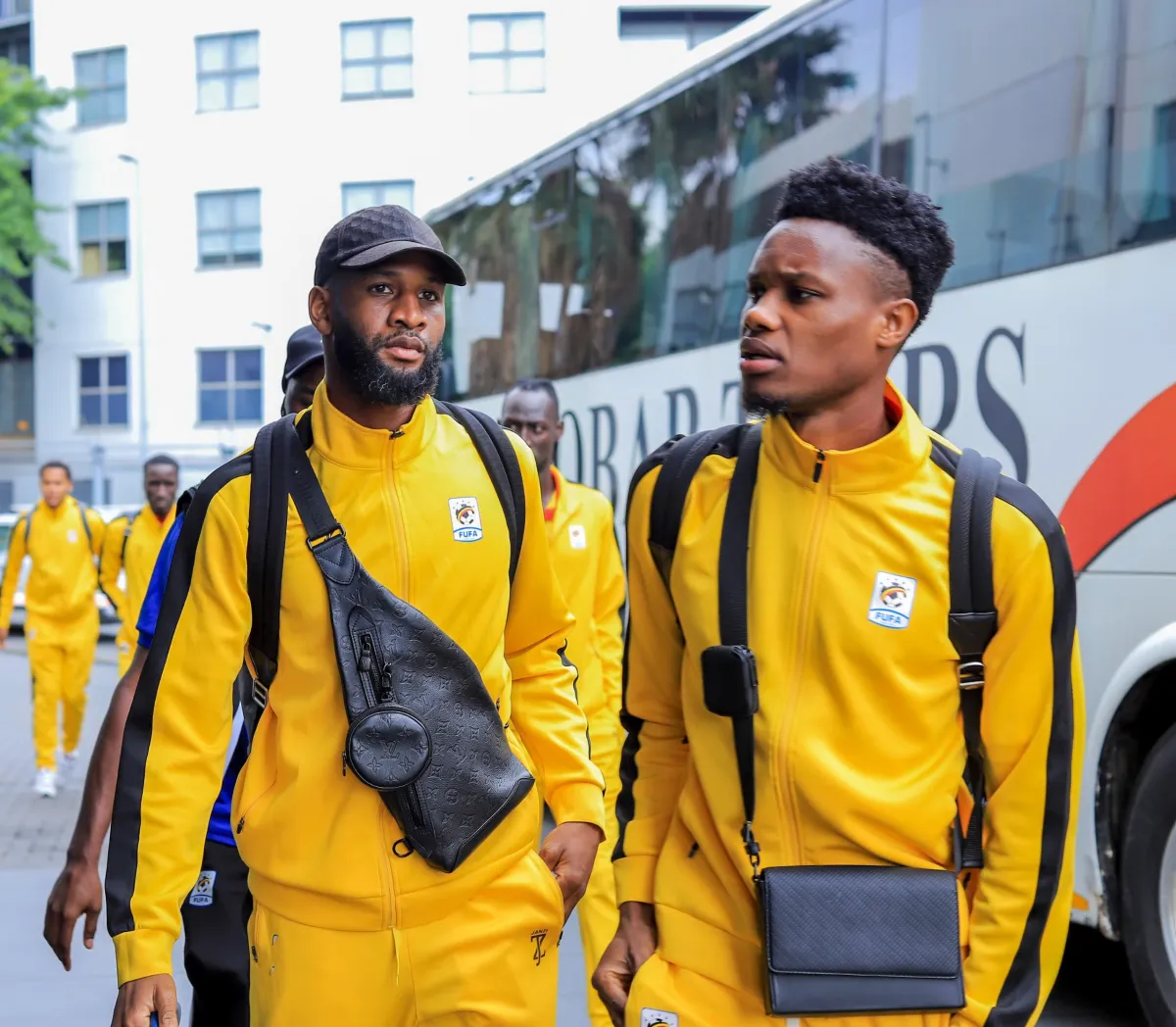
Onyango made his international debut for Uganda on June 18, 2005, in a World Cup qualifying match against Cape Verde. He represented the Cranes for sixteen years across two distinct periods, the first running to 2021 and the second beginning in August 2025 when he came out of retirement at the request of head coach Paul Put. He helped Uganda qualify for the 2017 AFCON, their first continental championship appearance in 38 years, conceding only two goals in six qualifying matches. He became captain in April 2017. He appeared at the AFCON in Gabon and at the 2025 AFCON in Morocco, the latter coming after his return from international retirement at 40 years old. By his return, Allan Okello, his Young Africans and Uganda teammate, told ESPN that Onyango's presence in the camp was having a significant positive impact on the younger players. Denis has been so helpful and amazing as a leader for us, Okello said. He has been so helpful for those of us who are still learning.
Uganda's head coach Paul Put was explicit about why Onyango was recalled. He is not wearing the captain's armband, Put said, but he is the captain in the dressing room. He is a player who is respected by all of the players, who can communicate with the group, motivate the group, and do a little bit of coaching work as well. The federation's plan is for Onyango to transition into a coaching role within the Uganda national setup when his playing days are done. At 41, those days are not done yet. He is still on Sundowns' books. He extended his stay ahead of the 2026-27 season. Kennedy Mweene, Sundowns' goalkeeper coach and himself just five months older than Onyango, has confirmed a tailored training programme to manage his age. The plan is continuation. The record is already written. Twelve PSL titles. One CAF Champions League. One FIFA Club World Cup appearance. The most decorated Ugandan athlete in the history of sport.
What He Leaves Behind
The argument for Denis Onyango's place among Africa's greatest footballers is not built on Ballon d'Or nominations or transfer fees paid by European clubs. It is built on consistency, longevity and the accumulation of collective honours at a level that no goalkeeper in the history of African domestic football has approached. He won his first PSL title in 2006 at SuperSport. He is still winning them at Sundowns in 2026. Twenty years of professional football, twelve league championships, a continent won, a world seen from a Club World Cup semi-final in Japan, and a country carried to its first AFCON in 38 years. The boy from Kampala who left Uganda for Ethiopia at twenty years old, then South Africa, then the world, is still standing. Still going. Still the captain in the dressing room, even when someone else wears the armband.