Table of Contents
Harry Kane won the 2026 Ballon d'Or. The Bayern Munich and England striker beat Kylian Mbappe, Lamine Yamal, and Rodri to the award, ending a career-long wait for the game's most individual honour. Kane has never won a major club trophy. Now he has this.
The ceremony in Paris confirmed what the 30-man shortlist had already suggested: Europe's club season and the 2026 World Cup dominated the voting. African players were present. Two men made the top 15. One woman made the top 10. And the full picture -- when you map every African name against the global standings -- tells a story the continent should read carefully.
Here is that story.
The Men's List: Two Africans in the Top 15
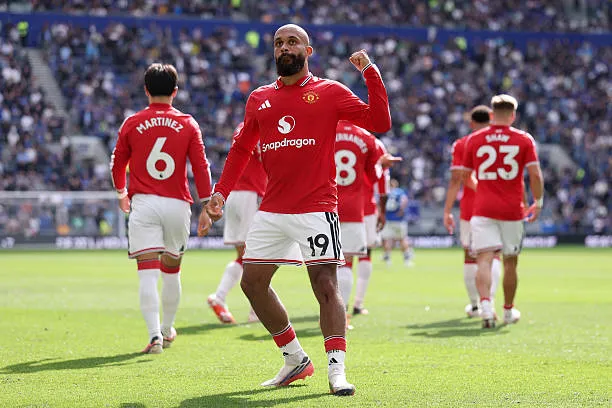
The men's top 30 contained three African players. Two finished inside the top 15. The highest-placed was Achraf Hakimi of Paris Saint-Germain and Morocco, who came 13th worldwide. Below him, Sadio Mane of Al Nassr and Senegal placed joint 29th. Mohamed Salah, Ademola Lookman, Omar Marmoush, and Serhou Guirassy did not place in the top 30.
The absence of Salah from the top 30 is the headline. The Liverpool forward has been one of the best players in European football for a decade. He scored 29 league goals in 2025-26, won a league title, and has been one of two or three contenders for the award in most years since 2018. That he did not make the shortlist this year – or made it but finished outside the counted positions – reflects a voting process that rewards World Cup performance heavily in World Cup years. England were World Cup finalists. Egypt were not.
2. Sadio Mane (Senegal) -- 29th in the World
Mane's joint 29th place confirms that he remains in the global conversation even at 34 years old and playing in the Saudi Pro League. His 2025-26 season at Al Nassr was statistically excellent -- 22 goals and 14 assists -- but the voting reflects the diminished profile that comes with playing outside Europe's top five leagues. The voters see him less. The goals are less discussed. The football is less televised.
He won AFCON 2022 with Senegal and led them to the World Cup round of sixteen in 2026. That international record, combined with his Al Nassr numbers, was enough to keep him in the 30. It was not enough to push him higher. His peak Ballon d'Or finish was fifth in 2022. That year feels like a different era now.
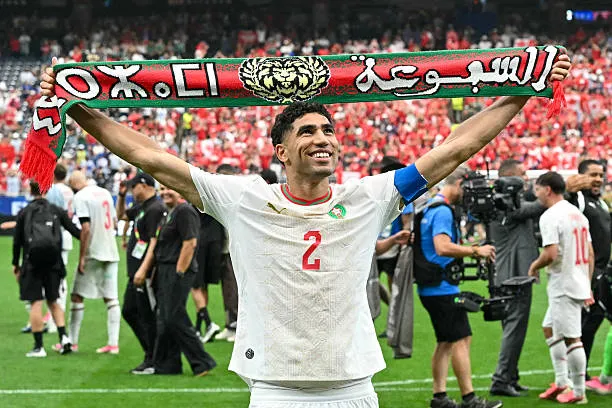
1. Achraf Hakimi (Morocco) -- 13th in the World
Hakimi's 13th-place finish is the highest a Moroccan player has ever placed in the Ballon d'Or. He finished above Jude Bellingham, above Vinicius Junior, above Lautaro Martinez. The PSG right back was arguably the best fullback in the world across the 2025-26 season: consistent in Ligue 1, transformative in the Champions League, central to Morocco's deep run at the 2026 World Cup. Morocco reached the quarterfinals in the United States, Canada and Mexico. Hakimi was their best player. That is the reason for the ranking.
He is 27 years old. If Morocco continue to improve and PSG compete for European honours, Hakimi has time to go higher than 13th. His ceiling on this list has not been reached.
The Africans Who Did Not Place
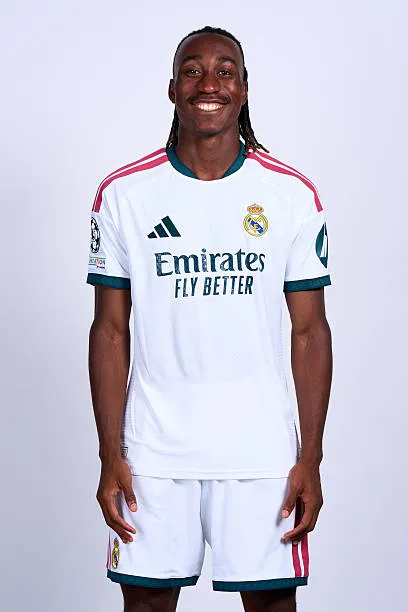
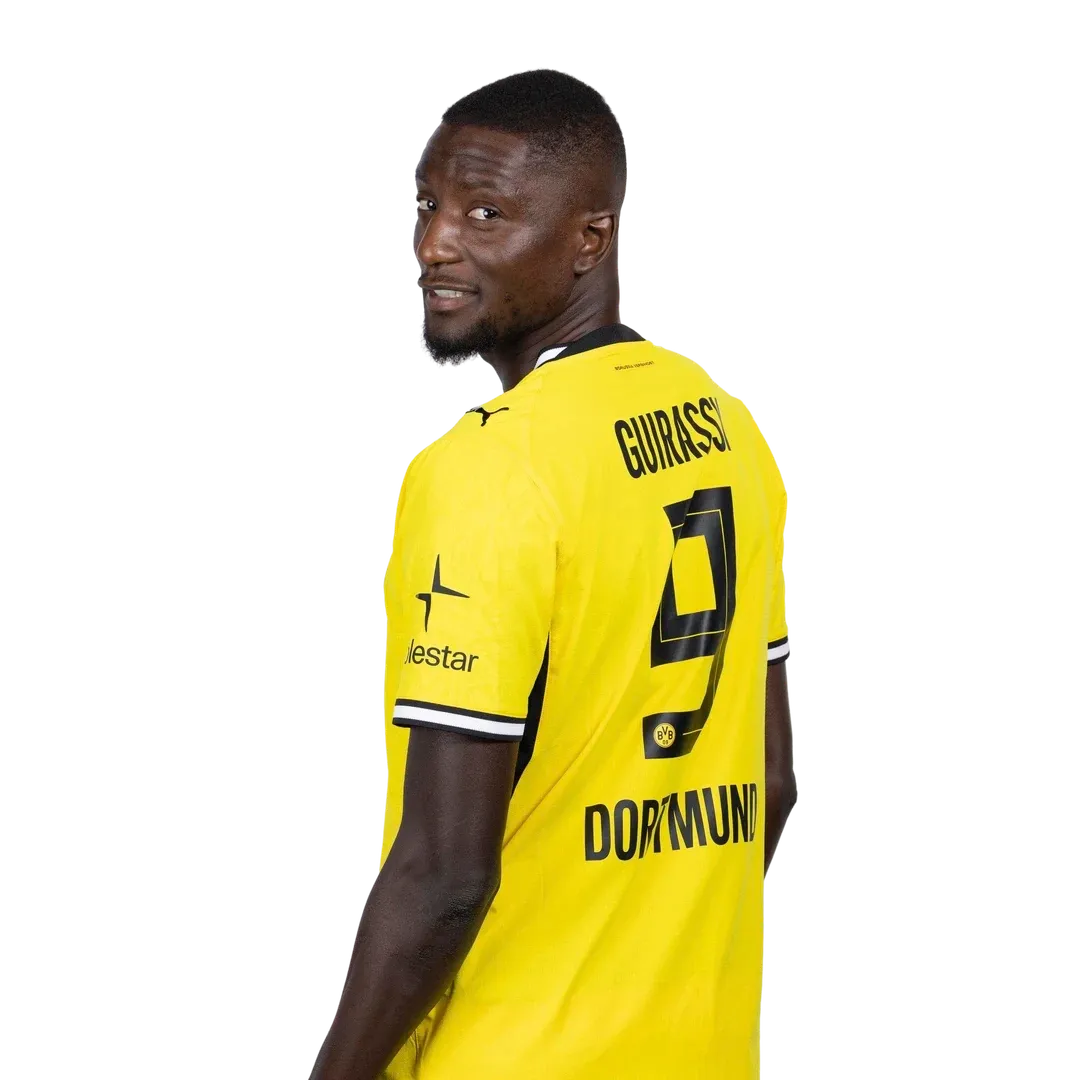
The absences matter as much as the presences. Mohamed Salah, with 29 Premier League goals and a league title to his name, did not finish in the counted positions. Ademola Lookman, who has been the most complete attacking midfielder in Serie A for three seasons, did not place. Omar Marmoush, who moved from Bundesliga golden boot to Manchester City and contributed immediately, did not place. Serhou Guirassy, the form striker in the Bundesliga at the time voting was conducted, did not place.
The pattern is consistent. The Ballon d'Or skews toward players at the clubs that win the Champions League or reach the World Cup final. African players -- with the exceptions of Hakimi's Morocco and the global profile that comes with playing at PSG -- are largely not at those clubs or those national teams when the decisive moments happen. Salah's Egypt have not qualified for a World Cup since 2018. Lookman's Nigeria were eliminated at the group stage. Marmoush's Egypt the same.
The tournament matters. Until more African nations reach the deep stages of World Cups, the individual excellence of their players will be systematically underweighted.
The Women's List: Temwa Chawinga at 10th
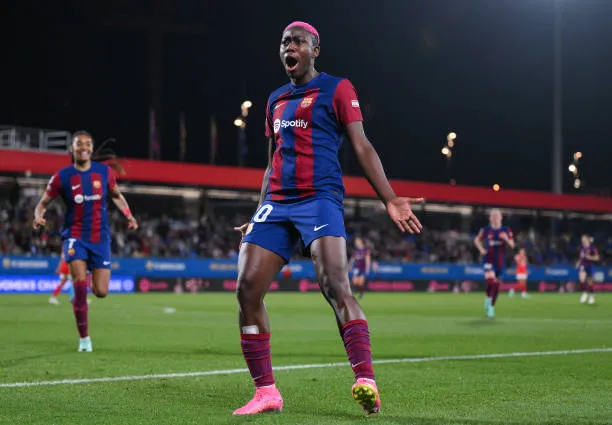
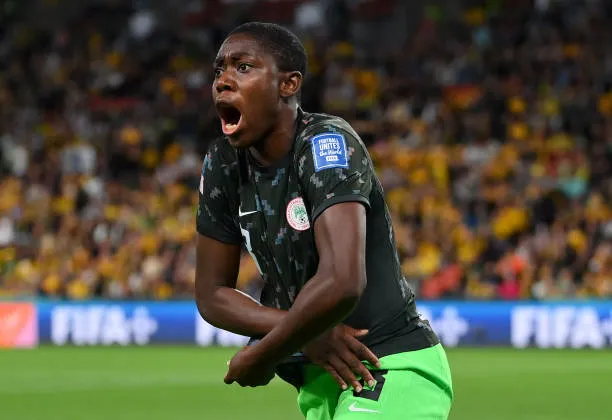
The better African story from the 2026 Ballon d'Or ceremony came in the women's award. Temwa Chawinga of Malawi, playing for Kansas City Current in the NWSL, finished 10th in the world. Alexia Putellas won the award for a third time. Khadija Shaw of Jamaica came third. And Chawinga, who earlier in the year was at Lyon driving their Champions League campaign, ended the season in America with enough votes to place in the global top ten.
Chawinga is 27. She has built her career across three continents -- China, France, the United States -- and every move has been upward. She is the best woman footballer from a country that barely registers in global football conversations. Malawi. Population 20 million. One Ballon d'Or top-10 finish. She got there herself.
Barbra Banda of Zambia placed 18th in the women's standings, having moved from Orlando Pride. Two African women in the top 20 of the world's premier individual football award is a number that would have seemed impossible fifteen years ago.
The Full African Scoreboard: 2026 Ballon d'Or
MEN
#13 Worldwide -- Achraf Hakimi (Morocco, Paris Saint-Germain) | Highest-ever Moroccan finish
#29 Worldwide -- Sadio Mane (Senegal, Al Nassr) | Joint 29th
WOMEN
#10 Worldwide -- Temwa Chawinga (Malawi, Kansas City Current) | Top 10 African women's finish
#18 Worldwide -- Barbra Banda (Zambia, Orlando Pride)
What the Numbers Say
Two African men in the men's top 30. Two African women in the women's top 20. The continent's best male players -- Salah, Lookman, Marmoush, Guirassy -- outside the counted positions. Hakimi the lone voice of African football in the men's global top 15.
The Ballon d'Or is not just a reward. It is a measure of visibility -- of which players the world is watching and which competitions the world cares about. African football is visible. It is producing players who reach the highest levels of the club game. What it is not yet producing is consistent runs in the World Cup's knockout rounds at a scale that forces the voters to place African players at the very top of the list.
Hakimi at 13th is the African ceiling right now. The question for the rest of this decade is how to raise it. The talent is already there. The tournament results need to follow.