Table of Contents
For 85 minutes, Senegal were winning. Habib Diarra had scored in the 25th minute from the rebound after Ismaila Sarr struck the post. Sarr himself had added a second in the 51st, one of the most beautiful goals of the tournament, taking a long ball from Moussa Niakhate perfectly on his chest before driving past Thibaut Courtois. Belgium were out. Koulibaly's last World Cup was going to have a knockout chapter after all. Then Romelu Lukaku came alive in the 86th minute and everything that followed happened too quickly to fully absorb until it was over.
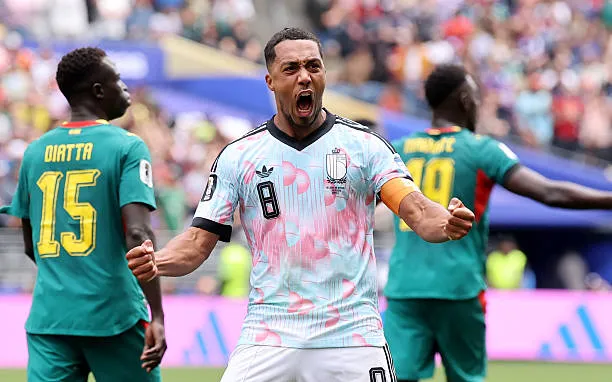
Lukaku scored from a Thomas Meunier cross in the 86th minute. Youri Tielemans equalised from a Leandro Trossard assist in the 89th. The match that Senegal had controlled for an hour and a half went to extra time with the Lions of Teranga unable to process what had just happened to them in the space of three minutes. Thirty more minutes produced no further goals and the last act of a tournament Koulibaly had described as his final one came down to a single moment in the 125th minute. Lamine Camara fouled Tielemans inside the area. VAR confirmed the decision after a lengthy review. Tielemans stepped up and blasted it into the top-right corner. Belgium 3-2 Senegal. Senegal's tournament was over.
How Senegal Got There and Why the Exit Feels Wrong
This was not a Senegal side that failed to compete. Sarr finished the tournament with four goals, including two against Norway and the outstanding individual goal against Belgium in Seattle. Without Edouard Mendy, who missed the knockout match with a knee injury, the goalkeeping position was compromised but the outfield performance across 125 minutes was as complete as anything Senegal produced in the group stage. Belgium, who had barely existed as an attacking force for the entire first hour, were two down with five minutes to go and produced two goals and a penalty-winning foul to go through. That is the specific cruelty of knockout football, and it does not make Senegal's exit fair. It makes it final.
The pattern that defined Senegal's entire tournament, competitive performances, failure to extend leads, narrow exits in close matches, was present one final time in Seattle. Against France they led and lost. Against Norway they were competitive and lost. Against Belgium they were dominant and lost from a position of control. Pape Thiaw's side produced the quality this tournament demanded. The results did not follow. Koulibaly, who has carried the programme of this Senegal generation across seven years at the highest level, exits the World Cup stage without a round of 16 appearance to show for a farewell campaign that genuinely deserved better.
Tielemans' Record-Breaking Penalty
The specific footnote attached to Tielemans' decisive penalty is that it was timed at 124 minutes and 44 seconds, making it the latest winning goal in World Cup history, surpassing the previous record. Belgium advance to face the winner of Thursday's fixture in the round of 16 with the considerable psychological weight of having come from two goals down with five minutes of normal time remaining. That recovery will define how this Belgian generation is remembered at this tournament. For Senegal, what will be remembered is Sarr's chest control and drive, the 51st minute goal against Belgium, one of the cleanest pieces of technique at this World Cup. It was not enough. The tournament has moved on without them.