Table of Contents
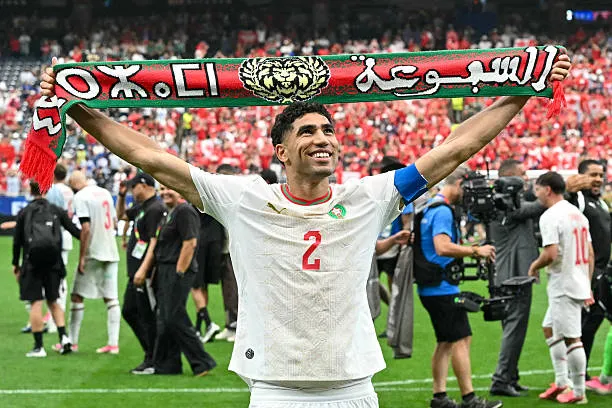
The 2025 Africa Cup of Nations ended on January 18 in Rabat. Six months and five days later, nobody can say with legal certainty who won it. Senegal beat Morocco 1-0 after extra time on the pitch. CAF's Appeal Board gave Morocco a 3-0 technical victory on paper. Senegal appealed to CAS on March 25. CAS confirmed on July 17 that no final ruling has been issued, and that the fake verdict circulating online was not real. The case is live. The timeline is unclear. And with WAFCON 2026 kicking off in three days — a tournament in which both Morocco and Senegal are competing in the same group — the legal dispute has moved from the courtroom back onto the football pitch in the most direct way possible.
The Timeline That Matters
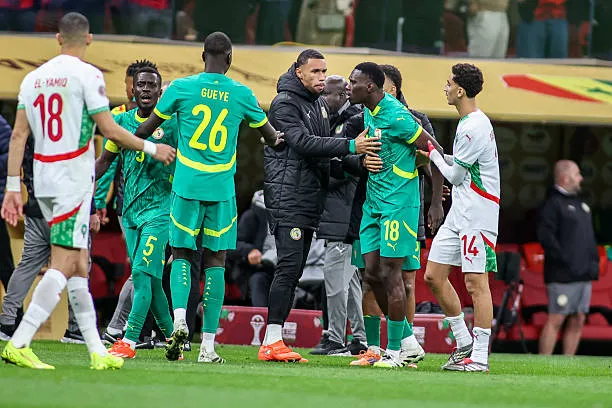
January 18, 2026: Senegal beat Morocco 1-0 after extra time in the AFCON 2025 final in Rabat. Pape Gueye scores the winner. Senegal lift the trophy. The controversy emerges in the final minutes — a stoppage-time penalty awarded to Morocco following VAR review, players leaving the pitch in protest, scenes that prompt CAF to open disciplinary proceedings. January 29: CAF's Disciplinary Board hands sanctions to both nations and several individuals over the chaotic conclusion. March 17: CAF's Appeal Board, reviewing Morocco's formal protest, rules that Senegal's players leaving the pitch without the referee's authorisation constitutes a forfeit under Articles 82 and 84 of the AFCON regulations. Result changed to a 3-0 technical victory for Morocco. March 25: Senegal appeal to CAS. The case is registered. An arbitration panel is appointed. No hearing date is set. July 17: CAS confirms no ruling has been issued. The fake viral verdict is false.
The Legal Fault Line
The case turns on a distinction that senior sports lawyers have described as entering uncharted legal waters. Articles 82 and 84 of CAF's AFCON regulations provide clearly that any team leaving the field without the referee's authorisation loses the match and is eliminated. CAF applied those articles and awarded Morocco the result. Senegal's legal argument rests on a different point: the full ninety minutes were played. A period of extra time was contested. A winner was crowned by a final whistle. This is categorically different from the situations — an Italian club walking off in protest, a team refusing to begin a match — for which those articles were written. No previous application of Articles 82 and 84 has involved a match that was completed in full. That is the legal gap CAS must now fill.
The timeline for resolution remains opaque. Morocco was given until May 7 to submit its defence. Following that, a panel of three independent arbitrators must be formally confirmed. Oral submissions come after that. CAS typically takes between six and eighteen months to conclude complex arbitration processes from the point of registration. Senegal registered on March 25. A verdict before the end of 2026 is possible. A verdict before WAFCON 2026 ends on August 16 is extremely unlikely.
What It Means for Sunday
Morocco and Senegal are in the same group at WAFCON 2026. They meet on August 3 in Rabat in what was already the group's defining fixture. They will play that match while a court in Lausanne holds their AFCON title in suspension. One team believes it is the rightful champion. The other holds the CAF-issued trophy and the official record. Both will take the pitch in front of a Moroccan home crowd with the memory of January still unresolved. The football will be the most watched match of the group stage. What it cannot be, for either side, is a substitute for the verdict they are still waiting on.
Motsepe said on Wednesday that CAF will implement whatever CAS decides and apply it to everyone. That is the only answer available to him. Sport Blot will carry the ruling and its full continental implications the moment it arrives.