Table of Contents
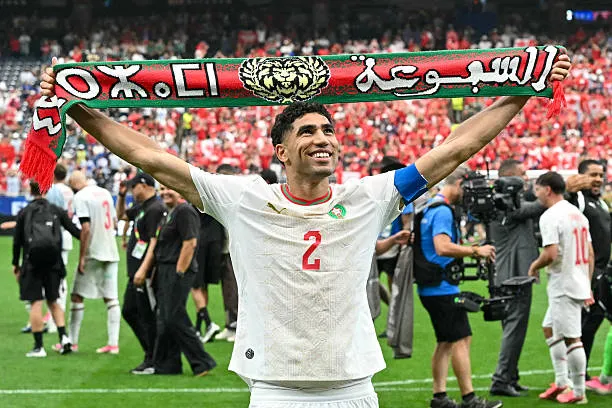
Argentina face Spain in the World Cup final at the MetLife Stadium in New Jersey on Sunday. It is a final between the defending world champions and the side that eliminated France in the semi-finals. No African nation is in it. Morocco, the last African team standing, were beaten 2-0 by France in the quarter-finals. Egypt went out in the round of 16 against Argentina, having led 2-0 with eleven minutes remaining. Cape Verde lost in extra time to Argentina in the round of 32, leading with six minutes left. The final is not an African story. The tournament that produced it was.
The numbers that define Africa's 2026 World Cup are the starting point for any honest accounting. Nine of ten nations reached the knockout stage, the best collective showing in the continent's World Cup history. Six reached the round of 32. Two reached the round of 16. One reached the quarter-finals for the second consecutive tournament. The expanded 48-team format gave Africa ten slots. African football used them better than any previous generation had used fewer.
What Changed and What Did Not
The pattern of African eliminations, which this publication examined in detail on July 9, revealed something specific about where the gap between African football and the world's best currently sits. It does not sit in the group stage. It does not sit primarily in the early knockout rounds. It sits in the final moments of matches where African nations led or drew level against superior opposition and were unable to maintain that position when the pressure became total. South Africa conceded in the 95th minute. Senegal from 2-0 up. Egypt from 2-0 up with eleven minutes left. Cape Verde in the 108th minute. The lead was there. Holding it was not.
Argentina's path has not been so clean and easy. In the round of 32, Argentina survived a scare from Cape Verde and its goalkeeper Vozinha to win 3-2 in extra time, as NPR confirmed. The team that is now in the World Cup final was taken to the limit by African opposition in consecutive knockout matches. That is the clearest measure available of where African football now sits relative to the summit of the game: close enough to take the world champions to extra time and within minutes of eliminating them, not yet consistently able to convert those positions into results.
The Individual Stories That Define the Tournament
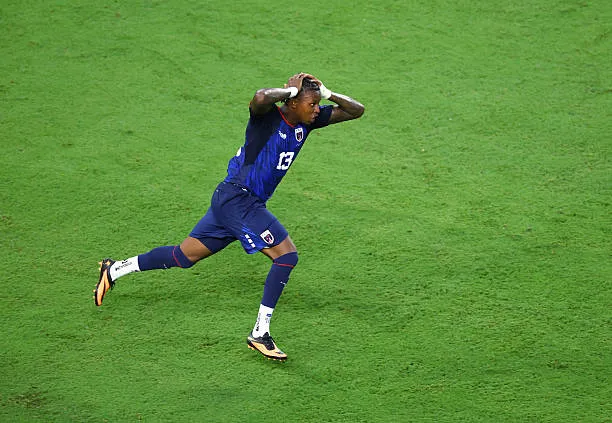
Before the final, the 2026 World Cup's African chapter can be defined by specific individual moments that will last longer than the group-stage tables. Vozinha, 40 years old and playing in Portugal's second division, saving eight shots against Spain to keep a goalless draw. Mofokeng's directness at the Azteca in South Africa's opening match. Amad Diallo's stoppage-time winner against Ecuador. Salah's Panenka in the Australia penalty shootout. Sidny Lopes Cabral's curling extra-time equaliser against Argentina in Miami, the single most technically accomplished goal any African player scored at this tournament. Ounahi's two goals against Canada in a 3-0 Morocco win. These are not consolation moments. They are the evidence that African football competed at the level the global game demands and produced individual quality the world noticed.
What Comes Next
WAFCON 2026 begins today in Morocco. The AFCON 2027 qualifying campaign is already underway, with the first matches played in September. The 2027 tournament itself, hosted across Kenya, Tanzania, and Uganda, will be the continent's next major collective moment. The 2030 World Cup, co-hosted by Morocco alongside Portugal and Spain, will give African football a home game at the level where the gap closed significantly in 2026. The generation of players that produced this tournament's results, Hakimi, Salah, Mofokeng, Diallo, Bounou, Vozinha in his specific extraordinary way, will still be in or near their prime for the next qualifying cycle.
Spain and Argentina play the World Cup final on Sunday. African football watches, as it always does, from outside the last match. The distance between watching and playing is smaller than it was four years ago in Qatar, smaller again than it was eight years ago in Russia. The semi-final is one step further. It has not been reached yet. It is closer than it has ever been. That is where the 2026 World Cup leaves the conversation, and it is a more honest and more hopeful place than where the conversation started.