Table of Contents
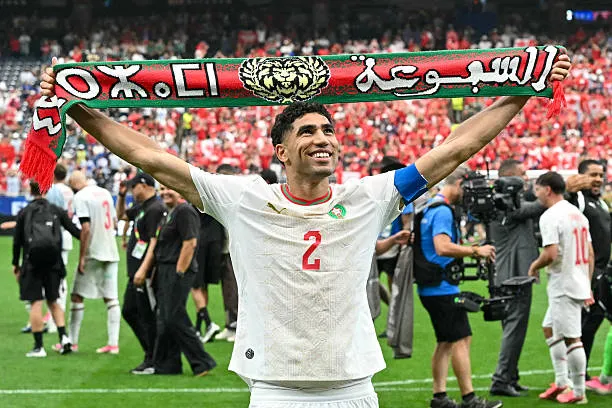
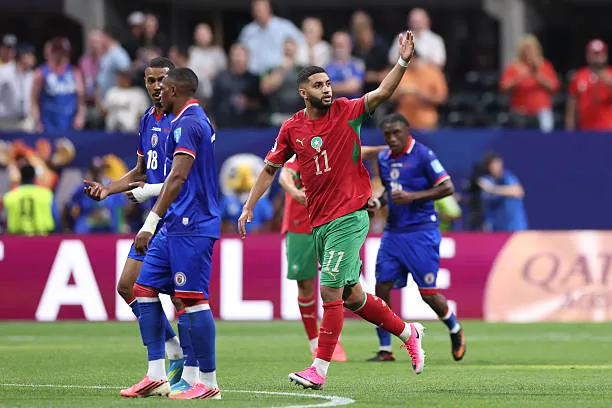
Morocco beat Haiti 4-2 in their final group match on Wednesday, a result that confirmed their place in the round of 32 but could not prevent Brazil from finishing top of Group C on goal difference after the five-time champions won 3-0 against Scotland on the same day. Morocco finish their group stage campaign unbeaten across all three matches, extending a remarkable run that now stands at six consecutive World Cup matches without defeat stretching back to the start of their extraordinary run in Qatar four years ago.
The campaign began with a 1-1 draw against Brazil at the MetLife Stadium, secured through Achraf Hakimi's second-half penalty and a series of crucial saves from Yassine Bono. It continued with a 1-0 win over Scotland in Boston that put Morocco on the brink of qualification. Wednesday's 4-2 win over Haiti, while not enough to overhaul Brazil's superior goal difference, confirms what the entire campaign has suggested: this Morocco squad, rebuilt under Mohamed Ouahbi after Walid Regragui's resignation following the AFCON 2025 final controversy, remains one of the most consistent forces in world football at this level.
What the Result Means
Finishing second in the group rather than first changes Morocco's round of 32 opponent but does not diminish the achievement of reaching the knockout stage unbeaten for a second consecutive World Cup. The specific opponent Morocco will face in the next round depends on the completion of the broader group stage picture across the tournament's remaining fixtures, but the position itself, having not lost a single match across either of their last two World Cup campaigns, places Morocco among the most resilient nations in the competition regardless of seeding.
Ouahbi, appointed with only three months to prepare a World Cup campaign after guiding Morocco's under-20 side to the U-20 World Cup title in Chile last October, has now overseen three group matches without a single defeat, against Brazil, Scotland, and Haiti. The squad continuity from the 2022 campaign, Hakimi, Bono, Amrabat, Diaz, and Saibari all featuring prominently, has provided the platform. The tactical adjustments and the composure shown across difficult moments, including the absences of Nayef Aguerd and Abde Ezzalzouli to injury before the tournament began, have been entirely Ouahbi's own contribution.
The Bigger Picture for African Football
Morocco's consistency across this tournament has been the single most reliable marker of African football's progress at the 2026 World Cup. While other African nations have produced moments of brilliance, Egypt's historic first World Cup win, Cape Verde's extraordinary draw with Spain, South Africa's breakthrough into the knockout stage confirmed on the same day as Morocco's group finale, none have matched the sustained quality across three full matches that Morocco have now produced in consecutive tournaments.
The semi-final run in Qatar set the standard for what African football could achieve at a World Cup. Morocco's task now, heading into the round of 32, is to prove that 2022 was the beginning of a sustained period of excellence rather than a single extraordinary tournament that this current campaign has, so far, done everything possible to extend. The knockout stage draw and Morocco's next opponent will be confirmed once the remaining group fixtures conclude. Whoever it is, Morocco arrive unbeaten, battle-tested, and carrying the weight of a continent's growing belief that this generation can go even further than the last one did.