Table of Contents
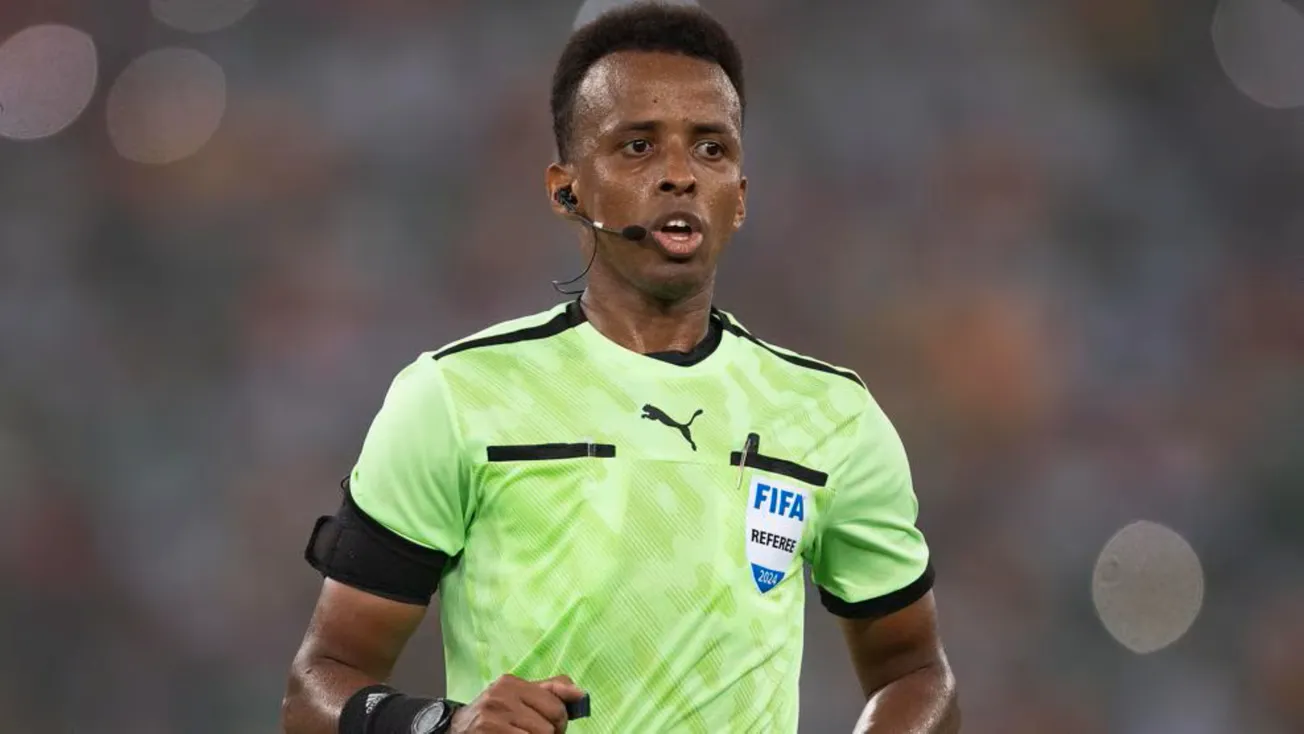
On Saturday, Omar Artan landed at Miami International Airport with a valid US visa and a place on FIFA's 52-strong list of World Cup referees. He was the CAF Referee of the Year. He had officiated the second leg of the CAF Champions League final weeks earlier. He was, by any professional measure, one of the most qualified officials at the tournament. US Customs and Border Protection turned him away. A statement cited vetting concerns. A State Department official told AFP that Artan was associated with suspected members of terrorist organisations. He flew back to Mogadishu. FIFA president Gianni Infantino, when asked about it, told critics to chill and relax.
Today, UEFA appointed Omar Artan to referee the 2026 UEFA Super Cup. PSG versus Aston Villa. Salzburg. August 12.
The turnaround took less than a week.
What UEFA Actually Did
The appointment was not a spontaneous act of sympathy. UEFA made it in the framework of a Memorandum of Understanding recently signed between UEFA and CAF to encourage cooperation across multiple areas, including refereeing. The decision was announced after direct discussions between the two confederations. It was deliberate, structured, and timed. UEFA knew exactly what it was doing and when it was doing it.
UEFA president Aleksander Ceferin said Artan was an excellent young but already experienced referee who had proven himself at the highest competition level of CAF. He said football is made to connect people and that UEFA wanted to show its respect to Artan and his outstanding officiating skills. Those are not the words of a governing body performing a bureaucratic function. That is a governing body making a statement in response to something that happened and choosing the moment carefully.
The contrast with FIFA's response to the same events is stark. FIFA confirmed Artan would no longer be part of the World Cup. Infantino offered no substantive challenge to the decision that removed him. UEFA, a separate confederation with no obligation to act, signed an MOU with CAF, identified Artan as the beneficiary of its first major gesture under that agreement, and gave him the biggest single match in European football outside the Champions League and Europa League finals.
Who Omar Artan Is
He is 34 years old. He has been on the FIFA international referee list since 2018. He won the CAF Men's Referee of the Year award in 2025. He officiated the 2025/26 CAF Champions League final second leg, the match in which Mamelodi Sundowns retained their continental title, a match this publication covered in the same week it happened.
He was not selected for the World Cup as a gesture of continental inclusion. He was selected because FIFA's own evaluation process determined he was one of the 52 best referees in the world. That evaluation stands. The vetting decision by US immigration services does not change the quality of his officiating. It changes only the geography in which he will be allowed to demonstrate it.
Artan becomes the first African referee to lead a major UEFA final. That is a fact about European football as much as it is a fact about African officiating. The two confederations have existed in largely separate professional tracks for decades. An African referee on European soil, appointed through a formal cooperative agreement, in a showpiece match, represents a structural shift in how those tracks relate to each other.
The Match He Will Referee
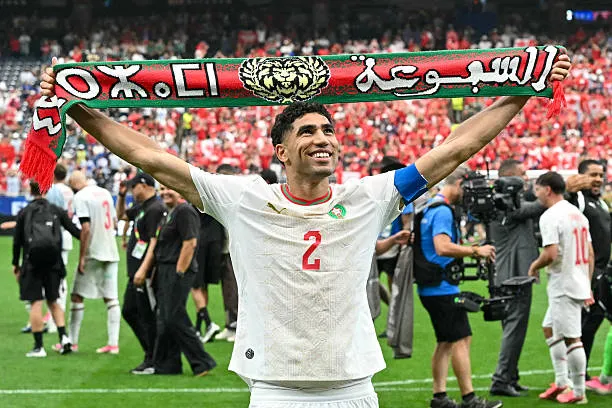
PSG won the Champions League in Budapest, defeating Arsenal on penalties in the final. It was their second consecutive European title and confirmation that the club's project, built around Achraf Hakimi and a squad assembled after the departures of Mbappe and Neymar, had produced the sustained continental dominance their ownership had always intended.
Aston Villa won the Europa League in Istanbul on May 20. Emiliano Buendia was named man of the match. The final was won against SC Freiburg. It was Villa's first European trophy since their European Cup triumph in 1982, a gap of 44 years. For Villa supporters, the Super Cup is not an afterthought. It is the first time the club has been at this stage of a major European fixture in living memory for most of their fanbase.
The Super Cup itself will be the first UEFA Super Cup held in Austria and the first major European final played in Salzburg. Red Bull Arena, the home of RB Salzburg, holds around 30,000. It is a compact, modern stadium in a city associated with music and tourism rather than football. The match will feel different from the traditional Super Cup environments of Istanbul and Helsinki. Whether that matters to the players is doubtful. Whether it creates an unusual atmosphere for a referee managing two of the best-supported clubs in European football is a more interesting question.
What the Week Has Revealed
The same week that a Somali referee was refused entry to a World Cup held across three countries, UEFA confirmed an appointment that his qualifications had always justified. The same week that Infantino suggested the football world needed to relax about a significant diplomatic incident, UEFA used the formal language of a memorandum of understanding and a shared commitment to non-discrimination to frame a specific decision about a specific person.
Football governance is rarely this readable. Institutions usually prefer the language of process over the language of response. This week, the distance between FIFA's response to Artan's situation and UEFA's response to the same situation is visible to anyone watching.
Artan returns to the pitch on August 12 in Salzburg. He will referee PSG against Aston Villa. He will be the first African referee to lead a UEFA final. He did nothing to earn the circumstances that made this appointment necessary. He did everything to earn the appointment itself.
Follow Sport Blot for coverage of the 2026 UEFA Super Cup and Omar Artan's return to the pitch.