Table of Contents
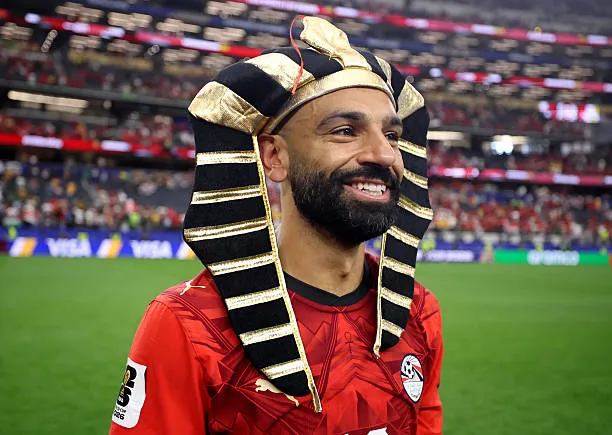
Egypt are in the World Cup round of 16 for the first time in their history. Emam Ashour scored in the 13th minute, Mohamed Hany scored his second own goal of the tournament in the second half, extra time produced nothing, and when the penalty shootout arrived Salah stepped up fifth and scored a Panenka down the middle. Egypt won 4-2. Australia missed through Harry Souttar and 18-year-old Lucas Harrington. All four Egyptian kicks went in. The record that started in 1934 keeps moving in only one direction.
The own goal that levelled the match for Australia was the specific piece of cruel fortune this Egypt squad did not need. Hany had already scored one own goal earlier in the tournament, and his second, under pressure from Souttar as Australia pushed for an equaliser midway through the second half, made him the first player in a single World Cup to score two own goals in the same edition. The statistic would have felt devastating had Egypt not responded with exactly the composure in extra time and the penalty shootout that this campaign has shown when it has mattered most.
Ashour's Opening Goal
Emam Ashour's 13th-minute goal, his second of the tournament following his opener against Belgium in the group stage, was the product of the kind of central combination that Hossam Hassan has built Egypt's attacking approach around. Running in behind a blocked initial shot, Ashour met an incoming cross with a superb near-post header that gave Australia's goalkeeper no time to adjust. It was a goal that, had Hany's own goal not arrived to cancel it, would have been enough to settle the match without the drama of extra time and penalties.
What the Shootout Produced
When the shootout arrived, Souttar stepped up first for Australia and blazed it over. The psychological blow of an early miss was significant. Harrington, 18 years old and appearing at his first international tournament, converted his effort — the youngest player to score in a World Cup penalty shootout in the competition's history — before Ati-Zigi of Ghana, watching from home, would have recognised the situation unfolding from his own earlier tournament. Egypt converted four from four. Salah's Panenka, down the middle as the goalkeeper dived right, was the kind of statement penalty that belongs in the specific moments this tournament produces. <cite index="22-1">Salah leads Egypt to World Cup history with penalty-shootout triumph</cite>, as ESPN's headline captured it.
Egypt advance to face the winner of Argentina versus Cape Verde in Atlanta on Tuesday. If Cape Verde have pulled off the impossible and eliminated Argentina, Egypt face the tournament's most compelling David-versus-David match. If Argentina progress, Egypt face Lionel Messi in the round of 16, the greatest player of his generation against the player who has defined Egyptian football's generation. Either fixture represents the deepest World Cup run Egypt have ever had. The round of 16 is new territory. What it produces is now the only question that matters.