Table of Contents
On the surface, it is a question of logistics: which country will provide the venue, the security, the hospitality, and the infrastructure for an awards evening that gathers the African football world in one room for a single night of celebration. But hosting the CAF Awards has never been purely logistical. It is a statement. It is a country telling the continent — and the world — that it has the ambition, the capacity, and the desire to be central to how African football tells its own story.
Nigeria has now made that statement, loudly and officially. Following confirmation from President Bola Tinubu and formal sign-off from the Confederation of African Football, Nigeria has been named as the host nation for the 2026 CAF Awards ceremony — as well as the 48th Ordinary General Assembly of CAF, which will take place in October. It is, by any measure, a significant moment for Nigerian football and for West Africa's standing within the continental governance structure.
The CAF Awards: What Is at Stake
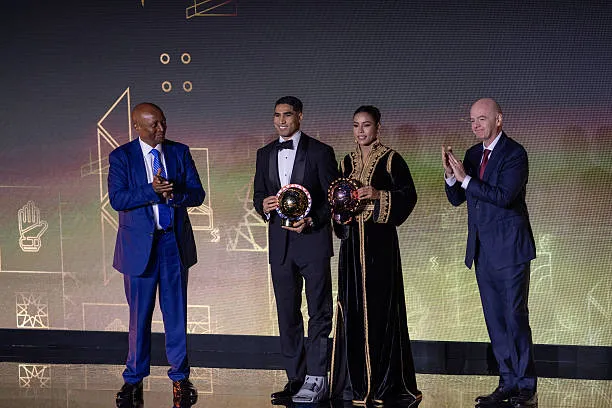
The CAF Awards are African football's equivalent of the Ballon d'Or — the annual celebration where the continent's finest players, coaches, and national teams are honoured before their peers. The ceremony has grown considerably in prestige and production value over the past decade, attracting global media attention and serving as a barometer of where power and excellence reside within the African game. Hosting the event on Nigerian soil for the first time carries a symbolism that extends well beyond the ceremony itself.
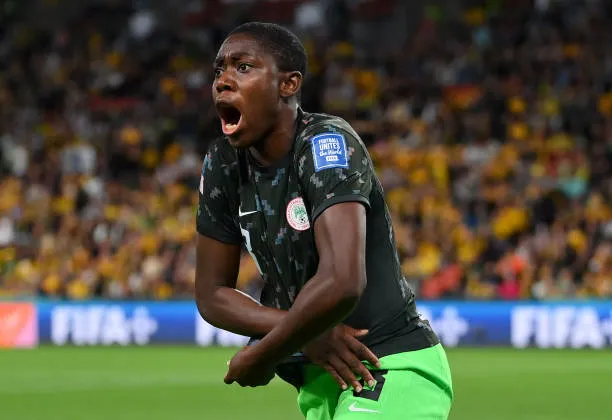
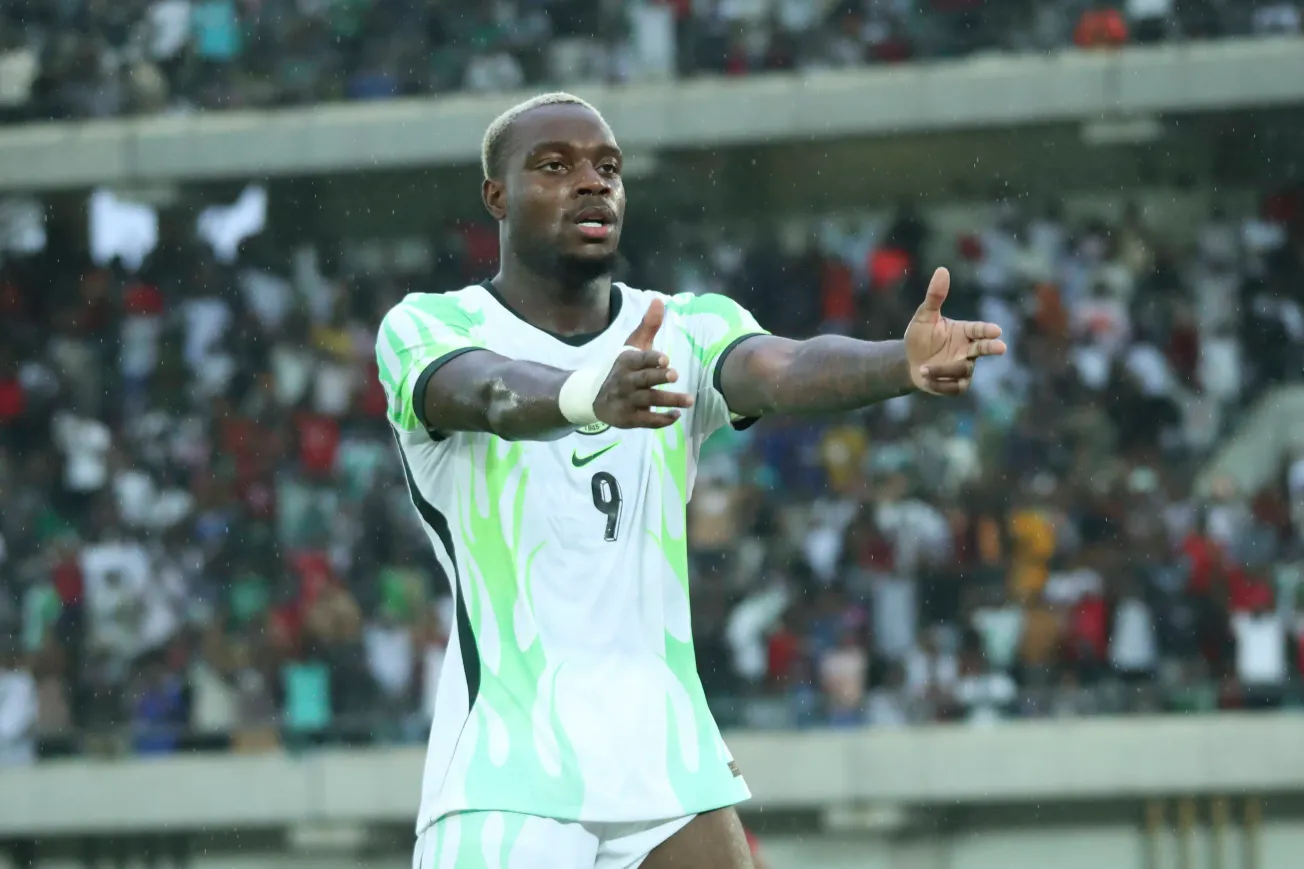
Nigeria's domestic game has been in something of a transitional phase, with the Nigeria Professional Football League continuing to develop its commercial and competitive profile. But the country's contribution to African football at the continental and global level has never been in doubt. Nigerian players are among the most sought-after in European football, appearing regularly in the Champions League, the Premier League, Serie A, and La Liga. To host the ceremony that celebrates all of this excellence, on home soil, before a domestic audience hungry for football content, is a powerful proposition.
"Hosting the CAF Awards is a statement of intent. Nigeria is not content to produce the talent and watch others celebrate it elsewhere."
The General Assembly: Governance and the Future
Perhaps of greater long-term significance is Nigeria's role as host of the 48th CAF Ordinary General Assembly. These gatherings — attended by federation presidents, government officials, and CAF leadership — are where the real decisions about the future of African football are made. Competition formats, financial distribution, development programmes, and governance reforms all pass through the General Assembly. For Nigeria to be at the table, in the host seat, gives the country an elevated platform at a time when African football is navigating some of its most significant structural questions.
CAF President Dr Patrice Motsepe, NFF President Amaju Melvin Pinnick, and Foreign Affairs Minister Bianca Odumegwu-Ojukwu were all present at the meeting confirming the hosting rights — a high-level attendance that underscores the seriousness with which Nigeria is approaching its continental responsibilities. The country has hosted major CAF club competitions and AFCON qualifiers before. But this is a different kind of stage, and Nigeria appears ready for it.
Looking Ahead
October feels a long way off, but preparations will begin in earnest almost immediately. Questions of venue, ticketing, broadcast partnerships, and the always-delicate matter of who wins the awards themselves will dominate discussion in the months ahead. One thing, however, is already settled: when African football gathers for its biggest night in 2026, it will do so in Nigeria. The continent's most populous nation, and one of its most passionate football cultures, finally gets to host the party. The guests will not be disappointed.