Table of Contents
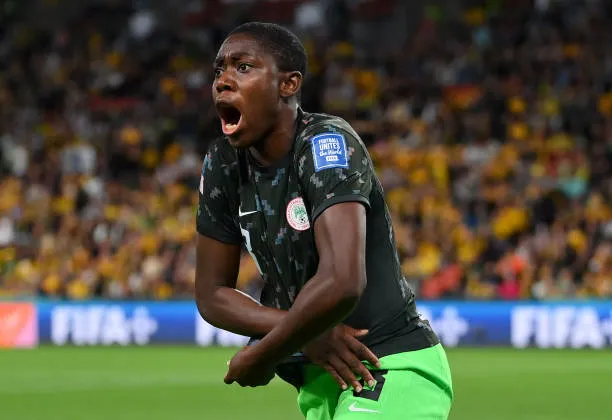
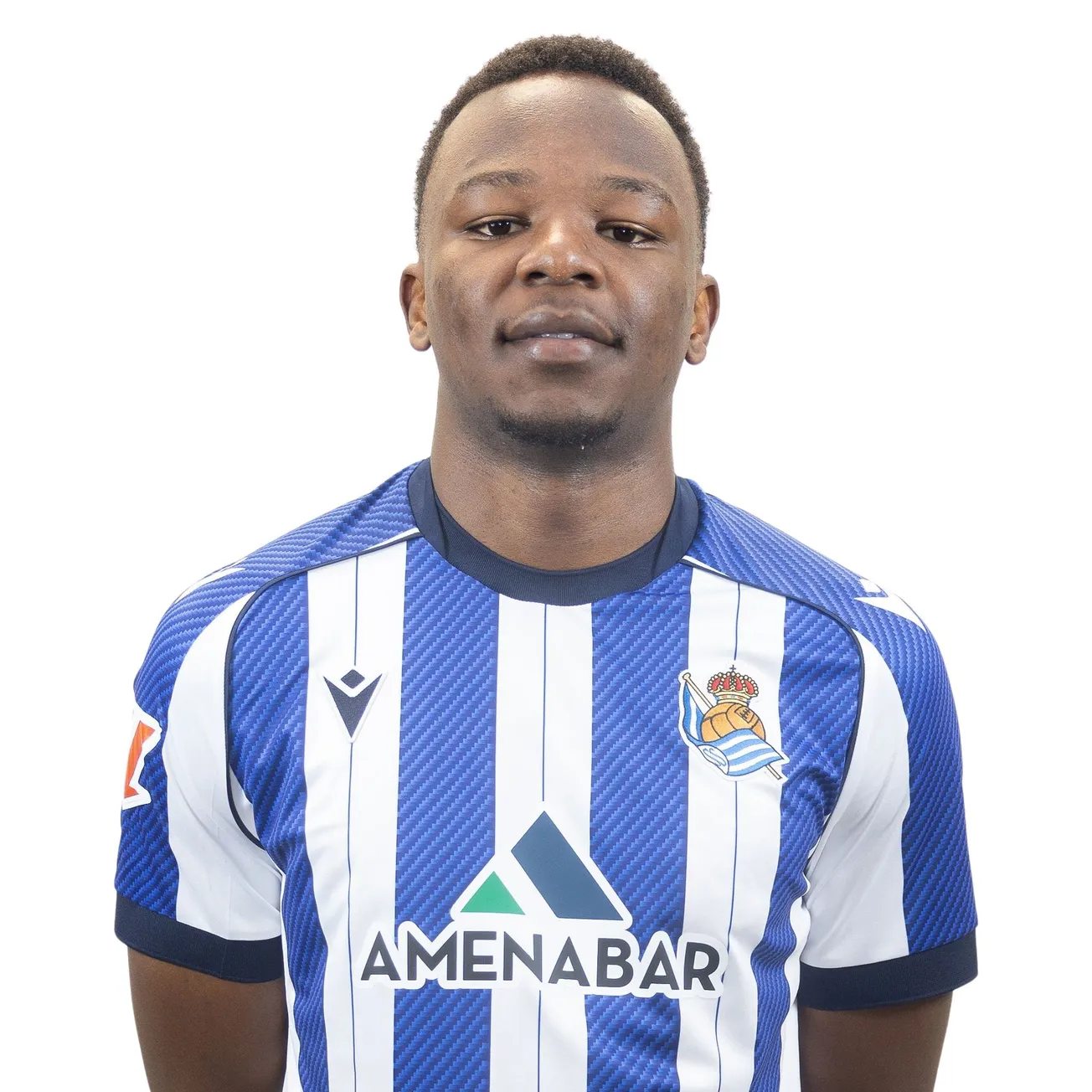
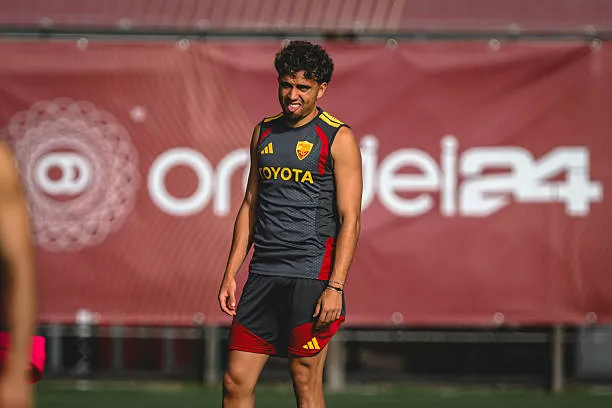
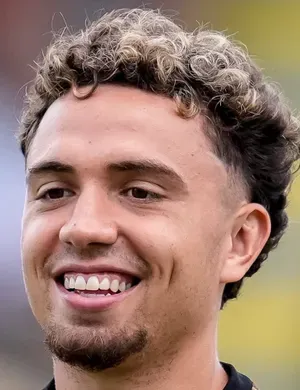
On the evening of March 28, 2026, Ismael Saibari, Oussama Targhalline, and Eliesse Ben Seghir each tapped a small heart icon on their phone screens. They liked Instagram posts from Senegalese players celebrating at the Stade de France. Within hours, their notification feeds had become something else entirely.
Morocco supporters flooded their accounts with demands for bans, exclusions from the national team, and language that was considerably more extreme. By the following morning, the story was the lead item across Moroccan sports media. Within 48 hours, all three players had issued public apologies.
The speed and intensity of that reaction is not simply a story about social media sensitivity. It is a story about what the AFCON 2025 final means to Morocco, and why a like on Instagram became a political event.
The Context the Numbers Do Not Carry
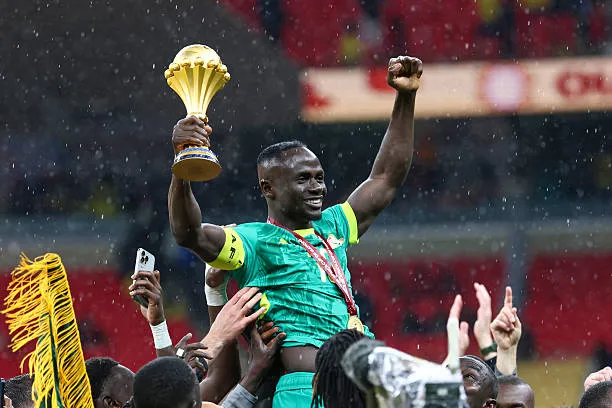
Morocco were eliminated from AFCON 2025 in circumstances that remain, two months later, unresolved and deeply contested. The final against Senegal was stopped, restarted, and concluded in conditions that left Moroccan players, officials, and supporters convinced they had been wronged. CAF's decision to award the title to Senegal was challenged through formal legal channels. The Court of Arbitration for Sport proceedings are ongoing.
When Senegalese players celebrated on Instagram in those subsequent weeks, Moroccan supporters were not watching neutral football content. They were watching the team they believe wrongfully holds their trophy express joy about it. In that context, a like from a Moroccan international was not a small thing. It was interpreted as a statement.
Several of the players involved tried to delete their likes quickly. Ben Seghir allegedly kept his interaction briefly while updating his profile photo, which was itself noticed and reported. Saibari and Targhalline removed theirs faster, but not before screenshots had been taken and circulated.
What the Players Said
The three apologies that followed within days were structurally similar but each contained something individual. Saibari's was the most direct acknowledgement of context. As reported by Africa Top Sports, he stated: "I want to apologize for what happened. I liked a post without realizing it. It does not diminish my love and dedication to Morocco." Targhalline said: "I was not paying attention. I understand the anger and I apologize." Ben Seghir, writing in his Instagram story as reported by Morocco World News, offered more detail: "I acted without any real intention behind it, simply because I am used to interacting with his posts. As soon as I realized, I immediately removed the like. I would like to remind everyone that, above all, I am Moroccan. I love my country very much and I am proud to represent the national team."
The three players were booed during Morocco's subsequent friendly against Paraguay. That the match was played at all, and that these players featured in it, suggests the federation did not take formal disciplinary action. But the crowd's response was its own verdict.
The Larger Question
There is something worth sitting with in this story beyond the immediate controversy. Saibari plays for PSV Eindhoven. Ben Seghir plays for Monaco. Targhalline plays his club football in Europe. These are young men whose daily professional lives involve relationships with teammates, opponents, and agents from across the football world, including from Senegal. The suggestion that a like on a colleague's post constitutes a national betrayal reflects a particular expectation placed on African international footballers that their European counterparts rarely face with the same intensity.
That observation is not a defence of the players' timing, which was either careless or naive given the live legal dispute between the two federations. It is a recognition that the AFCON 2025 situation has created a climate in which every gesture made by a Moroccan international carries weight that it would not carry in a less charged moment.
The three players have apologized. They will almost certainly be in Morocco's World Cup squad. On the pitch, against a group that includes Portugal, Uruguay and the United States, the memory of three Instagram likes will recede. But the underlying tensions between Morocco and Senegal, their federations, their supporters, and the unresolved question of who legitimately holds the AFCON 2025 trophy, will not. Not until CAS has spoken.