Table of Contents
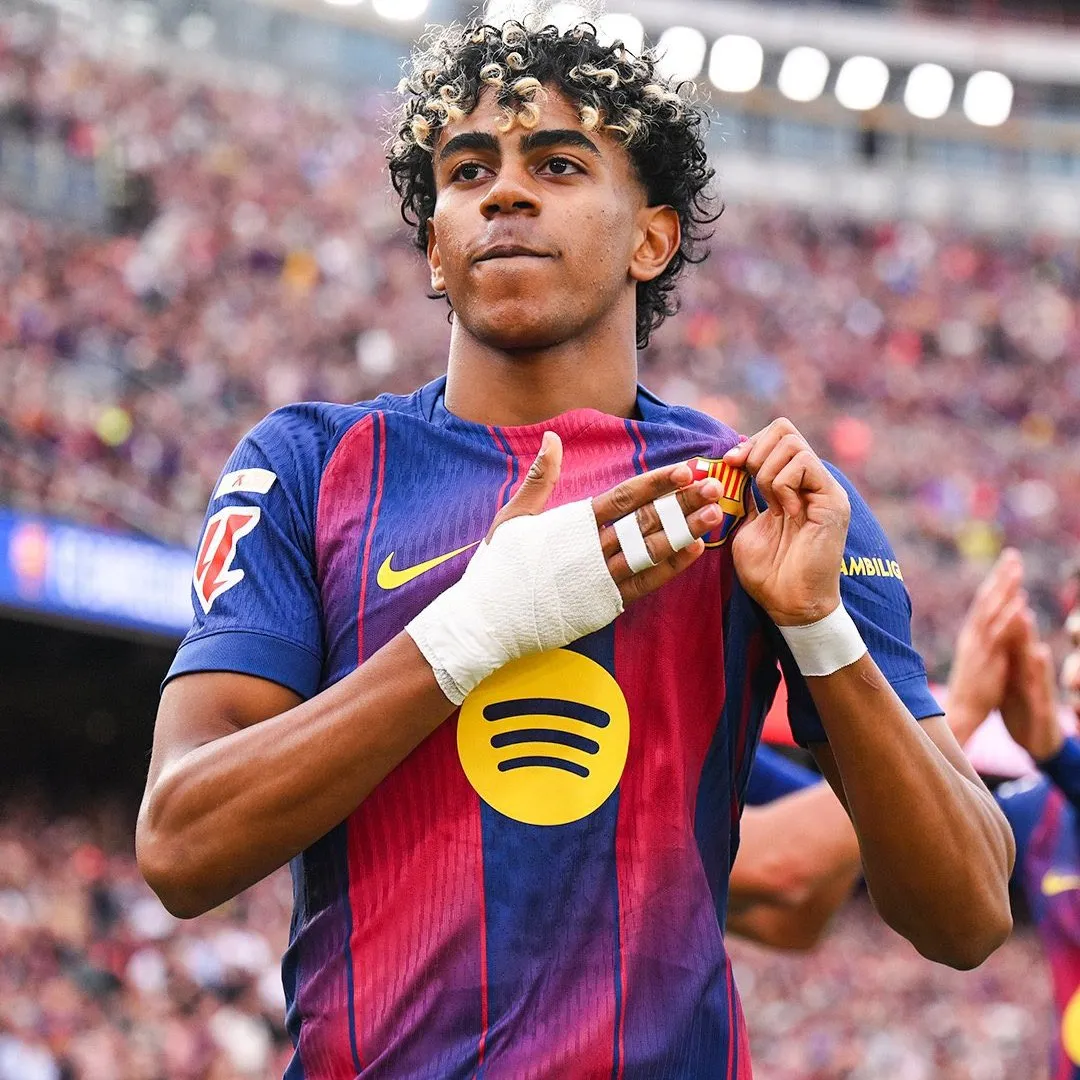
Didier Drogba has publicly supported Lamine Yamal following a racist incident during Spain's World Cup preparatory match against Egypt. As reported by Foot Africa, Drogba's statement in support of the Barcelona teenager was one of the most prominent responses to emerge from the incident, both because of who Drogba is and because of what his voice has historically meant in African football and beyond it.
The details of the specific racist incident involving Yamal during the Spain-Egypt match are still emerging. What is established is that Drogba chose to respond, chose to put his name to a statement of support for a player who is seventeen years old and Spanish-born to a Moroccan father and Equatoguinean mother, and that the response has been noted across African sports media as significant.
Why Drogba's Voice Carries Different Weight
There is a particular kind of authority that comes from having been the most prominent African footballer of a generation, having spoken against racism throughout a career that took him from Abidjan to Chelsea to global visibility, and then continuing to use that platform after the boots were hung up. Drogba has done this consistently. His support for Yamal is not an isolated act. It sits within a longer pattern of the Ivory Coast legend using his influence to speak on issues that footballers, particularly young ones still building their careers, cannot always address directly.
Yamal himself is not an African player in any straightforward sense. He is Spanish, he plays for Barcelona, and his national identity in football terms is clear. But the racial dimension of incidents like this does not respect those boundaries. When a teenager of African heritage is targeted at a major international fixture, the response from the African football community carries meaning that the formal condemnations from federations and governing bodies do not. Drogba speaking is different from a CAF statement. One is institutional. The other is personal.
The World Cup Context
The timing of this incident and Drogba's response sits within the broader context of what the 2026 World Cup represents for African football and African players globally. Ten African nations will compete in North America this summer. Many of the continent's biggest stars, Osimhen, Salah, Mane, Hakimi, will play in front of the largest audiences their careers have seen. The expectation that the expanded tournament will deliver a breakthrough moment for African football, that a team will go deep in a way Morocco did in 2022, carries with it an unspoken assumption: that the conditions exist for players to perform without the additional burden of racism diminishing what should be a celebration of the game.
Drogba's support for Yamal is a reminder that those conditions are not guaranteed. It is also, in the context of a summer when African players will be watched by billions, the most prominent African footballing voice saying clearly that the conversation about race in football is not over because the World Cup is starting. It has not gone away. It will not go away. And the players who come from African backgrounds, whether they represent African nations or not, are still navigating it. Drogba's name attached to that message gives it reach that matters.