Table of Contents
Nine African nations reached the knockout stage of the 2026 FIFA World Cup. Eight of them have now been eliminated. The manner of each exit, taken together, forms a pattern that is uncomfortable to examine but important to understand. This was not necessarily because the teams were outplayed, but because they missed crucial opportunities when it mattered most, as the Daily Nation's analysis captured. While there have been claims of poor refereeing, the pattern of how African teams were eliminated was strikingly similar: lapses in concentration, lost leads, and decisive late goals.
South Africa led Canada until the 95th minute and lost to a stoppage-time header. Senegal led Belgium 2-0 with five minutes left, conceded twice and then lost a penalty in the 120th minute. DR Congo led England for 68 minutes before two Kane goals in the final quarter ended the match. Egypt led Argentina 2-0 with eleven minutes remaining and conceded three times in eight minutes. In each case, an African nation was closer to advancement than the final score reflected. In each case, the final minutes produced the outcome that ended their campaign.
What the Data Shows
FIFA-accredited performance specialist Faisal Chibsah believes that African teams have made clear progress in their preparation, as the Daily Nation confirmed. The underlying performance data from the tournament supports his assessment. African nations produced a collective xG performance that, match by match, frequently exceeded their results. Morocco drew with Brazil despite Brazil having the higher quality. Cape Verde held Spain to zero goals despite Spain having 27 shots. Egypt saved two Messi-era penalties against one of the most clinical attacking nations in the world. The quality of the football African nations produced was, by most objective measurements, competitive.
"African teams have made real progress in their preparation. Modern football changes every minute, and the best teams adapt in those moments," Chibsah said. His second sentence is the one that explains the gap. The ability to adapt tactically in real time, when a lead is under threat and the opposition has the ball, is where the exits were decided. Senegal at 2-0 against Belgium needed to manage the game differently in the final five minutes. Egypt at 2-0 against Argentina needed to reorganise after Romero's header made it 2-1. The adjustments required in those specific moments did not come. The results followed.
Is This Refereeing, Concentration, or the Quality Gap
The Egyptian federation's FIFA complaint, Senegal's contested penalty in extra time against Belgium, the DR Congo goal that was allowed despite questions about a foul in the build-up: all of these have generated legitimate debate about officiating standards applied to African nations at this tournament. The debate is real and the Egyptian complaint has put it on the formal record. It is also insufficient as a complete explanation for what happened. South Africa's exit was not decided by a referee. It was decided by a Eustaquio volley in the 95th minute of a match South Africa had defended well for 94 of them. Ivory Coast's exit was decided by Haaland's 86th-minute goal in a match where they had competed genuinely. The concentration and game-management questions sit alongside the officiating questions rather than being answered by them.
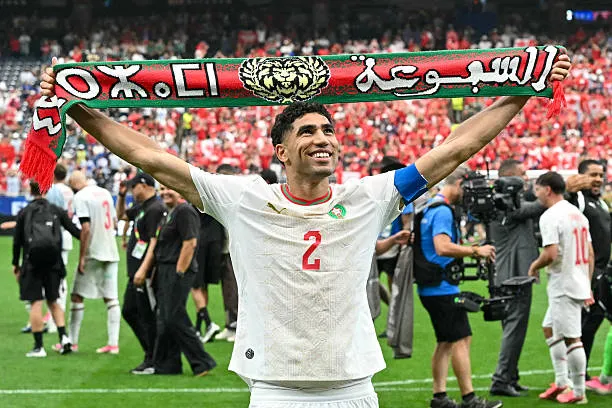
Morocco's continued presence in the quarter-final tonight against France is the most important data point the tournament has produced for African football. They have not experienced the collapse that eliminated eight of their continental colleagues. Eight matches unbeaten. Leads maintained. Pressure managed. The specific quality that Chibsah identifies, the ability to adapt in the moments that decide matches, is the quality Morocco have demonstrated consistently that the others have not. Whether that is coaching, squad experience, tactical organisation, or something less quantifiable about this specific generation of Moroccan football is the question that tonight's match against France will help answer. Africa has one team left. Everything the continent has learned from the other eight exits is watching from the stands tonight in Boston.