
Table of Contents
In Summary
- AFCON 2025 features the deepest pool of global football talent ever seen in the tournament, with no single favourite.
- Host nation Morocco is providing state-of-the-art stadiums and infrastructure, serving as a preview for its 2030 World Cup hosting duties.
- The tournament is uniquely scheduled during the Christmas and New Year period, offering a daily feast of football.
Deep Dive!!
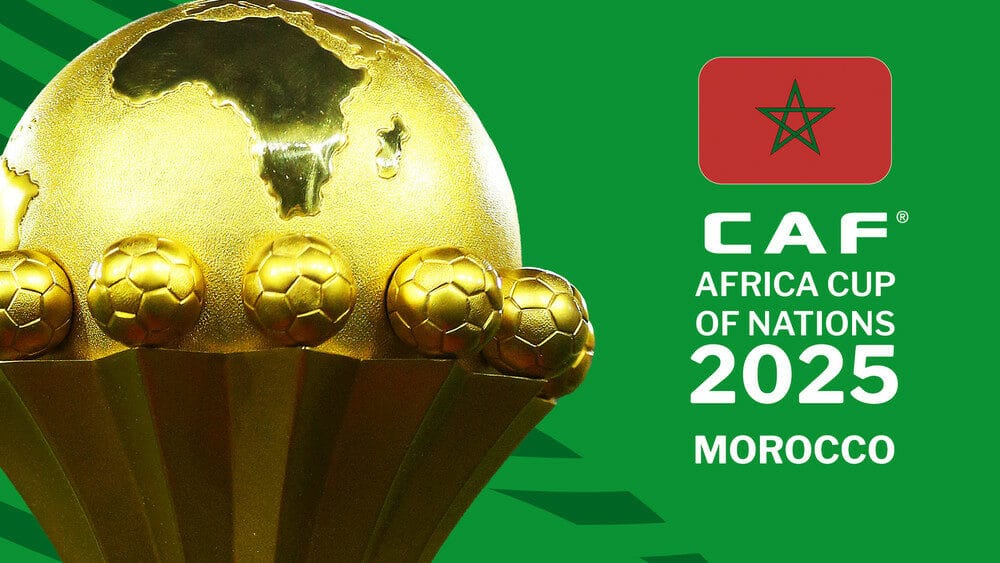
Monday, 22 November 2025 – Following the spectacular success of the 2023 edition in Côte d'Ivoire, which set a tournament record with 119 goals, the stage is now set for Morocco to host what could be the most fiercely competitive Africa Cup of Nations in modern history. From December 21, 2025, to January 18, 2026, the global footballing spotlight will shift to North Africa, where a remarkable confluence of elite talent, state-of-the-art infrastructure, and unprecedented competitive depth promises to deliver a historic spectacle. The challenge of surpassing the last tournament is significant, but AFCON 2025 is uniquely positioned not only to meet it but to raise the bar even higher, transforming the festive season into a month-long celebration of football at its absolute continental pinnacle.
This upcoming tournament represents more than just another championship; it is a definitive showcase of African football's burgeoning power and global relevance. Morocco, a nation preparing to co-host the 2030 FIFA World Cup, provides the perfect backdrop for this ascendance, offering world-class facilities that will elevate the entire event. With a reported forecast of generating $192.6 million in revenue, the tournament is also a testament to its growing commercial and cultural stature. As teams and their legion of passionate fans descend upon Moroccan cities, the event will ripple from North Africa across the globe, uniting the continent under a shared ambition for glory and cementing AFCON's place as a must-watch event on the world sporting calendar.

The Unprecedented Depth of Talent
The sheer concentration of world-class footballers set to compete in Morocco is the primary reason this tournament promises unparalleled competition. The era where one or two nations held a monopoly on star power is over. Today, African players are not just participants in Europe's top leagues; they are often their most decisive figures. This tournament will see global icons like Egypt's Mohamed Salah and Nigeria's Victor Osimhen sharing the pitch with a new generation of elite talents such as Senegal's attacking threats and Cameroon's Bryan Mbeumo.
This depth extends beyond the traditional powerhouses. The 2023 semi-finalists, DR Congo and South Africa, arrive with reinforced squads and greater belief, while nations like Algeria, Mali, and Tunisia boast line-ups capable of beating anyone on their day. With seven different winners in the last eight editions, the trophy is truly up for grabs, and the group stages will be littered with high-stakes encounters that feel like knockout matches from the very first whistle.
A World-Class Stage in Morocco
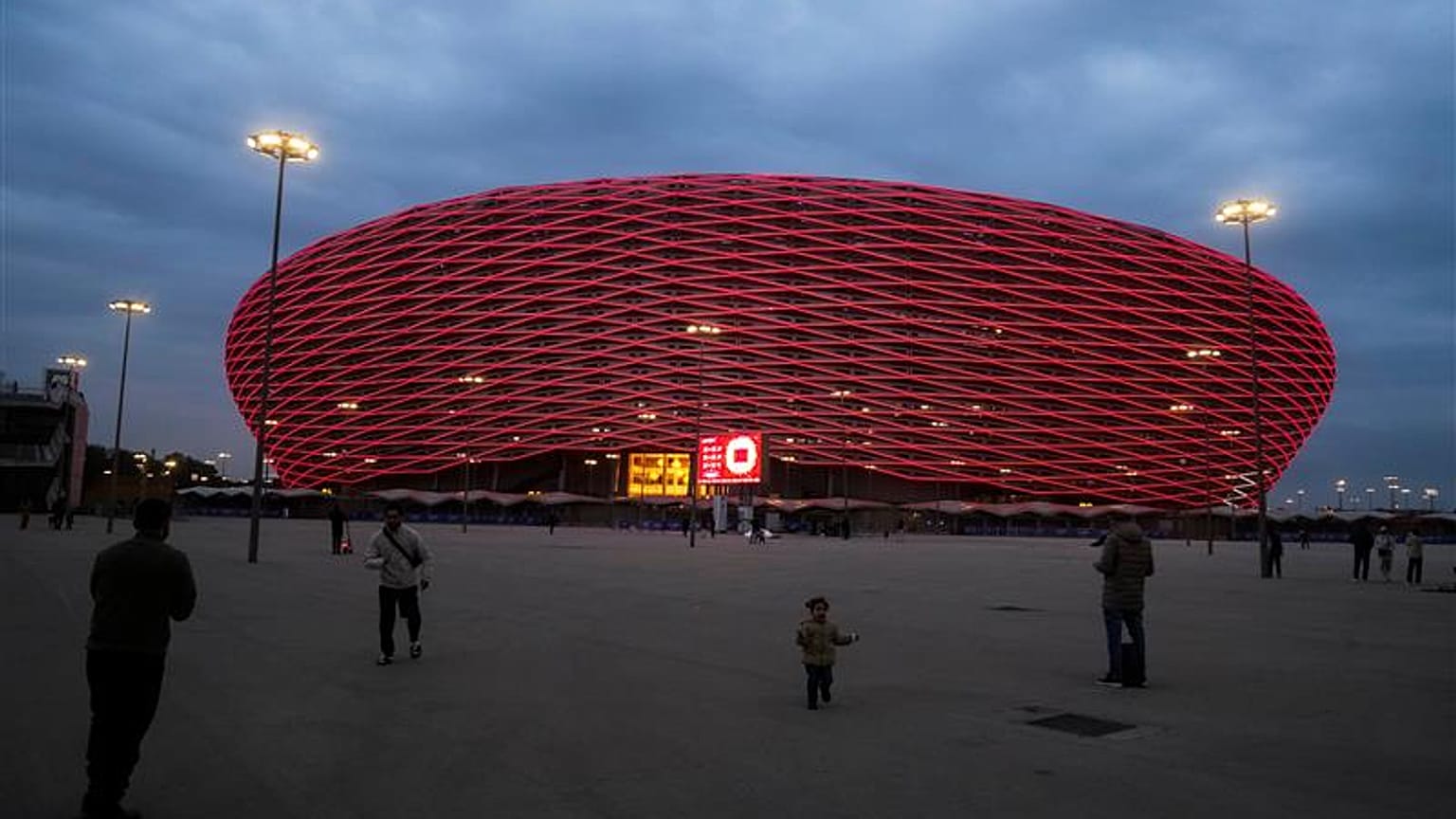
The host nation itself is a key ingredient in this recipe for a historic tournament. Morocco is not merely providing venues; it is showcasing a blueprint for the future, offering a dazzling preview of its 2030 World Cup hosting capabilities. The country has invested heavily, refurbishing nine state-of-the-art stadiums across six cities. Iconic grounds like the Prince Moulay Abdellah Stadium in Rabat, which will host the final, offer perfect pitches and modern amenities that allow the football to shine.
Experts agree that the infrastructure will surpass even the high standards set by the last edition. This commitment ensures the athletes perform at their peak and guarantees a superb experience for the fans in attendance. Furthermore, with Morocco co-hosting the 2030 World Cup, global interest is immense. The Confederation of African Football (CAF) has capitalized on this, securing broadcast partnerships in over 30 European territories, ensuring that the drama unfolding in North Africa will be beamed to a record global audience.
A Festive Calendar Packed with Drama
In a significant scheduling shift, AFCON 2025 will unfold during the heart of the European football season and the holiday period, creating a unique and intense dynamic. The tournament kicks off on December 21st, promising to fill the Christmas and New Year period with daily footballing drama. The group stage is brilliantly scheduled, with up to four matches per day, offering fans a continuous festival of the beautiful game.
However, this festive timing has reignited the timeless club-versus-country debate. With FIFA setting the mandatory player release date for December 15, European clubs will be reluctantly parting with their key African stars at a crucial point in their domestic seasons. While this creates logistical tension, it guarantees that every participating star arrives with their focus fully on national glory, raising the intensity and commitment levels from the very first training session.
Groups of Death and the Atlas Lions' Quest
The tournament draw has expertly laid the groundwork for instant drama, creating several "groups of death" that promise fireworks from the opening round. All eyes are on Group F, where the defending champions, Côte d'Ivoire, will face a monumental battle against the indomitable lions of Cameroon. Elsewhere, Group D features a clash between Senegal and a resurgent DR Congo, while Group B pits the record champions Egypt against a physically imposing South Africa.
Even the host nation, Morocco, despite entering on an 18-match winning streak and as Africa's highest-ranked team, faces a treacherous path in Group A against savvy opponents like Mali and Zambia. The Atlas Lions carry the weight of a nation's dream: to win the AFCON on home soil, a feat not achieved by a host since 2006. This compelling narrative adds an electric layer of pressure and excitement that will course through the entire tournament.
More Than a Game: A Continental Celebration
Ultimately, AFCON 2025 transcends sport. It is a vibrant, unifying celebration of African culture, resilience, and ambition. The tournament stands as a powerful testament to the continent's footballing renaissance, built on growing grassroots investment and the soaring success of its players abroad.
For a month, national anthems will ring louder than club loyalties, and the continent will unite in its passion for the game. From the rhythmic beat of drums in the stands to the dazzling skills on the pitch, AFCON 2025 in Morocco is poised to be a definitive spectacle. It represents a perfect storm where elite competition meets perfect hosting, all set against the backdrop of a continent proudly displaying its footballing wealth to the world.
We value your thoughts. If you have comments or feedback about this article, reach out to our Editor-in-Chief at editor@dissimilarmedia.com.