
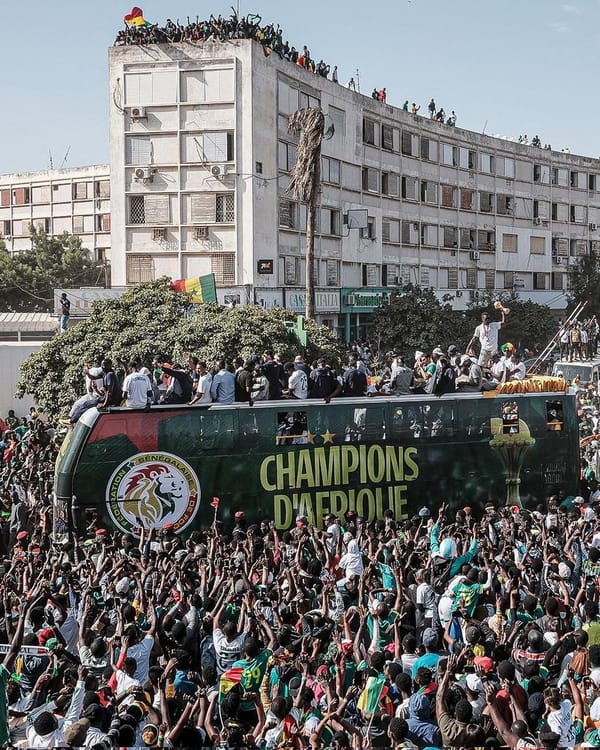

AFCON glory does not end at the final whistle. Across Africa, the true coronation often comes days later — when champions return home and entire nations pour into the streets. These victory parades are not just celebrations; they are statements of identity, unity, and historical memory.
The recent Lions of Teranga parade in Dakar once again reminded the continent how powerful these moments can be.
With that backdrop, we look back at the 10 most iconic AFCON title celebration parades in history, ranked from 10 to 1, based on scale, symbolism, historical context, and emotional impact.
10. Ghana – Accra (1978)
Ghana’s 1978 AFCON triumph completed their third continental title and permanently claimed the original AFCON trophy. The parade in Accra was modest by modern standards but monumental for its time. Streets overflowed with supporters celebrating not just victory, but Ghana’s growing football identity as a continental powerhouse.
This parade cemented Ghana’s reputation as one of Africa’s footballing aristocracies and laid the foundation for decades of continental respect.
9. Nigeria – Lagos (2013)
Nigeria’s return to AFCON glory in 2013 sparked a raucous Lagos celebration. The Super Eagles’ parade cut through the commercial heart of the country, bringing traffic to a standstill as fans climbed buildings, waved flags, and danced alongside the team bus.
What made it special was timing: Nigeria was emerging from a turbulent period, and football once again provided a unifying release for Africa’s most populous nation.
8. Cameroon – Yaoundé (2017)
Cameroon’s 2017 victory parade was a celebration of resilience. Few expected the Indomitable Lions to lift the trophy, yet their return to Yaoundé was greeted by massive crowds embracing an underdog triumph.
The parade reinforced Cameroon’s unique AFCON legacy — a nation that repeatedly rises when least expected, and whose football culture thrives on defying predictions.
7. Egypt – Cairo (2010)
Winning AFCON once is special. Winning it three times in a row is historic. Egypt’s 2010 parade was less chaotic and more ceremonial — fitting for a nation asserting dominance rather than surprise.
Cairo’s streets reflected pride, control, and legacy. This parade symbolized Egypt’s golden generation and remains the benchmark for sustained excellence in AFCON history.
6. Ivory Coast – Abidjan (2015)
Ivory Coast’s 2015 AFCON parade carried deep emotional weight. After years of near misses and heartbreak, the Elephants finally triumphed. Abidjan erupted as players paraded through the city, with fans celebrating not just a trophy, but long-delayed justice.
This was a victory parade fueled by relief, closure, and national healing — football delivering what politics and time had not.
5. Algeria – Algiers (2019)
Algeria’s 2019 parade was electric. Fresh from a dominant AFCON campaign, the team returned to a nation already alive with political and social change.
The celebrations in Algiers blurred the lines between football and national expression. Flags, chants, and raw emotion turned the parade into a symbol of rebirth — both sporting and societal.
4. Senegal – Dakar (2022)
Senegal’s first-ever AFCON title triggered scenes never before witnessed in the country. Dakar became a sea of green, yellow, and red as millions celebrated a long-awaited breakthrough.
The parade represented more than football success; it was the reward for decades of belief, talent development, and near misses. Senegal had finally taken its place at the summit of African football.
3. South Africa – Johannesburg (1996)
Few AFCON parades carry the historical gravity of South Africa’s 1996 celebration. Just two years after the end of apartheid, Bafana Bafana’s victory parade became a moment of national healing.
The streets of Johannesburg told a story far bigger than football — unity, hope, and the rebirth of a nation through sport.
2. Zambia – Lusaka (2012)
Zambia’s 2012 AFCON parade was unlike any other. The victory itself was emotional, but the homecoming was sacred.
Winning the title near the site of the 1993 plane crash that claimed an entire national team transformed the parade into a living memorial. Lusaka’s celebrations blended joy with remembrance, making it one of the most powerful moments in AFCON history.
1. Senegal – Dakar (2025)
At number one stands Senegal’s most recent AFCON title celebration in Dakar — a parade that transcended football spectacle.
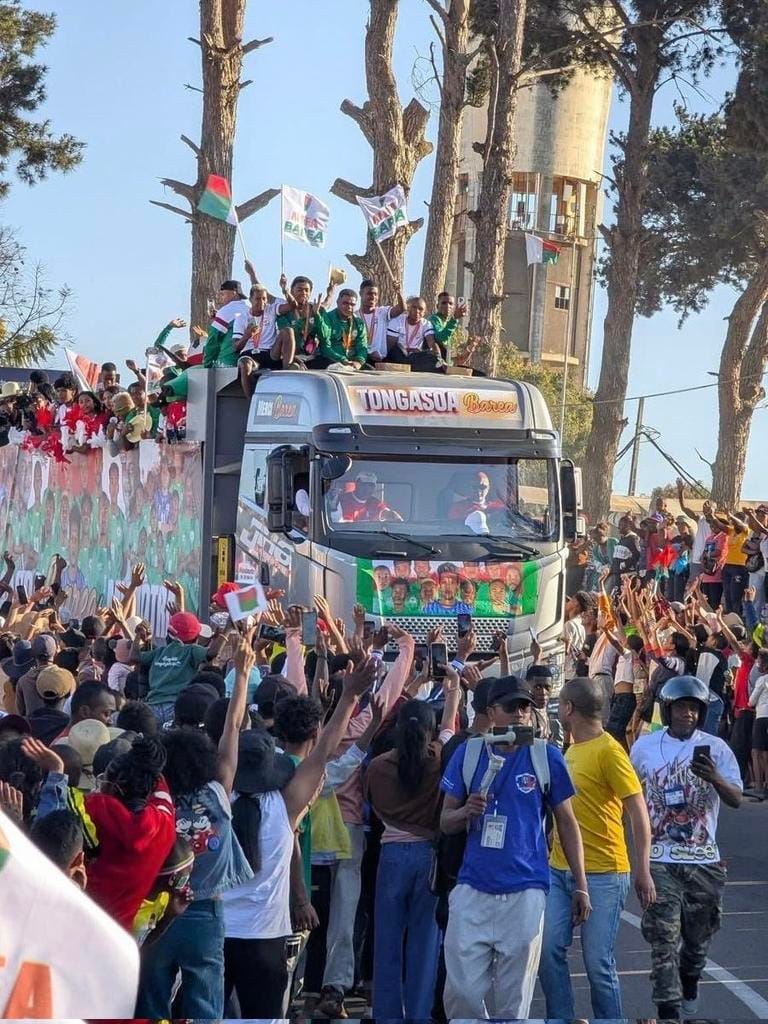
Spanning hours, involving millions, and culminating in national honours, the procession showcased Senegal at its most united. The scale, organization, emotion, and symbolism elevated it beyond celebration into cultural history.
This parade confirmed Senegal’s status not just as champions, but as standard-bearers for modern African football — where success is shared by players, fans, and the nation alike.
Final Whistle
AFCON victory parades are Africa’s purest football expression. They capture raw emotion, collective pride, and national storytelling in motion.
From quiet dignity to uncontrollable euphoria, these moments remind us that in Africa, football does not belong to stadiums alone — it belongs to the streets.
And as Dakar recently showed the world once more, AFCON glory lives longest when it is celebrated together.
Related News
$1.2 Billion, 9 World Cup Spots, and a 2030 Host: Infantino's African Legacy Ranked
Mar 01, 2026
CAF Issues Heavy Sanctions After AFCON 2025 Final Chaos: Senegal and Morocco Punished
Jan 29, 2026
Pape Thiaw’s Suspension: A Stain on Senegal’s AFCON Triumph
Jan 20, 2026