
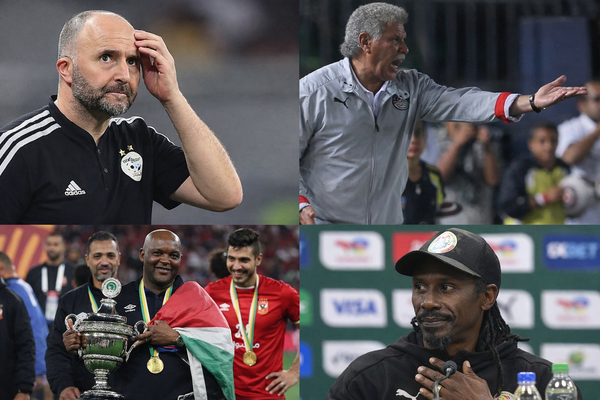

African football is famed for its emotions, style, and memorable experiences on and off the pitch. However, behind each outstanding performance or record victory is a manager or coach whose thoughts, discipline, and leadership drive the club. Throughout the years, African coaches have developed dynasties, revived national and/or club pride, and faced the challenge of rivalries that have changed the way football is played on the continent.
The rivalries do not rest on tactics alone but are also a challenge to personality, philosophies, and pride of territory. Coaches have to maneuver through vast supporter, press, and football institution pressure. From the Africa Cup of Nations to the CAF Champions League to the most prominent club derbies on the continent, managerial rivalries often decide outcomes, careers, and even the style of football played. In this article, I will explain some of the most memorable coach battles in African football history.
"The National Hero vs. The Invading Conqueror": Hassan Shehata (Zamalek) vs Manuel José (Al Ahly)
The Cairo Derby between Al Ahly and Zamalek is one of the most intense rivalries in the Egyptian Top flight football—the Egypt Premier league. The competition entered a new stage in the late 2000s, where Hassan Shehata in Zamalek and Manuel José in Al Ahly led the rivalry.
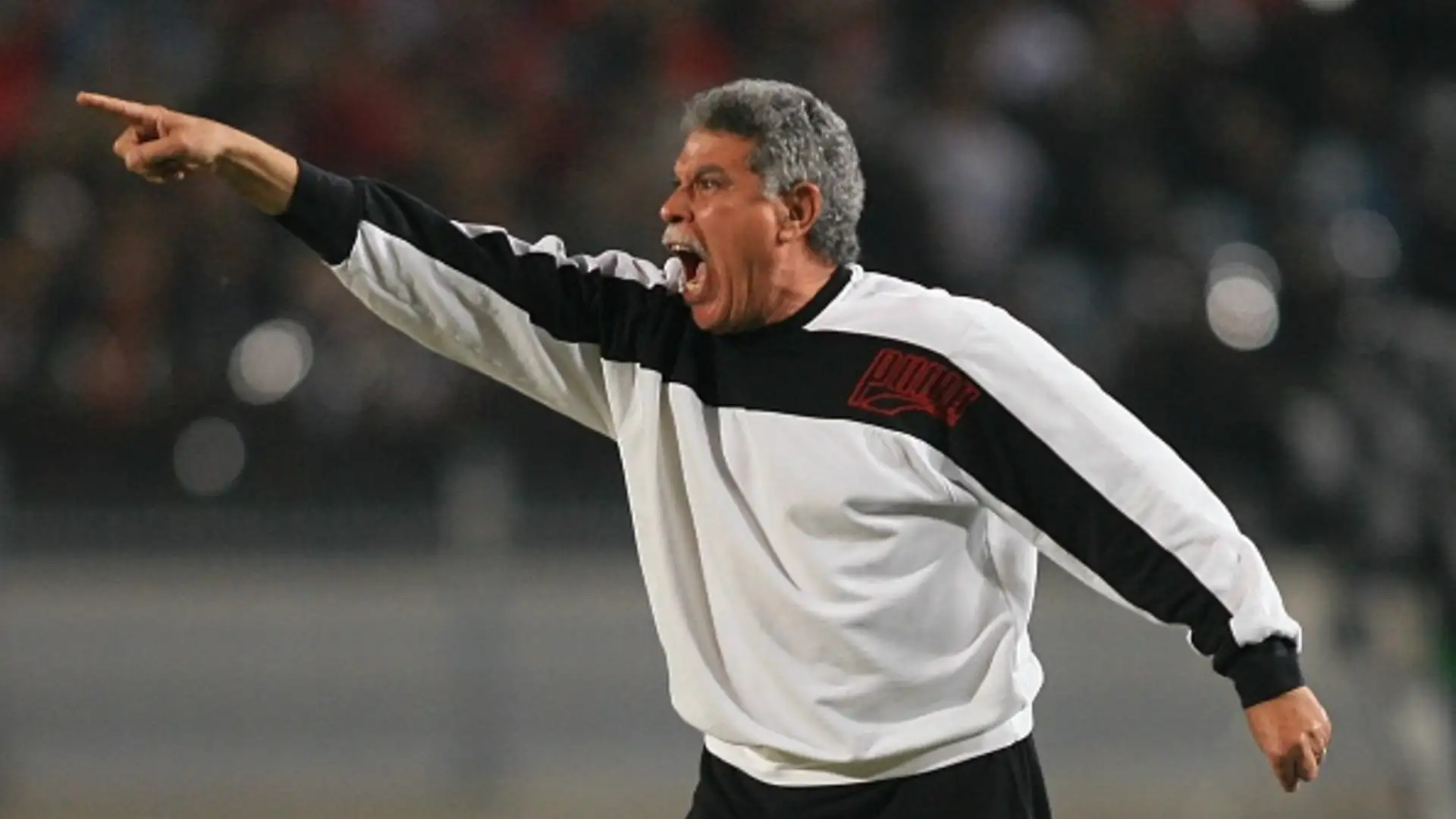
The Egyptian media framed this as a battle for the soul of Cairo. Shehata was the "Son of the Nile," representing the peak of Egyptian coaching pride. In contrast, Manuel José was framed as the "Portuguese General" who had cracked the code of African football. Shehata concentrated on defence and emotional leadership, whereas Jose insisted on attacking football because, according to him, “the best way to defend was to attack.”
Each derby was a battle of tactics, philosophy, and real-time game reading among other aspects for the man in the dugout. Egyptian media and fans looked at each movement, and a slip in any direction would be subject to scrutiny. Victory meant holding heroism; defeat drew criticism. The Shehata-Jose confrontations portrayed the influence of the personality of the coach on one of the most renowned derbies in Africa.
"The Master vs. The Apprentice": Pitso Mosimane (Mamelodi Sundowns) vs Rhulani Mokwena (Orlando Pirates)
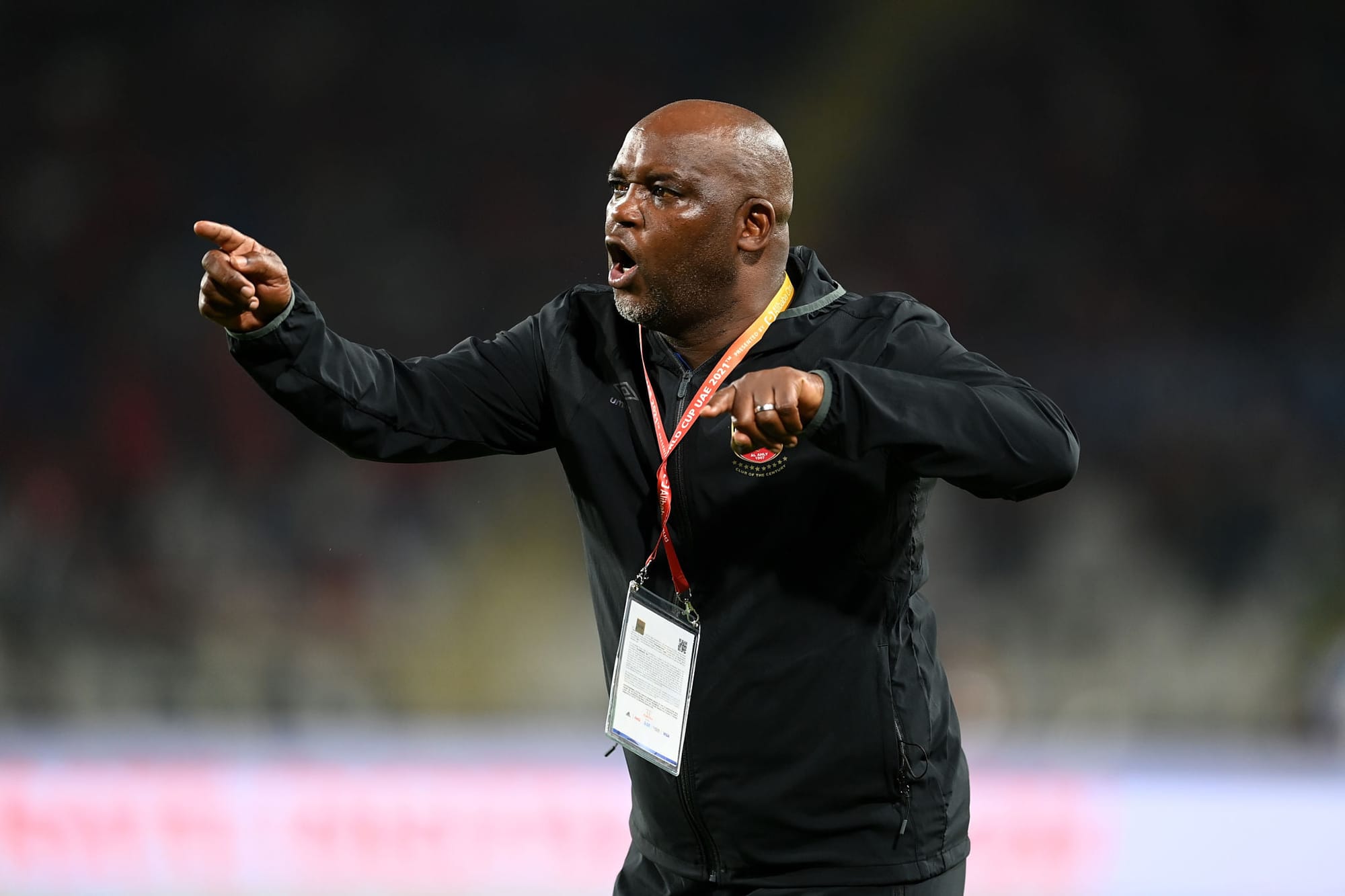
This was perhaps the most cinematic of all rivalries in the history of South African football. Since Mokwena had been associated with Pitso as his assistant, their encounters had been portrayed by the media and even the minds of the fans as a clash between a “student and his teacher.” The minds of soccer enthusiasts had wondered aloud whether Pitso’s greatness was his own doing or if it had been made possible by the preparatory work of Mokwena.
While Mokwena’s Pirates never technically bested Mosimane’s Sundowns, their 0-0 stalemate in 2018 remains a landmark in South African coaching. It was a game where two tactical obsessives neutralized one another perfectly. Mokwena’s intricate 'half-space' rotations met Mosimane’s disciplined defensive block, resulting in a rare African fixture where tactical shape outweighed individual brilliance.
"The Traditionalist vs. The Modernist": Mohammed Fakhir (Raja Casablanca) vs Hussein Ammouta (Wydad Casablanca)
In the case of Casablanca, fans noticed the generational and stylistic differences between the two managers. Fakhir represented the "Raja Style", playing football beautifully, artistically, and flowing like a work of art. Ammouta, on the other hand, represented the modern, the cold and calculating individual who brought "Botola"-style football into a much more physical and result-oriented game. The question for the Moroccan supporters was: do you play beautifully (Fakhir), or do you win at all costs (Ammouta)?
Technical ability and flow-based attacks were prioritized by Fakhir and his teams, whereas Ammouta was focused on tactical stability, physical strength, and strong defence. Games were often narrow with minor decisions. Each change of lineup or tactic could be observed closely by fans and media.
The Fakhir-Ammouta rivalry showed that preparation, discipline, and psychological fortitude are significant to North African football. Their fights solidified the image of Morocco as a centre for the best African coaches.
Aliou Cissé (Senegal National Team) vs Djamel Belmadi (Algeria National Team)
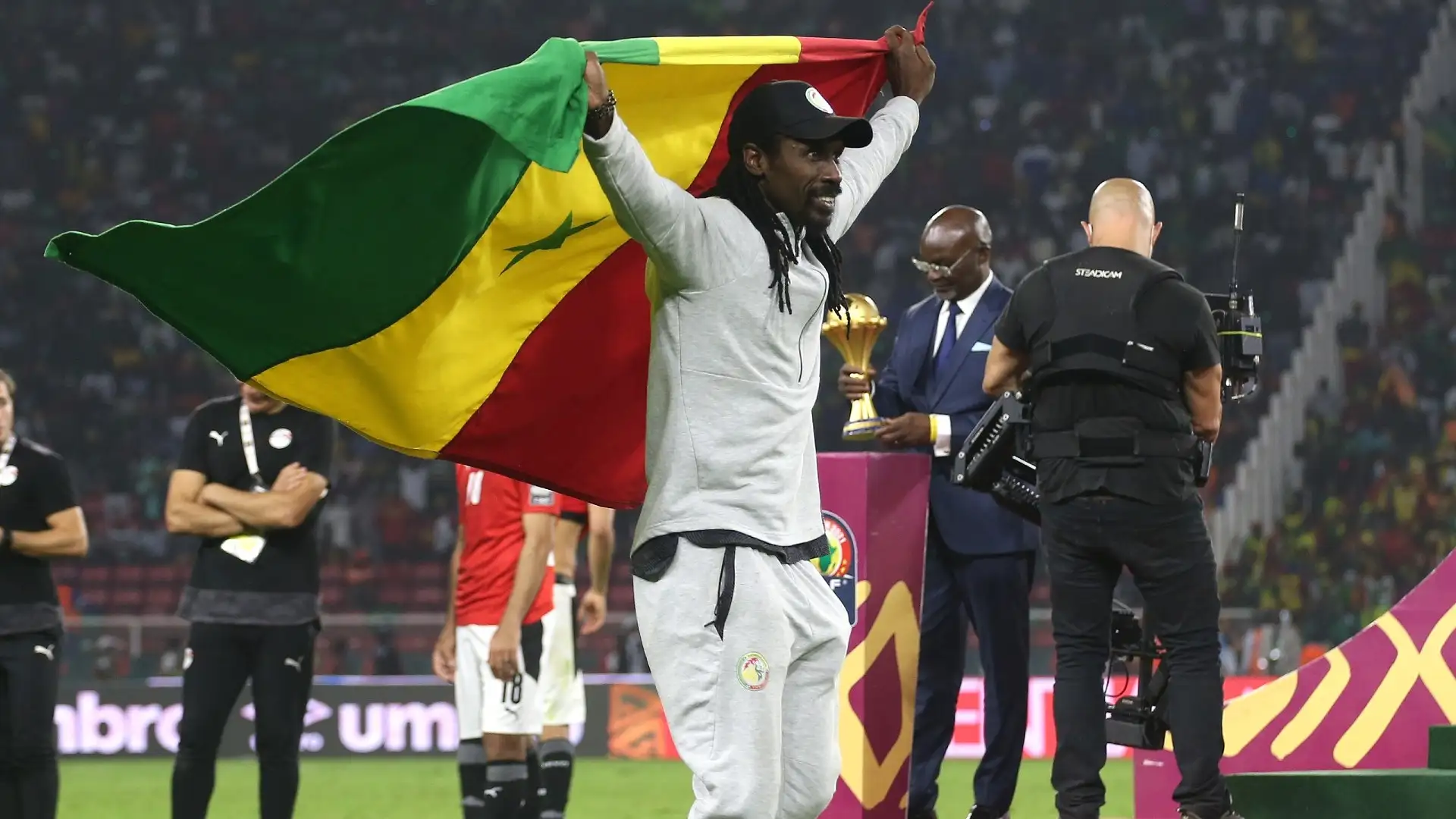
Since both managers had led their respective countries to victory at some point, the media reported the encounter as a "clash of icons". It was portrayed as a high-stakes game of chess between two "local legends" who had returned from their European adventure to set their countries straight. However, the story would change to "Redemption vs. Dominance" after 2019: Could Cissé’s patience finally triumph over Belmadi’s tactical ferocity?
Cisse, who led Senegal since 2015, created a strong and disciplined team. Algeria, under Belmadi, who assumed power in 2018, developed a counter-attacking, flexible defence team. Their competition peaked during the 2019 Africa Cup of Nations final, during which Algeria cruelly defeated Senegal 1-0 to clinch the title. The match was decided by a single goal from Baghdad Bounedjah, who scored in the 2nd minute with a powerful shot that struck the crossbar and went in, leaving Senegal stunned.
Cisse retaliated by reconstructing his team, and Senegal’s heartbreak in 2019 was redeemed three years later at the 2021 Africa Cup of Nations, which was actually held in January 2022 in Cameroon due to pandemic-related delays. In the final, Senegal faced Egypt and won 4–2 on penalties after a 0–0 draw in regular and extra time.
Both are ex-captains of the national teams and contemporary strikers who fuse African football culture with European flair. The battles they fought were never personal ones, but intellectual duels of the highest kind.
"The Pharaoh vs. The Big Boss": Hassan Shehata (Egypt National Team) vs Stephen Keshi (Nigeria National Team)
In 2004, after legendary Hassan Shehata took over the Egyptian national team, he created one of the strongest teams in the history of African football. Through his leadership, Egypt won three successive Africa Cup of Nations in 2006, 2008, and 2010, a feat that will forever be remembered as one of the best performances of the continental competition
In the same period, Stephen Keshi was one of the most influential managerial figures in Africa. Keshi became the head coach of the Nigeria national team after training Togo and Mali and guided the team to win the 2013 AFCON. In that Match, Nigeria defeated Burkina Faso national football team 1–0 in the final, which was held at Soccer City in Johannesburg, South Africa. The only goal of the match was scored by Sunday Mba in the 40th minute, making him one of the few men to win the match as both a player and coach.
According to fans, this was the ultimate "North vs West" power struggle. This was a clash of ideas: Shehata’s Egypt was portrayed as a "symphony" that was perfectly synchronised and strategic. Keshi’s Nigeria, by contrast, was portrayed as a "storm" that was unpredictable, incredibly powerful, and relied only on raw power and willpower.
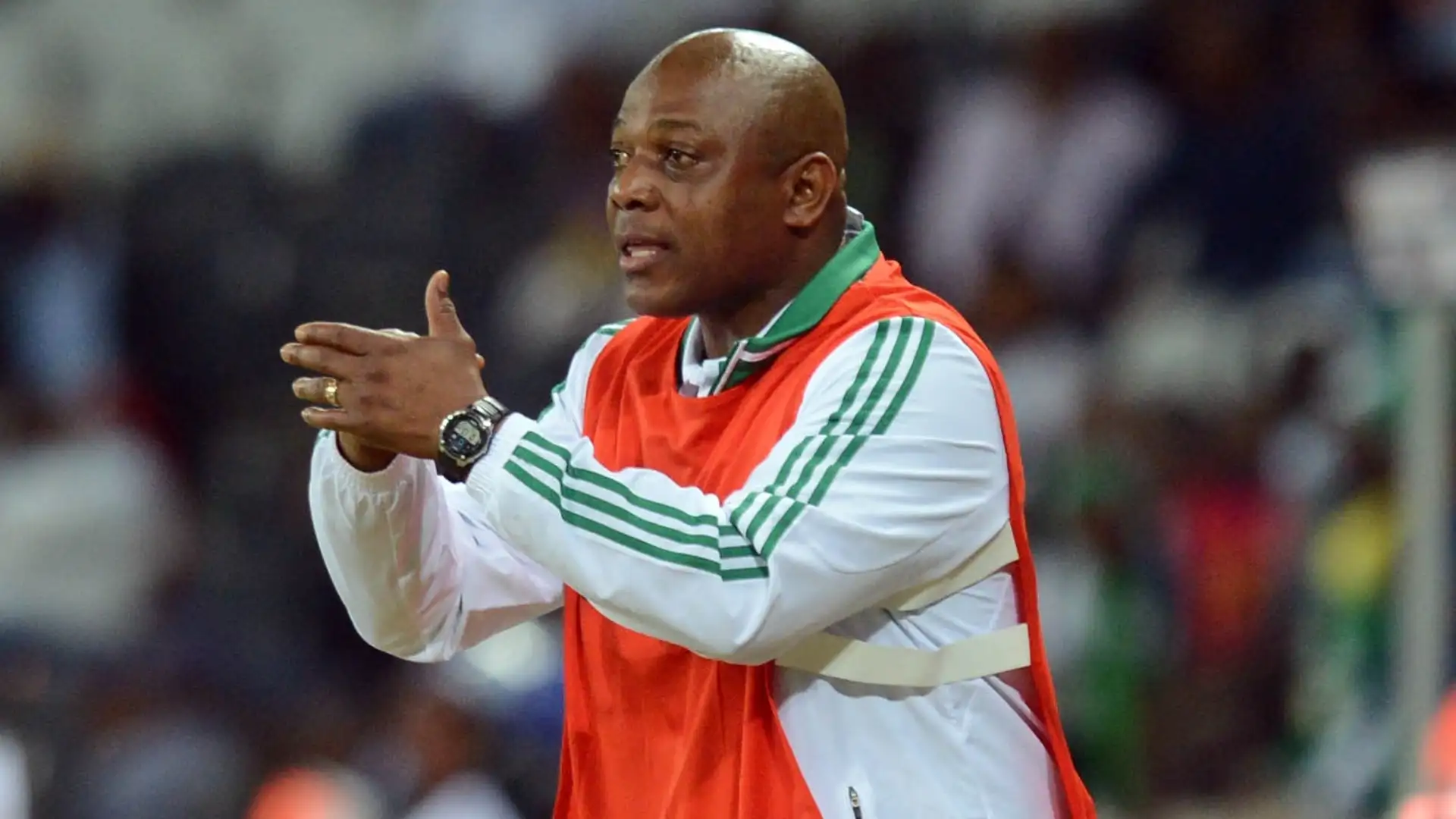
Unfortunately, Stephen Okechukwu Keshi, the “Big Boss,” died on 7 June 2016 at the age of 54 in Benin City, Nigeria after suffering a sudden illness. Keshi was one of only two people in African football history to win the Africa Cup of Nations both as a player (1994) and as a head coach (2013), and he also guided Nigeria to the Round of 16 at the 2014 FIFA World Cup in Brazil.
Rivalries That Shaped African Coaching
While players often dominate memories, it is the managers who shape African football’s narrative. From Cairo to Casablanca and Johannesburg to Dakar, coaching rivalries—between Shehata, José, Mosimane, Mokwena, Fakhir, Ammouta, Cissé, and Belmadi—demonstrated tactical insight, leadership, and mental acuity. Each decision on formations, substitutions, and strategy became defining moments that engaged fans and forged legacies. Today, these battles influence modern African football, inspiring a new generation of coaches to combine vision, courage, and discipline. The touchline often defines outcomes as much as the pitch, proving that leadership remains central to Africa’s evolving football identity.
Related News
Is Mohamed Salah Still Africa’s Most Decisive Forward Ahead of the 2026 World Cup?
Mar 28, 2026
From Gomaa to Koulibaly: The Greatest Centre-Back Partnerships in African Football
Mar 16, 2026
The 10 Greatest African Pundits in 2026
Mar 03, 2026