
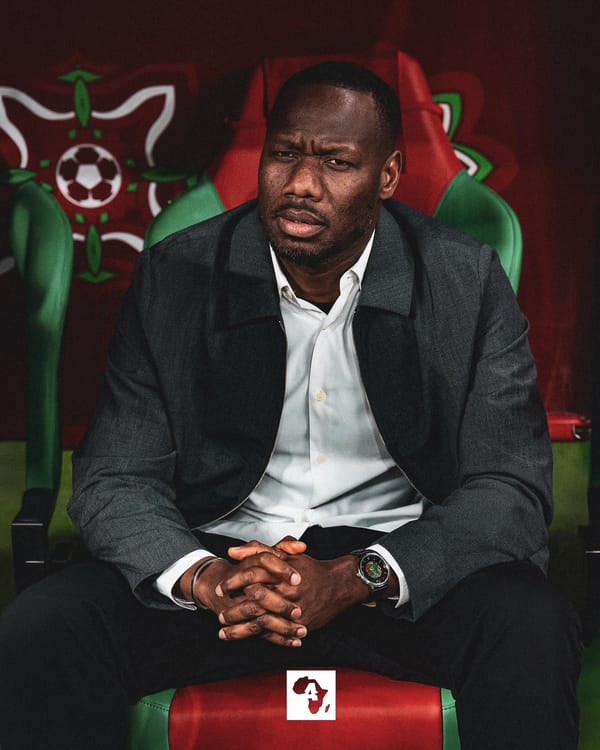

In a dramatic turn of events that has sent shockwaves through African football, Senegal’s head coach Pape Thiaw has been suspended by the Confederation of African Football (CAF) following his controversial actions during the 2025 Africa Cup of Nations (AFCON) final.
The incident, which occurred on January 18, 2026, in Rabat, Morocco, saw Thiaw instruct his players to walk off the pitch in protest against a late penalty awarded to the host nation, Morocco, after a VAR review. This unprecedented move halted the game for nearly 15 minutes, nearly costing Senegal their chance at the title.
Senegal ultimately returned to the field, thanks in large part to captain Sadio Mané, who reportedly defied Thiaw’s orders and urged his teammates to continue.
Morocco missed the penalty, and Senegal went on to win 1-0 in extra time, securing their second AFCON crown. However, the victory was overshadowed by the chaos, with FIFA President Gianni Infantino labeling the behavior “unacceptable” and calling for swift action from CAF.
CAF’s disciplinary committee moved quickly, opening proceedings against Thiaw and imposing what sources describe as an indefinite suspension, alongside fines for the Senegalese federation totaling up to $300,000.
Reports vary on the exact length—some suggest a four-match ban, while others indicate it could extend to the 2026 FIFA World Cup, potentially barring Thiaw from leading Senegal in their opening matches against France and Norway. The coach’s decision was deemed a serious breach of conduct, threatening the integrity of the competition.
Thiaw has since issued a public apology, expressing regret for letting emotions override his judgment during the high-stakes finale. “I acted out of anger,” he admitted, acknowledging the potential consequences.
However, Mané’s role in averting a full disqualification has been highlighted as the true saving grace, with critics pointing out that Thiaw’s apology omitted this key detail.
Reactions across the continent have been mixed. Moroccan outlets and fans view the suspension as justified retribution for unsportsmanlike conduct that disrupted their home final. In contrast, some Senegalese supporters and African media argue it reflects deeper frustrations with refereeing inconsistencies in AFCON, calling the penalty decision “controversial” and the sanctions an “injustice.”
On social media platform X, posts from users like @lemedia100filtr and @Odogwu_Football echo this divide, with some labeling the ban a “gros coup dur” (major blow) for Senegal, while others question CAF’s fairness.
The broader implications for Senegal are significant. As defending AFCON champions and World Cup contenders, the team now faces uncertainty in leadership ahead of the global tournament in North America. This incident also reignites debates on VAR usage and player-coach dynamics in high-pressure matches, prompting calls for reforms within CAF to address officiating transparency.
As the dust settles on AFCON 2025, Thiaw’s suspension serves as a cautionary tale: in the heat of competition, one moment of protest can eclipse a hard-fought victory. Senegal’s football federation has yet to announce an appeal or interim coach, but the eyes of Africa—and the world—remain fixed on how this saga unfolds.
Related News
$1.2 Billion, 9 World Cup Spots, and a 2030 Host: Infantino's African Legacy Ranked
Mar 01, 2026
CAF Issues Heavy Sanctions After AFCON 2025 Final Chaos: Senegal and Morocco Punished
Jan 29, 2026
Top 10 Greatest AFCON Victory Parades of All Time
Jan 22, 2026