Table of Contents
Ivory Coast face Norway today in the round of 32, a fixture that places Emerse Fae's side directly against the player who has already troubled two African defences at this World Cup. Erling Haaland scored twice against Senegal in the group stage, part of a Norwegian campaign that finished second in Group I behind France with a plus-eight goal difference built largely on the Manchester City striker's clinical finishing. Ivory Coast, appearing in their first ever World Cup knockout match across five tournament appearances, now face the unenviable task of containing the player in the form of his life.
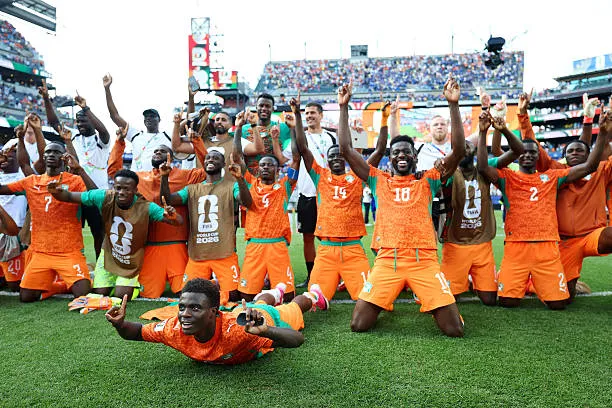
The Elephants arrive at this fixture having already produced the kind of campaign that exceeded most external expectations. Amad Diallo's stoppage-time winner against Ecuador opened their account. A narrow, competitive 2-1 defeat to Germany followed, a result that, despite the scoreline, demonstrated genuine quality against one of the tournament's form teams. A result in their final group fixture sent them through as one of the strongest third-placed and second-placed finishers in the round of 32 picture, completing a qualifying campaign that had already gone unbeaten across ten matches without conceding a single goal.
The Haaland Problem
Norway's entire attacking approach is built around getting the ball to Haaland in positions where his combination of pace, strength, and finishing become close to unstoppable. His brace against Senegal showcased exactly that profile: one goal from a sustained counter-attack exploiting tired legs, another from a clinical finish inside the box that gave Senegal's goalkeeper no chance. Ivory Coast's defensive structure, built around a back line that conceded nothing across qualifying, faces its sternest individual test of the tournament in containing a single player capable of deciding the match in any ninety-second spell.
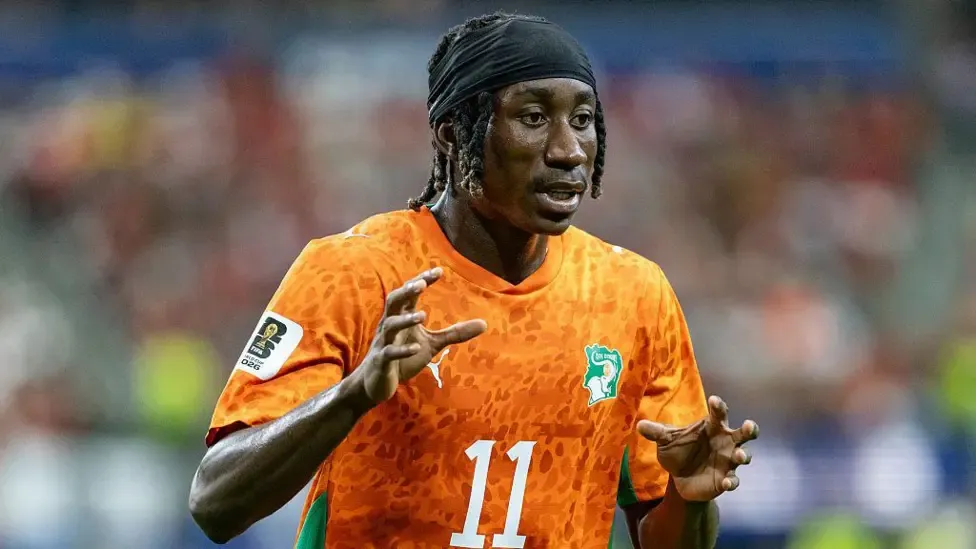
Fae's tactical approach throughout this campaign has favoured defensive resilience for long periods of matches, punctuated by decisive moments from substitutes introduced specifically to change games. That pattern, evident against Ecuador when Diallo's introduction proved decisive, and again across the group stage as Yan Diomande's pace off the bench shifted matches in Ivory Coast's favour, gives Fae a template for today's fixture: stay compact, deny Haaland service, and look for moments to hurt Norway on the counter through the same attacking substitutes who have defined this campaign's biggest moments.
What a Win Would Mean
Ivory Coast have never previously won a World Cup knockout match in five tournament appearances stretching back to 2006. A win today would not just extend their own campaign, it would complete the record for African nations at this World Cup: with Morocco, Egypt, and Ghana all carrying their own knockout-stage ambitions into this week, every additional African win adds to what is already the best collective continental showing in World Cup history. Ivory Coast advancing past Norway would send them to face the winner of France against Sweden, a fixture that, regardless of outcome, would represent uncharted territory for Ivorian football.
The broader context of today's match sits within a tournament that has already delivered more African knockout-stage success than any previous World Cup. Morocco's dramatic penalty shootout win over the Netherlands on Monday extended the continent's round of 32 success rate. Ivory Coast, with the talent and the qualifying pedigree to match anything Morocco have produced, now have the chance to add their own chapter. Haaland stands in the way. So does everything Fae's side has built across this campaign that suggests they are capable of meeting that challenge.