

In Summary:
- Several top African stars will miss AFCON 2025 due to injuries, fitness issues, non-selection, and internal team decisions.
- Key absences are expected to reshape tactics, leadership roles, and group dynamics across the tournament.
- Some omissions highlight the impact of federation politics and squad management, not just on-field performance.
- Despite setbacks, the absences open space for emerging talents to step up and redefine the tournament’s narrative.
Deep Dive!!
Thursday, 18 December 2025– With the Africa Cup of Nations (AFCON) 2025 set to kick off in Morocco on 21 December 2025, coaches and fans are facing one of the tournament’s most unpredictable elements: key player absences and injury setbacks. As final squad lists are submitted and national teams prepare their final tactics, several high-profile stars will be missing the tournament for a variety of reasons, including fitness issues, squad selection decisions, internal disputes, and national team politics. These absentees could not only affect their teams’ chances of advancing deep into the competition but also shift the balance of power across groups and knock-out fixtures.
AFCON traditionally draws in the continent’s elite footballers from top leagues around the world. However, not every marquee name will be present in Morocco this year. Injuries sustained in club competition, tactical exclusions by national coaches, and administrative disputes have all contributed to a list of notable omissions that will reshape expectations. From seasoned veterans and star attackers to influential midfielders and goalkeepers, each absence carries strategic implications, impacting tactical systems, leadership on the field, and the tournament’s overall narrative.
Major Injury Absentees and Fitness Concerns
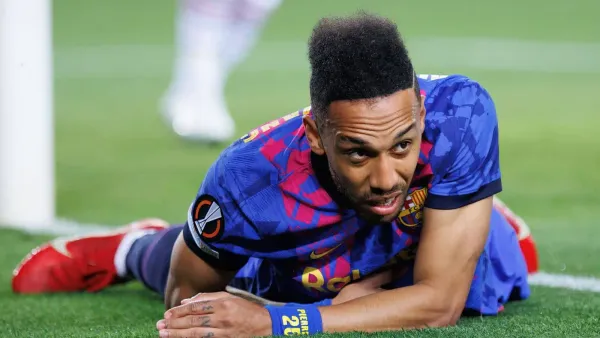
One of the most widely reported injury concerns ahead of AFCON 2025 surrounds Pierre-Emerick Aubameyang, the Gabonese forward and veteran presence. Aubameyang suffered a thigh injury during a Ligue 1 match and will miss Gabon’s opening game against Cameroon, though there is hope he may return later in the group stage if his recovery progresses as planned. The forward’s absence removes a proven goalscorer and leader from a squad already under pressure to advance from a difficult group.
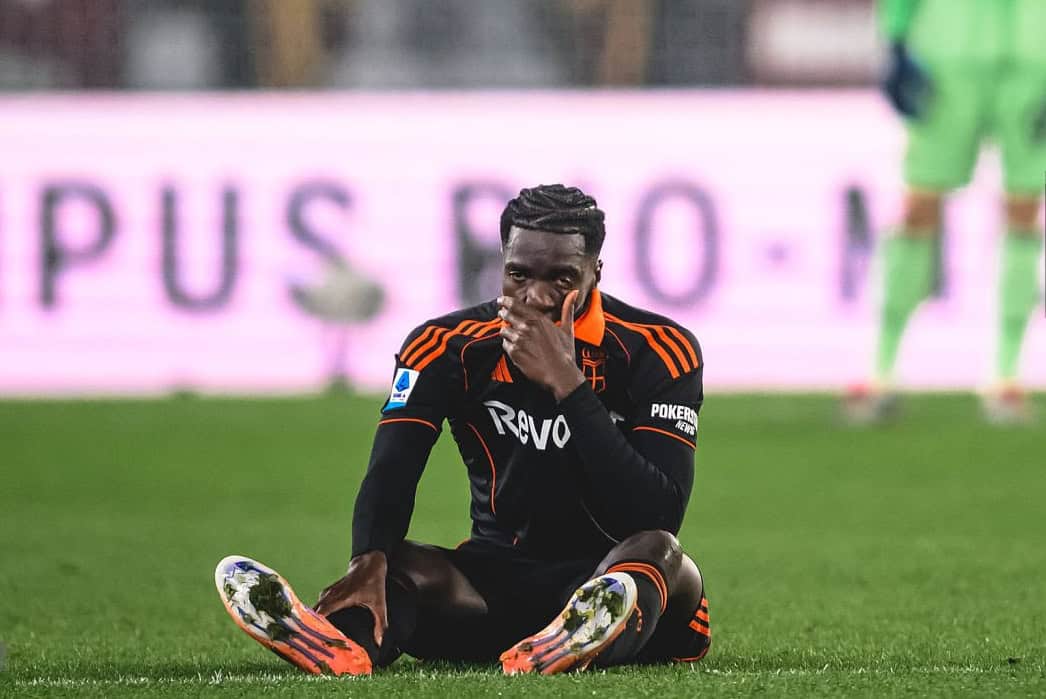
Senegal will also begin the tournament without important attacking options, notably Assane Diao, who sustained a hamstring injury that is expected to sideline him for 6–8 weeks, ruling him out of all AFCON matches. The Senegalese winger, who was aiming to make a major impact in his first Nations Cup, joins other injured players in a squad that must now adapt its offensive strategy. Daily updates note that Senegal’s injury list has frustrated coach Pape Thiaw and supporters alike, as he balances fitness priorities with tactical continuity.
Controversial Omissions and Squad Decisions
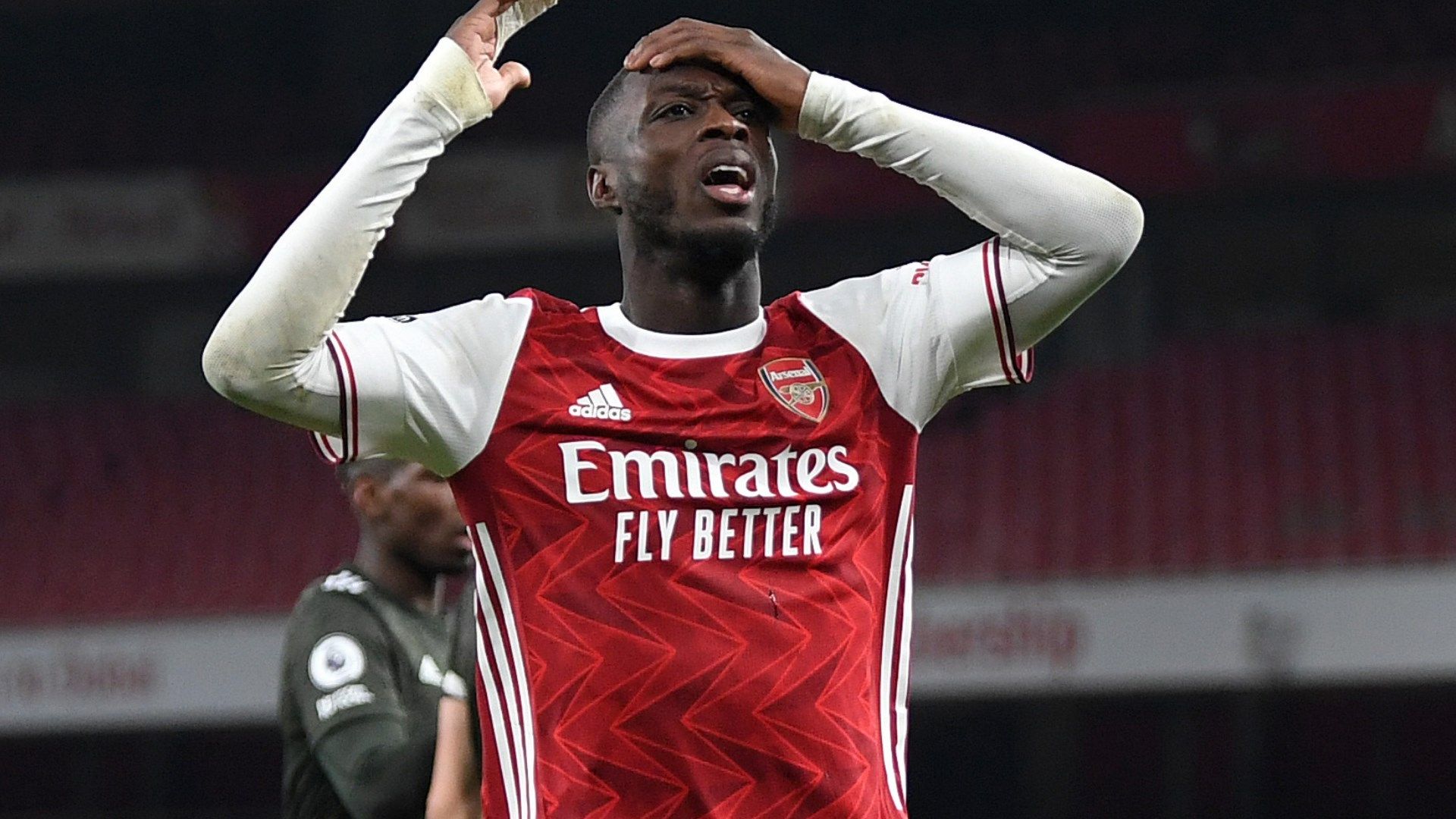
Not all absentees are due to injury. Nicolas Pépé, the Ivory Coast winger enjoying strong club form, was surprisingly left out of his national team’s final 28-man squad. Reports analysing squad selection suggest a combination of tactical preferences and off-pitch considerations influenced coach Emerse Faé’s decisions. Pépé’s quality and European pedigree would have made him a key attacking asset; his absence forces others to fill creative and goal-making roles.
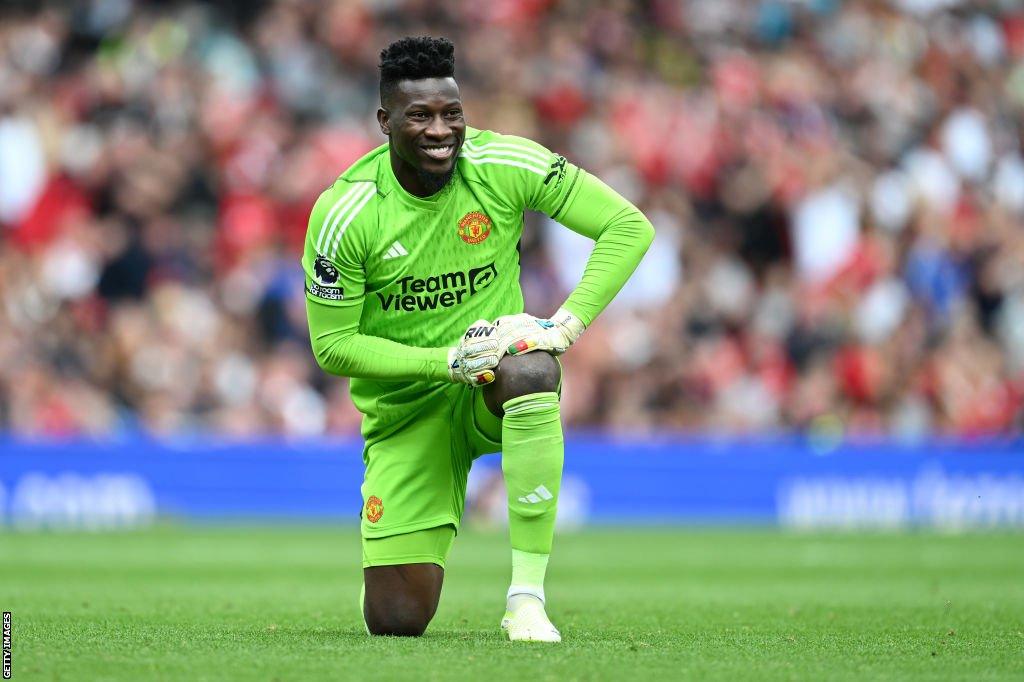
Another major name missing from AFCON 2025 is André Onana, Cameroon’s influential goalkeeper. Onana’s absence stems not from injury but a complex mix of loss of form and internal federation issues that saw him omitted from the squad, a decision that shocked many football analysts given his club performance and reputation. This situation highlights how political and management dynamics within national associations can directly alter a team’s strength ahead of a major tournament.
National Team Exclusions and Fitness Management
Team announcements in the final days before kick-off have also confirmed other notable absentees. Zimbabwe’s squad for AFCON will be missing Marshall Munetsi and Khama Billiat, both left out due to injuries or fitness concerns, weakening the Warriors’ midfield and attacking depth. While coach Marian Marinica remains confident in his remaining squad, losing experienced campaigners inevitably affects tactical options for key group matches.
Hosts Morocco provide a mixed case: their squad includes Achraf Hakimi, recently crowned African Player of the Year, despite a serious ankle sprain suffered in the UEFA Champions League. Head coach Walid Regragui insisted on retaining the defender for his leadership and tactical importance, though Hakimi’s availability for Group A matches remains uncertain. Several other Moroccan players, including Hamza Ighamane and Sofiane Diop, are listed on reserve or omitted altogether due to injury and recovery timelines. The debate over Hakimi’s fitness underscores how teams are willing to balance star power against the risk of reduced match conditioning.
Absentees Due to Form, Eligibility and Team Politics
Beyond injuries, some players miss AFCON due to form issues, non-selection, or internal disputes. For example, Victor Boniface and Kelechi Iheanacho were omitted from Nigeria’s squad, Boniface due to a challenging club season and Iheanacho over fitness concerns, altering Nigeria’s attacking options and prompting media and fan debate about squad balance. Meanwhile, silverware-winning players such as Christantus Uche also miss out due to lack of consistency, despite high club-level visibility.
In some instances, federation politics impact selection. Cameroon’s exclusion of certain players, including former captain Vincent Aboubakar, sparked commentary about administrative influence on sporting decisions. Similarly, discussions about André Onana centre as much on non-sporting issues as technical criteria, revealing how off-field dynamics can shape a team’s competitive landscape at a major event.
Why These Absences Matter
The cumulative effect of these injuries and absentees is significant for AFCON 2025. Matches at this level often have fine margins, and the loss of high-impact players can tilt tactical balance, alter group standings and even determine knockout outcomes. For teams like Senegal and Gabon, missing key attackers refocuses strategies on defensive solidity and midfield creativity. For Morocco, managing Hakimi’s fitness while maintaining squad cohesion becomes both a medical and strategic challenge.
From a spectator and commercial perspective, absentees also influence broadcasting narratives, fan expectations and brand engagement. Africa’s biggest stars often draw global viewership; without them, international exposure and media storylines shift toward emerging talents and tactical intrigue. As AFCON unfolds, new heroes may emerge precisely because established stars are absent, highlighting not just the unpredictability of football but the depth of talent across the continent.
Key confirmed and widely reported absentees include:
- Pierre-Emerick Aubameyang (Gabon, injury)
- Assane Diao (Senegal, hamstring)
- Nicolas Pépé (Ivory Coast, non-selection)
- André Onana (Cameroon, omission)
- Marshall Munetsi & Khama Billiat (Zimbabwe, injuries)
- Hamza Ighamane & Sofiane Diop (Morocco, injuries/omission)
- Kelechi Iheanacho & Victor Boniface (Nigeria, form/fitness)
We value your thoughts. If you have comments or feedback about this article, reach out to our Editor-in-Chief ateditor@dissimilarmedia.com.
Related News
$1.2 Billion, 9 World Cup Spots, and a 2030 Host: Infantino's African Legacy Ranked
Mar 01, 2026
CAF Issues Heavy Sanctions After AFCON 2025 Final Chaos: Senegal and Morocco Punished
Jan 29, 2026
Top 10 Greatest AFCON Victory Parades of All Time
Jan 22, 2026