Table of Contents
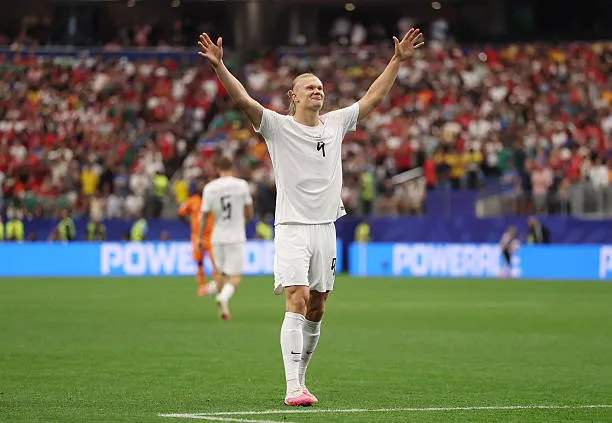
Ivory Coast were one equaliser away from forcing extra time when Erling Haaland settled the argument at AT&T Stadium. Patrick Berg's close-range pass found the Manchester City striker in the 86th minute, and Haaland, with the composure that has defined his entire tournament, finished calmly past Badra Ali Sangare to restore Norway's lead and end Ivory Coast's World Cup. It was a 2-1 defeat. It was the end of the most successful campaign in Ivorian football history. It did not feel like either of those things should be how it ends, but it is.
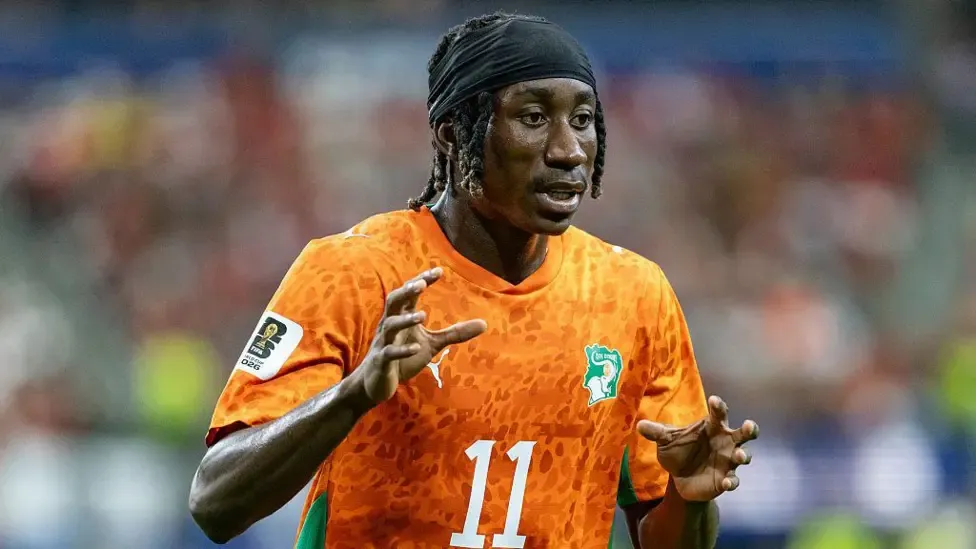
Norway had taken the lead when Antonio Nusa curled a superb right-footed finish into the top corner in the 39th minute after Martin Odegaard's intelligent layoff. It was exactly the kind of counterattacking moment that Ivory Coast had conceded in each of their tighter group matches, the set of circumstances that arrives quickly against high-press opponents when the defensive line pushes higher than it should. For 35 minutes of the second half, Ivory Coast pushed for a response. Then Amad Diallo, who had already produced a remarkable goal-line clearance to deny Torbjorn Heggem in the 68th minute, played a one-two with Nicolas Pepe and finished brilliantly to level at 1-1 in the 74th.
The stadium held for twelve minutes. Then Berg found Haaland. Then the tournament was decided.
What the Clearance Said About This Team
The moment that defined Ivory Coast's character more than any other in this match came five minutes before their equaliser. Diallo, on as a substitute, tracked back to clear Heggem's goal-bound effort off the line with the kind of reading and desire that does not show up in goal tallies. He had been brought on to change the attacking picture. He changed it defensively first. That combination of qualities, the willingness to work in both directions, the composure to execute in the highest-pressure moment of the campaign, is what Emerse Fae built across a qualifying campaign that produced ten matches, eight wins, two draws, and zero goals conceded.
Ørjan Nyland's save in stoppage time, tipping Diallo's curling free-kick away to preserve the win, was the final word on an afternoon where Ivory Coast created enough to deserve more and Haaland provided enough to ensure they did not get it. The Manchester City striker's fifth goal of the tournament takes him to 60 international goals in 53 games and sends Norway into the round of 16 against Brazil. For Ivory Coast, the run is over.
A Campaign That Changed What Is Possible
Ivory Coast's 2026 World Cup will be remembered as the tournament where the Elephants broke through. They qualified for the knockout stage for the first time in five World Cup appearances. They beat Ecuador 1-0 through Amad Diallo's stoppage-time winner. They held Germany to a 2-1 scoreline that, while a loss, showcased a genuine quality advantage at several points of that match. They beat Curacao 2-0 to confirm their progress. They won their first ever World Cup knockout match, in terms of reaching the round of 32. The defeat to Norway is the final chapter but it is not the defining one.
Fae's achievement across this campaign, building on a qualifying run of unmatched defensive solidity and then delivering competitive performances against Germany and Norway at World Cup knockout level, represents a generational shift in what Ivorian football expects of itself at the global stage. The players who scored the goals and cleared the lines in Dallas on Tuesday will form the core of the squad that attempts to qualify for and compete at the 2030 World Cup. The ceiling they have now established is considerably higher than any previous Ivorian generation built.