


In summary:
- Nigeria’s failure to qualify for the 2026 World Cup has significantly narrowed Victor Osimhen’s window to feature at football’s biggest stage during his prime years.
- Age, national team rebuilding cycles, and Africa’s highly competitive qualification process combine to make a future World Cup appearance uncertain despite his elite club career.
- Comparable cases across global football illustrate how even world-class players can miss the World Cup due to timing, team transitions, and structural qualification challenges.
Deep Dive!!
Victor Osimhen stands at the peak of his powers as one of Africa’s most prolific strikers, yet Nigeria’s failure to qualify for the 2026 FIFA World Cup has cast a long shadow over what should be the defining chapter of his international career. At 27, Osimhen is entering the prime years traditionally associated with elite forwards, but the realities of international football, generational change, injuries, and qualification cycles raise a sobering question about whether he may ever grace a senior World Cup stage.
In this exclusive report, we examine the structural, sporting, and timing factors that could deny Osimhen a World Cup appearance, despite his talent and achievements. By comparing his situation with similar cases in global football, and situating Nigeria’s qualification struggles within a broader historical context, the analysis explores how circumstance, not quality, can shape legacy, and how World Cups remain as much about timing and systems as individual brilliance.
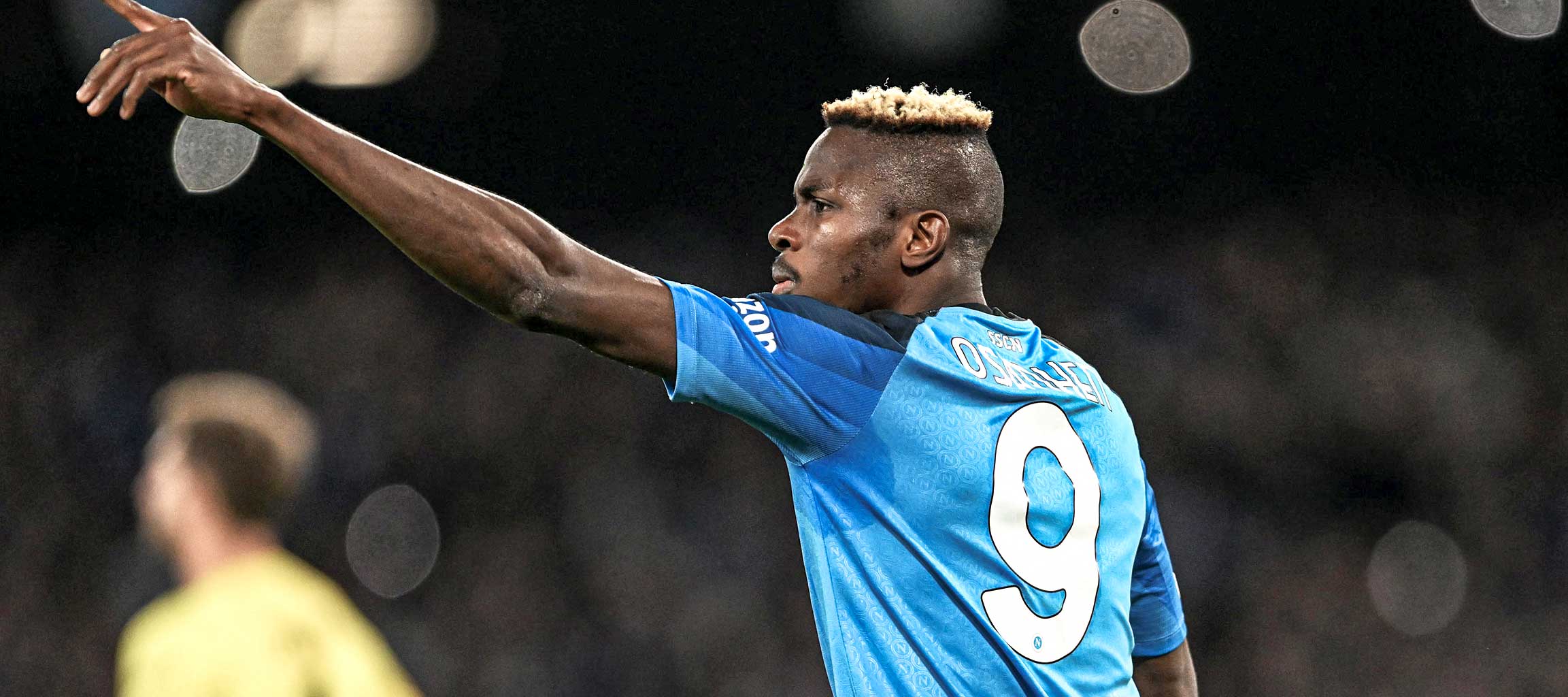
Nigeria’s 2026 World Cup Failure and Its Consequences
Nigeria’s failure to qualify for the 2026 FIFA World Cup has triggered deep concern about the trajectory of one of its brightest football talents, Victor Osimhen. At 27, Osimhen is entering what is traditionally considered the prime years for a centre forward. Missing the expanded 48 team tournament, which offered Africa more qualification slots, represents a major lost opportunity not just for Nigeria but for Osimhen’s international legacy. For elite players, World Cup appearances often define global reputation, historical standing, and commercial value.
Unlike continental tournaments, the World Cup operates on a rigid four year cycle that leaves little room for recovery after failure. For Osimhen, the absence of Nigeria in 2026 removes what should have been his peak tournament window, where physical power, experience, and tactical maturity typically align for strikers.
Age, Timing, and the 2030 Uncertainty
By the time the 2030 World Cup arrives, Osimhen will be 31. While this age is not old in modern football, history suggests that African national teams often begin transitioning away from older forwards at that stage, especially in systems that prioritize pressing intensity and pace. Nigeria has a strong tradition of introducing younger attacking talents early, sometimes at the expense of experienced stars.
In addition, qualification for 2030 remains uncertain. Nigeria has now failed to qualify for two of the last three World Cups, pointing to structural and administrative problems within the football system. Relying on future qualification alone introduces risk that is entirely outside Osimhen’s control.
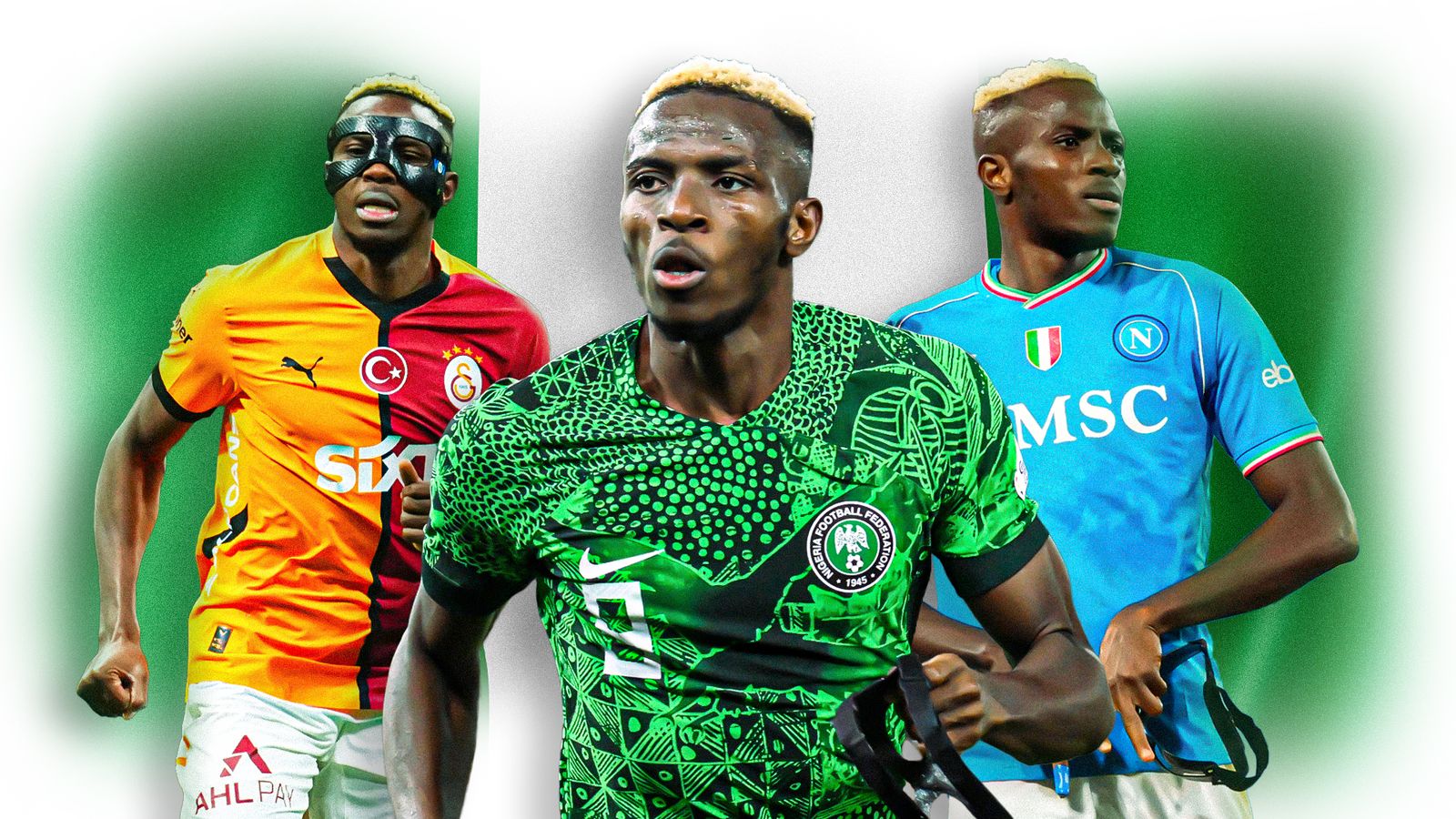
The African Context and Squad Renewal Trends
African football history is filled with elite players who never appeared at a World Cup due to timing and national instability. George Weah, Africa’s only Ballon d’Or winner, never played at a World Cup because Liberia failed to qualify during his prime. Similarly, Pierre-Emerick Aubameyang missed multiple World Cup cycles despite club success, due to Gabon’s limitations.
Nigeria itself has examples. Players such as Obafemi Martins and Ikechukwu Uche enjoyed strong international careers but had limited or no World Cup impact because of age, injuries, or team transitions. Osimhen risks falling into a similar category, remembered as a world class striker without the sport’s biggest stage appearance.
Injuries and Availability Concerns
Osimhen’s career has also been shaped by injury interruptions. Facial fractures, muscle issues, and recovery periods have occasionally sidelined him during critical international windows. While none have permanently reduced his quality, availability is crucial in World Cup qualification cycles, where missing two or three key matches can derail an entire campaign.
National team coaches often favor players who are consistently available over those managing recurring fitness issues, especially when younger alternatives emerge.
Club Success Versus International Legacy
At club level, Osimhen has already secured his place among Africa’s elite. His Serie A title with Napoli, his consistency with his new club, Galatasary, and consistent scoring in Europe have elevated him to global recognition. However, football history shows that club success does not always translate into international fulfillment. World Cups carry a unique symbolic weight that even Champions League titles cannot fully replace.
Without a World Cup appearance, Osimhen’s international profile may remain incomplete, particularly in debates comparing him with African greats such as Didier Drogba or Samuel Eto’o, both of whom played on the world stage.
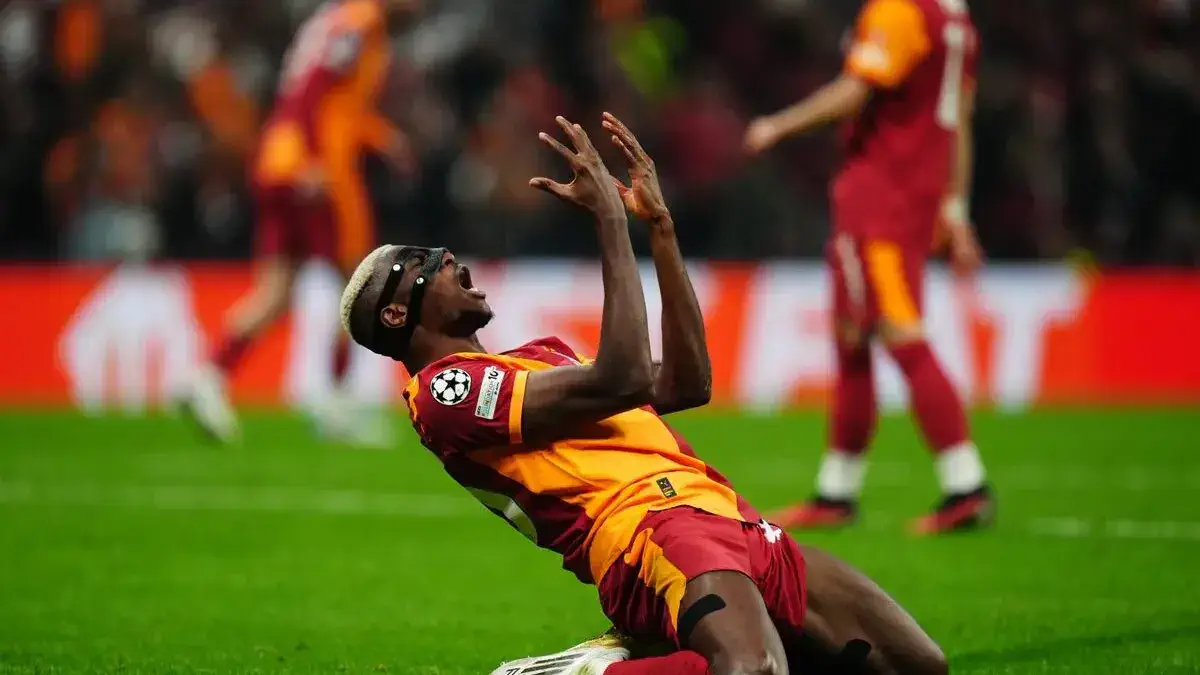
Victor Osimhen’s Exploit at Galatasaray
Victor Osimhen’s time at Galatasaray has been marked by prolific goalscoring, record-breaking achievements, and decisive contributions to the club’s success in domestic and continental competitions. After joining Galatasaray on loan from Napoli ahead of the 2024-25 season, Osimhen quickly established himself as the team’s focal point in attack. He notched over 30 goals across all competitions, including reaching his 33rd goal of the season in April 2025 and surpassing legendary club figures such as Mauro Icardi and Bafétimbi Gomis for the most goals in a season by a foreign player. These contributions helped Galatasaray secure the Turkish Süper Lig title and the Turkish Cup, with Osimhen scoring key goals in both competitions and becoming a fan favourite at Rams Park in Istanbul.
Beyond his goal tally, Osimhen has also been influential in European competition, scoring important goals in the UEFA Champions League, including decisive strikes in Galatasaray’s notable 1-0 win over Liverpool in late 2025. His ability to perform on both domestic and continental stages has drawn comparisons with elite forwards worldwide, earning him spots in expert lists of top strikers and nominations for major individual awards. While his statistics in the 2025/26 Champions League show strong attacking output with goals and chances created, the broader picture of his influence lies in his consistency, leadership on the pitch, and capacity to carry Galatasaray’s attacking threat across different competitions.
Can the Story Still Change?
While the outlook appears uncertain, football rarely follows a fixed script. Late career World Cup debuts have happened before, especially with improved sports science extending player longevity. If Nigeria stabilizes its football governance, qualifies for 2030, and Osimhen maintains elite form into his early thirties, a World Cup appearance remains possible.
However, based on age curves, qualification instability, and historical precedent, the risk is real. Victor Osimhen may ultimately be remembered as one of Africa’s finest strikers who, through timing and circumstance rather than talent, never played in a senior FIFA World Cup tournament.
We value your thoughts. If you have comments or feedback about this article, reach out to our Editor-in-Chief at editor@dissimilarmedia.com.
Related News
History Overturned: Caf Strips Senegal Of Afcon Crown, Morocco Crowned Champions After Extraordinary Final Walkout
Mar 17, 2026
CAF's WAFCON Crisis Is Not Just a Scheduling Problem — It's a Statement About How Africa Values Its Women
Mar 05, 2026
The 7 Biggest Football Broadcasters in Africa in 2026
Mar 02, 2026