In Summary:
- AFCON 2025 runs from 21 December 2025 to 18 January 2026 in Morocco across 9 stadiums in six cities.
- The tournament features 24 teams in six groups, with the top sides moving into the knockout stages.
- Rabat’s Prince Moulay Abdellah Stadium will host the opening match and final.
- Star power, tactical intrigue and national pride make AFCON 2025 a must watch on the global football calendar.
Deep Dive!!
Wednesday, 17 December 2024 – The 2025 Africa Cup of Nations (AFCON) is set to captivate the continent and global football fans alike when it kicks off in Morocco on December 21, 2025, and runs through to January 18, 2026. This 35th edition of Africa’s premier national team tournamentbrings together 24 countries competing across nine world class stadiums in six Moroccan cities, delivering one of the most eagerly anticipated events on the football calendar.
Originally scheduled earlier in the year, CAF chose the December–January window to align with global club schedules and reduce conflicts with European leagues while maximizing viewership during the festive period. Hosting duties in Morocco came after Guinea’s withdrawal due to infrastructure concerns, with Moroccan authorities stepping up to provide multi venue readiness and logistical excellence ahead of the continental showpiece.

Tournament Format and Group Structure
AFCON 2025 follows the expanded 24 team format introduced in 2019, divided into six groups (A–F) with four teams each. The group stage will produce a total of 36 matches, with the top two teams from each group plus the four best third placed sides progressing to the knockout stage, leading into the Round of 16, quarter finals, semi finals and ultimately the grand final in Rabat.
Here’s the confirmed group lineup:
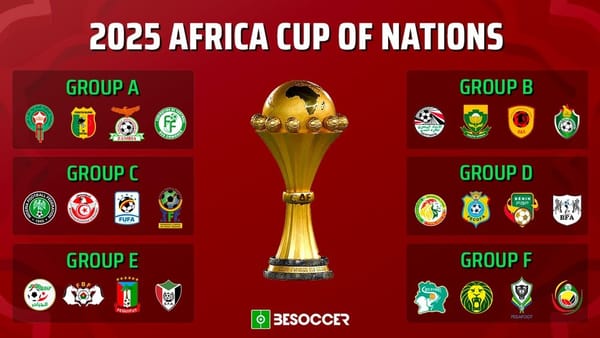
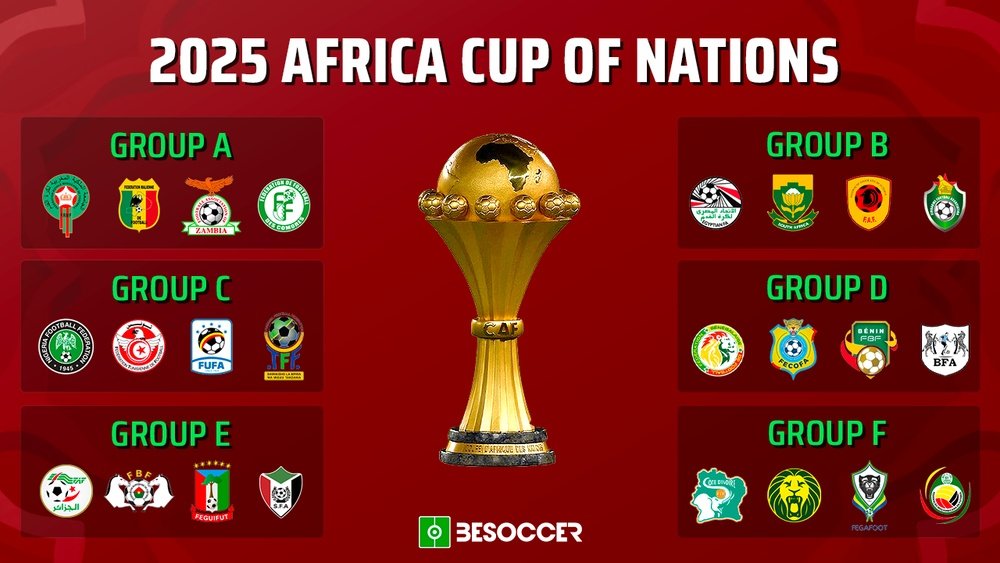
- Group A: Morocco, Mali, Zambia, Comoros
- Group B: Egypt, South Africa, Angola, Zimbabwe
- Group C: Nigeria, Tunisia, Uganda, Tanzania
- Group D: Senegal, DR Congo, Benin, Botswana
- Group E: Algeria, Burkina Faso, Equatorial Guinea, Sudan
- Group F: Côte d’Ivoire, Cameroon, Gabon, Mozambique
The schedule promises compelling encounters from the opening fixture, hosts Morocco versus Comoros, through to decisive clashes like Nigeria vs Tunisia and heavyweight ties such as Senegal vs DR Congo.
Venues and Logistics
Matches will be staged across nine stadiums in six Moroccan cities, a spread designed to showcase both the nation’s football culture and its hospitality. The Prince Moulay Abdellah Stadium in Rabat will host the opening match and the final, serving as the centerpiece of AFCON 2025. Other key venues include Ibn Batouta Stadium (Tangier) with its large 75,000 capacity, Mohammed V Stadium (Casablanca) and facilities in Marrakech, Agadir and Fez.
Morocco’s preparation has also included broadcast innovation, with the national broadcaster deploying advanced camera systems such as Spidercam across all venues to enhance global viewing, a first in AFCON history.
Teams, Storylines and What to Watch
A mix of perennial powerhouses and rising nations ensures AFCON 2025 will brim with storylines. Defending champions Côte d’Ivoire seek to retain the trophy they clinched in Ivory Coast, while Egypt, Africa’s record seven time winner, aims to reclaim lost glory. Senegal and Cameroon, with deep footballing pedigrees, will test their squads amid intense competition. Young teams such as Mozambique and Comoros hope to spring surprises on the big stage.
Individual narratives also add spice: Morocco’s injury management for star full back Achraf Hakimi signals home turf determination, and veteran players like Pierre Emerick Aubameyang have seen their fitness and squad roles closely watched as the tournament unfolds.
Broadcast, Tourism and Cultural Impact
AFCON’s significance goes beyond sport, it fuels economic activity, tourism and cultural exchange. Broadcasters across Africa and international markets have secured rights, and platforms are offering streaming to global audiences, helping expand the tournament’s reach beyond the continent.
The festive timing, spanning Christmas and New Year, is expected to enhance fan engagement and showcase Morocco’s appeal as a destination. Football centric travel and tourism projections suggest a strong influx of visitors with multi match attendance packages, local hospitality promotions, and cultural showcases tied to the event.
We value your thoughts. If you have comments or feedback about this article, reach out to our Editor-in-Chief ateditor@dissimilarmedia.com.


Related News
$1.2 Billion, 9 World Cup Spots, and a 2030 Host: Infantino's African Legacy Ranked
Mar 01, 2026
CAF Issues Heavy Sanctions After AFCON 2025 Final Chaos: Senegal and Morocco Punished
Jan 29, 2026
Top 10 Greatest AFCON Victory Parades of All Time
Jan 22, 2026