Table of Contents
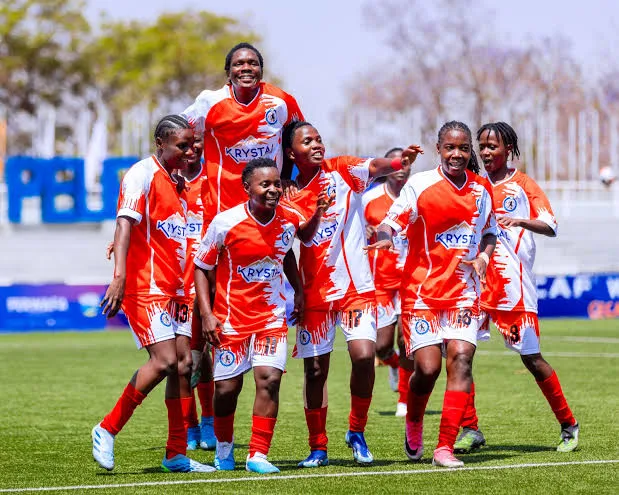
The draw was conducted at the FIFA headquarters in Zurich on Thursday, August 20. South Africa and Ghana, the two CAF nations who failed to qualify automatically from WAFCON 2026, now know the specific route they must navigate to reach the 2027 Women's World Cup in Brazil. The preliminary phase of the play-off tournament runs from November 24 to December 5, 2026, at a centralised venue FIFA is yet to confirm. Six teams, nine matches, the top two finishers advance to the final phase in February and March 2027. The team that finishes that process inside the qualification places goes to Brazil. The team that does not goes home with no further opportunity to qualify.
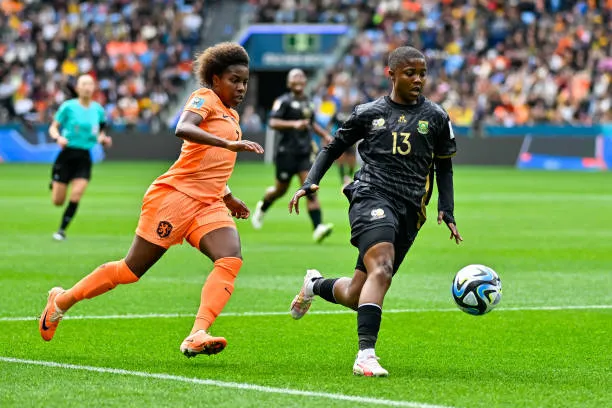
South Africa will play Chinese Taipei in their opening match, then Ecuador, then Uzbekistan. Ghana will play Ecuador first, then Uzbekistan, then Papua New Guinea. The two African sides do not face each other: the draw procedures separated them by confederation rules. They are effectively competing in the same six-team pool for the same two advancement places, which means every match result from every team in the preliminary phase will matter for both South Africa and Ghana's qualification arithmetic. This is not a straightforward pathway. Desiree Ellis said it plainly after the draw: it is not an easy draw but it is doable provided we get off on a good start.
The Opponents and Their Rankings
Chinese Taipei, ranked 40th in the latest FIFA women's rankings, are South Africa's opening opponents and the highest-ranked side in the preliminary phase. They are three-time Asian champions and have competed at the Women's World Cup before, reaching the quarter-finals at the inaugural 1991 edition. South Africa are ranked 57th. The opening match is therefore an encounter against a side ranked seventeen places above them, at a centralised neutral venue, with Brazil on the line. Ellis has been explicit about the importance of that first game: she said the first match is the most important because failure makes everything harder, and that there is no margin for error.
Uzbekistan, ranked 51st, are another Asian side above South Africa in the global standings, and will be the third opponent for Banyana. Ecuador, ranked 61st, appear in both South Africa's and Ghana's draw, creating a shared fixture that will generate direct comparison between the two African programmes. Papua New Guinea, the OFC representative, are Ghana's third opponents. The Black Queens coach will have noted that Papua New Guinea, though the lowest-ranked side in the preliminary phase, ended Zambia's hopes at the 2023 Women's World Cup by holding them to a draw in a crucial group stage match. In playoff football, the ranking differential is not the only number that counts.
What South Africa Carry Into November
Banyana Banyana arrive at this playoff carrying a specific confidence boost that the draw has landed on: a 2-1 victory over Nigeria in the WAFCON quarter-final play-off pathway, the result that secured their place in the inter-confederation process. Beating Nigeria, the continent's most decorated women's programme, in a match where both sides were fighting for the same World Cup route, is the kind of result that shapes a squad's belief in the months between tournaments. Ellis has said the players were eager to know the draw and are looking forward to the matches. The preparation window between now and November is where South Africa will do the homework on Chinese Taipei, Ecuador and Uzbekistan that Ellis has described as the essential next step.
For Ghana, the draw produces the same fundamental challenge in a different sequence. The Black Queens are searching for a new head coach after their WAFCON exit, a vacancy that needs to be filled before the November window to give any new appointment meaningful preparation time. Ghana facing Ecuador in their opening match is the most straightforward entry point of any team in the draw, but Uzbekistan in the second match is a stiffer test than the ranking gap suggests, and the coaching uncertainty is the variable that neither the draw nor the ranking positions can account for. The preliminary phase begins in ninety-three days. Both African programmes know what they need to do. The work starts now.