Table of Contents
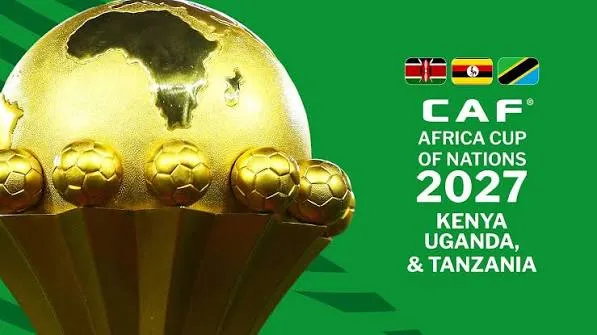
Two things define African football's September agenda. The first is the AFCON 2027 qualification campaign, which opens this month with matches across all six CAF zones and brings the three East African co-hosts their first competitive fixtures in the build-up to the tournament they are staging next June. The second is the countdown to October 8, the date confirmed by the Court of Arbitration for Sport for the hearing in the case of the Senegalese Football Federation against CAF and the Royal Moroccan Football Federation. The AFCON 2025 trophy has no confirmed owner that both sides recognise. That situation does not change before October 8. What changes in September is the competitive football picture around it.
The AFCON 2027 qualification groups were structured in September to give teams across the continent their first competitive matches of the new cycle. Kenya, Tanzania and Uganda, as co-hosts, qualify automatically and do not participate in the qualifying groups as contestants. Their September matches are friendly internationals rather than competitive qualifiers. Nevertheless, the first matches of September for both Harambee Stars and the Taifa Stars carry the symbolic weight of the approach toward a tournament that arrives in nine months. Every performance, every squad selection, every coaching decision made in the period between now and June 2027 will be read through the AFCON 2027 lens by the football publics of all three nations.
The Qualification Landscape
The competitive action in September belongs to the 44 nations who must qualify for AFCON 2027 across the 24-team field. The groups were drawn in Johannesburg in July, and the first matchdays take place across the continent during the September international window from September 5 to 9. Nigeria, the Super Eagles men's programme under Eric Chelle, open their campaign in Group I against one of the continent's lower-ranked sides, giving the new coach a first meaningful test of whether the experimental B-squad approach he used in the Unity Cup translates into competitive qualification football. Ghana, still without a confirmed head coach following the women's programme's WAFCON exit and the men's ongoing search, face their first Group H fixture with a caretaker setup that the federation has not yet formalised. Egypt open in Group G under new coach Hossam Hassan with the specific pressure of a programme that led Argentina 2-0 with eleven minutes remaining at the World Cup and still lost. The late-game management question that has followed Egyptian football across multiple tournaments will be tested again in competitive football from September onwards.
Morocco, the AFCON 2025 champions pending the CAS ruling, open their Group D campaign in a position of institutional ambiguity: they hold the trophy, they hold the CAF official record, and they face a hearing in five weeks that may or may not change both. Regragui has managed that uncertainty publicly with the composure of a coach who understands that legal processes and football preparation are separate calendars. Morocco will play September qualification football as AFCON 2025 champions. Whether they remain so after October 8 is not a question the September matches will answer.
October 8: What the CAS Hearing Is and What It Is Not
The hearing on October 8 at CAS headquarters in Lausanne is the first time the legal arguments in the case will be made orally before the arbitration panel. Both sides have submitted their written briefs. Senegal has argued that Articles 82 and 84 of the AFCON regulations, which CAF applied to declare the result a 3-0 forfeit in Morocco's favour, were not designed to apply to a match that was completed in full. Morocco and CAF have argued the articles are clear and were correctly applied. The panel of three independent arbitrators will hear both positions on October 8 and then retire to consider their decision. A verdict will follow at a later date: CAS has not specified when.
Legal experts cited across multiple sports law publications have characterised Morocco's position as regulatorily strong, noting that CAS typically defers to governing body decisions that apply their own regulations correctly and that the burden of proof rests with Senegal to demonstrate CAF committed legal or procedural errors significant enough to justify reversal. That analysis may prove accurate. It may not. CAS is not bound by precedent in the way national courts are, and the specific question of whether forfeit regulations apply to a completed match is one the court has not previously addressed in an identical context. The October 8 hearing is the beginning of the verdict process, not the end of it. Sport Blot will carry the result and its full implications the moment CAS publishes.