Table of Contents
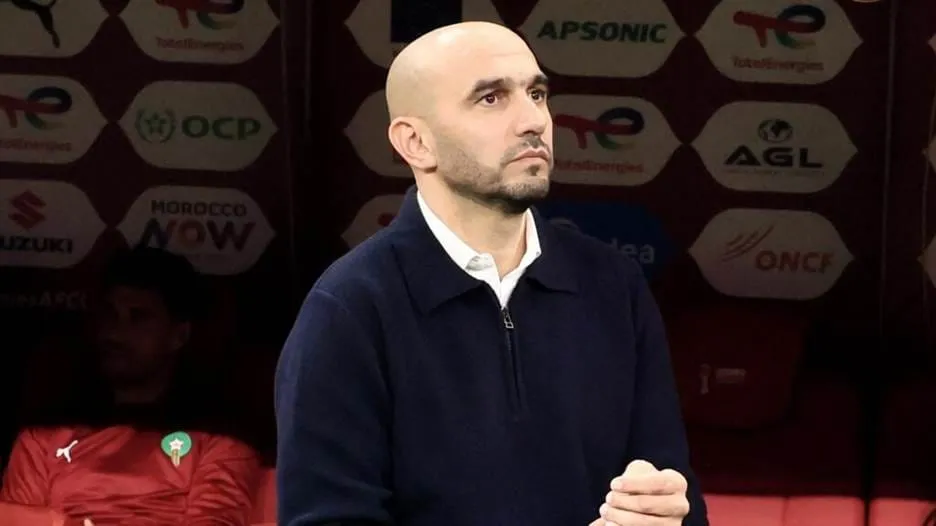
Walid Regragui’s resignation as Morocco's head coach, announced less than 100 days before the 2026 FIFA World Cup, has sent a ripple far beyond Rabat. It is the kind of moment that forces a pause, not just for Moroccan football, but for the entire continent. In an era where African teams have fought for recognition on the global stage, Regragui did more than compete. He redefined what was possible. His departure creates a vacuum that goes deeper than the search for a successor, marking the exit of a figure who transformed belief into performance at the peak of expectation. This is not just a managerial change; it is a turning point that invites reflection on legacy, progress, and the fragile nature of success in modern football. As Morocco prepares for another World Cup challenge, the shadow of what has just ended may prove as significant as what lies ahead.
A Coaching Record That Redefined African Football
Measured purely by results, Regragui’s tenure stands among the strongest in African football history. His appointment in August 2022 did not come in isolation. Just months earlier, he had led Wydad Casablanca to the CAF Champions League title, establishing himself as the reigning African club champion at the time he took over the national team. That success provided both credibility and momentum, allowing him to implement his ideas at international level with immediate authority.
According to estimates from Morocco World News, he oversaw 49 matches, delivering 36 wins, 8 draws, and just 5 defeats, an extraordinary level of consistency at the international level. Additional reporting from Foot Africa approximates that Morocco scored 100 goals while conceding only 21, reflecting a balance between attacking efficiency and defensive discipline.
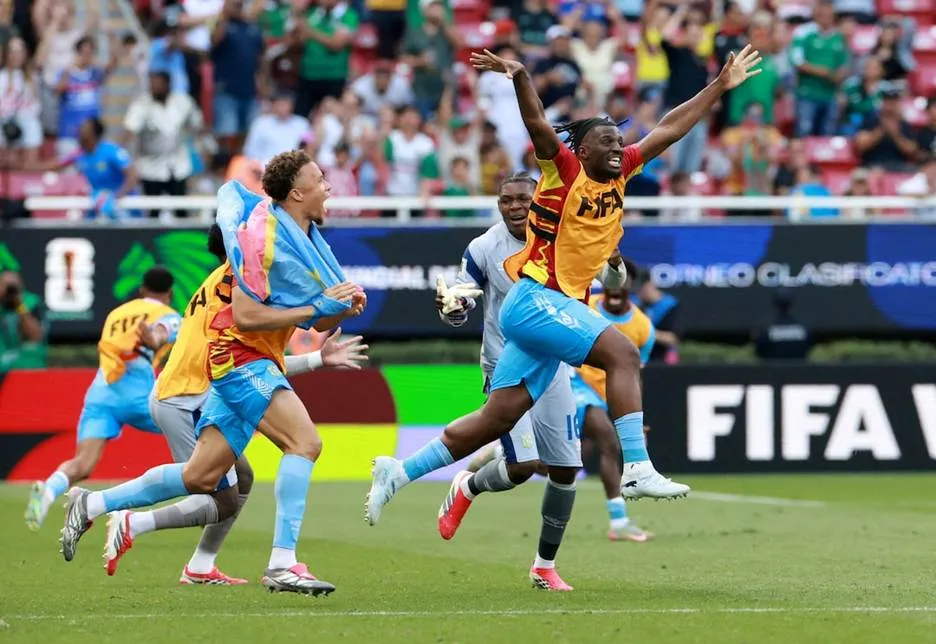
Yet statistics alone do not fully capture his influence. His defining moment came at the 2022 World Cup, where Morocco became the first African and Arab nation to reach the semi-finals. That run altered global perceptions. African teams were no longer seen as occasional disruptors. Under Regragui, they became credible contenders.
The tactical identity he built was equally significant. Morocco combined structured defending with rapid counterattacks, defeating established football powers including Spain and Portugal. It was not just success. It was controlled, repeatable performance.
Why Regragui Walked Away Before the World Cup
Despite this success, the decision to resign came at a moment of both expectation and pressure. Morocco had just fallen short in the 2025 Africa Cup of Nations final, losing to Senegal in a result that intensified scrutiny around the team’s trajectory.
Regragui himself framed the decision as part of a natural cycle in elite football. Speaking at a press conference as reported by CAF Online, he explained, “The team needs a fresh face, a different energy, and a new perspective with a new coach.” He added, “I think the team needs a new lease of life before the World Cup, a new vision to continue progressing. My decision to leave is part of this team’s evolution.”
This reasoning reflects a broader reality of modern football. Success raises expectations to levels that become difficult to sustain. What was once historic becomes the new minimum standard.
At the same time, reports cited by Foot Africa suggest internal tensions may have contributed to the decision, including a breakdown in communication between the coaching staff and the Moroccan Football Federation following the AFCON final.
The Emotional Impact of a Defining Era
Regragui’s influence extended far beyond tactical systems and results. For players and supporters, he represented belief. His tenure united a squad built from both domestic talent and a global diaspora, creating a collective identity that resonated deeply across Morocco and the wider African football community.
Morocco captain Achraf Hakimi reflected this sentiment in a message cited by CAF Online, stating that Regragui had “left an unforgettable mark on the history of Moroccan football.” The wording captures how his impact is viewed not just in terms of matches won, but in terms of legacy.
Goalkeeper Yassine Bounou echoed this emotional connection in comments detailed by Morocco World News, saying, “You have marked the history of Moroccan and African football like never before.” Such tributes underline that this was not simply a successful coach. It was a figure who reshaped national identity through football.
Was This Africa’s Greatest Coaching Era?
The debate over whether Regragui’s tenure represents Africa’s greatest coaching era depends on how greatness is defined.
In terms of global impact, the argument is compelling. No African coach has guided a team to a World Cup semi-final. No recent African side has combined tactical clarity, defensive solidity, and international recognition in quite the same way.
His achievements also came within a remarkably short period. Appointed in August 2022, he transformed Morocco within months, demonstrating an ability to implement ideas rapidly at the highest level.
However, comparisons must also consider longevity and continental dominance. Morocco did not win the AFCON under his leadership, falling short in the final on home soil. For some, that absence of a major continental title complicates the claim of ultimate greatness.
What is clear is that Regragui’s era stands as the greatest coaching period in African football history when measured by global impact, performance consistency, and tactical influence. No other African coach has combined a World Cup semi-final appearance with such sustained excellence in such a short span. While the absence of an AFCON title remains a notable gap, it does not outweigh the scale of what was achieved on the global stage.
Morocco’s New Direction Under Mohamed Ouahbi
The immediate challenge now shifts to Mohamed Ouahbi, the man tasked with continuing the project. His appointment represents a deliberate move toward continuity within Moroccan football structures.
As described by CAF Online, federation president Fouzi Lekjaa emphasized the long-term vision behind the decision, stating, “Morocco 2030 represents a motivating horizon for us: our ambition is to sustainably establish ourselves among the best national teams in the world.”
Ouahbi himself acknowledged the scale of the challenge ahead. Speaking as detailed by CAF Online, he said, “We will work diligently and humbly, relying on a clear methodology and collective ambition.”
His credentials are promising. He guided Morocco’s under-20 team to victory at the 2025 U20 World Cup, suggesting an understanding of the next generation of talent. However, stepping into a senior role less than 100 days before a World Cup presents a unique test.
What This Means for Africa Ahead of the World Cup
Regragui’s departure has implications beyond Morocco. It raises broader questions about Africa’s ability to sustain momentum on the global stage.
His tenure demonstrated that African teams can compete with the world’s best through structure, discipline, and tactical innovation. The challenge now is whether that progress can continue without him.
Africa will still have multiple representatives at the 2026 World Cup, but Morocco’s role as a standard bearer has become more uncertain. The transition to a new coach introduces risk at a time when expectations remain high.
At the same time, it offers an opportunity. If Morocco can maintain its level under new leadership, it would signal that African football’s rise is structural rather than dependent on individual figures.
Legacy Beyond Results
Ultimately, Regragui’s legacy may be defined less by trophies and more by transformation. He changed how African teams are perceived, how they approach elite competition, and how they believe in themselves.
In his own words, documented by Morocco World News, he reflected on his tenure by saying, “No one can take away that I gave everything, with honesty and total commitment.”
That statement captures the essence of his impact. It was a period built on conviction, clarity, and ambition.
Legacy in Motion
Walid Regragui’s resignation closes one of the most compelling chapters in African football’s modern history. Whether it represents the end of Africa’s greatest coaching era depends on how future teams build on what he created. For Morocco, the challenge is immediate. For Africa, the question is broader. What is certain is that his influence will not disappear with his departure. It has already reshaped expectations, both within Africa and beyond.